

This potential new treatment option shows potential for patients living with obstructive sleep apnea.
This potential new treatment option shows potential for patients living with obstructive sleep apnea.
Periconception eosinophils may serve as a biomarker to identify asthma risk in gestation, according to Christian Cardillo, MD, who presented late-breaking data at ATS 2026.

In patients with COPD, heart rate measured during the 6-minute walk test were associated with greater hospital utilization, according to Andrew Truong-An Ho, MD, at ATS 2026.
At ATS 2026, Robert Wallis, MD, shared preliminary phase 2c data showing a novel 4-month pan-TB regimen containing sutezolid and N-acetylcysteine improved lung function recovery.
Maintenance extracorporeal photopheresis was associated with improved survival in lung transplant recipients with bronchiolitis obliterans syndrome, according to Alan Betensley, MD.

At ATS 2026, investigators reported that pediatric pulmonary rehabilitation improved exercise capacity and quality of life in chronic respiratory disease.
A study presented at the ATS 2026 found the New York City Housing Authority’s Mold Busters program was associated with nearly 2800 fewer annual asthma-related ED visits.
Clinicians at ATS 2026 will see late-breaking COPD, asthma, and pulmonary hypertension data alongside exclusive interviews with leading experts in respiratory medicine.

Zulueta discussed Mount Sinai's incidental lung nodule program using AI tools to improve follow-up and recent findings from the program presented at ATS.

This Q&A interview highlights reductions observed in the use of rilzabrutinib for asthma symptom relief in a recent phase 2 study.

Counting down the most impactful news at major medical meetings, it’s the HCPLive Five! This episode focuses on 5 key pulmonology updates from the 2025 American Thoracic Society (ATS) International Conference.
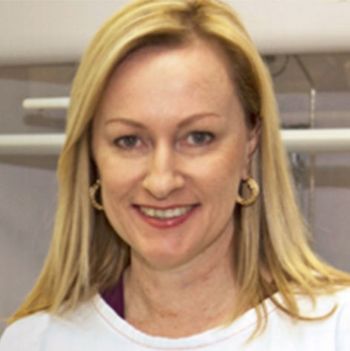
During her ATS interview, Lisa Wood, PhD, spoke about economic and geographic disparities and their connection to diet and related respiratory health outcomes.
This ATS interview features Lisa Wood, PhD, discussing recent findings related to childhood dietary intake and its connection to respiratory health.

Bose explains her research on vaping among millennial adults who may be at peak lung health, describing the diverse landscape of vaping devices and products.

View conference highlights from HCPLive’s coverage of the American Thoracic Society (ATS) International Conference 2025.

In this interview, nerandomilast’s safety profile in idiopathic pulmonary fibrosis (IPF) and progressive pulmonary fibrosis (PPF) is highlighted.

Attaway reviews data demonstrating the potential benefit of a subspecialty clinic for overcoming current diagnostic and treatment-related challenges for sarcopenia in COPD.
This interview highlights phase 3 trial data on nerandomilast’s use in idiopathic pulmonary fibrosis (IPF) and progressive pulmonary fibrosis (PPF).

Prevot describes her research exploring the relationship between OSA severity and abdominal obesity metrics as well as changes in both metrics following CPAP.

These data from ATS 2025 highlight patients’ real-world outcomes related to treatment of their chronic obstructive pulmonary disease (COPD) with dupilumab.

The analysis of pooled data from BOREAS and NOTUS highlight dupilumab’s sustained impact on lung function in patients with COPD and type 2 inflammation.

In this interview, Chalmers highlights the implications of his team’s subgroup analysis findings in the ASPEN trial, as well as unmet needs for non-cystic fibrosis bronchiectasis.
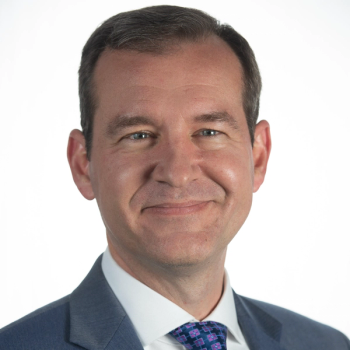
Findings from a post hoc analysis of the phase 3 DIRECTION study highlight tezepelumab’s consistent benefit on asthma exacerbations across trigger categories.

At ATS 2025, these data highlight a potential connection between asthma development and prenatal exposure to microplastics and other forms of pollution.

This interview highlights the subgroup analysis findings of the ASPEN trial, specifically on brensocatib for non-cystic fibrosis bronchiectasis.
This special episode of Lungcast features Harold P. Wimmer, CEO of the ALA, and Francesca Polverino, MD, PhD, an ALA spokesperson.
Gerard Criner, MD, reviews findings from a secondary analysis of the phase 3 MATINEE trial of mepolizumab and looks ahead to the potential significance of the drug, if approved.

In her interview at ATS, Willen further described elements highlighted in her presentation on new treatments for sickle cell disease.
This interview at ATS 2025 features a discussion of a ‘Pediatric Year in Review’ presentation on new therapies for sickle cell disease.

Stoller describes the potential of a novel AI model to help address AATD underrecognition, citing findings from his research on its performance in a Cleveland Clinic cohort.