

Individuals with obstructive sleep apnea were more frequently male, obese, and had more coronary heart disease when compared to those without OSA.
Individuals with obstructive sleep apnea were more frequently male, obese, and had more coronary heart disease when compared to those without OSA.
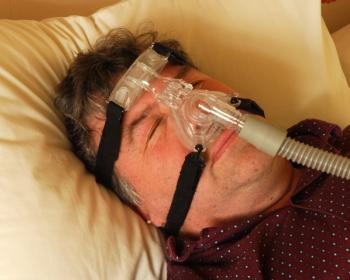
A six-month study shows the common OSA therapy could have long-term benefit for reducing eventual cardiovascular risk.

Treatment drug results in a significant reduction in severe exacerbations for patients with eosinophil ≥150 cells/µL.

An assessment of FF/UMEC/VI in a single inhaler show its benefit in respiratory function among COPD patients at 24 weeks.

A 52-week assessment shows patients of varying interleukin serum levels equally benefitted from the TSLP inhibitor.

New ATS findings show the IL-5 inhibitor has sustained and oftentimes improved benefit in patients from 6 months to 12.
Dr. Ian Pavord discusses new meta-analyses of dupilumab planned for ATS 2020 on the DocTalk podcast.

When compared to placebo, benralizumab results in a significantly improved asthma exacerbation rates.

New research show younger age is associated with a non-response to biologic agents.

While initial double therapy has proven effective in treating pulmonary arterial hypertension, adding selexipag to the treatment regimen of macitentan and tadalafil could be beneficial in this patient population.
Patients with the splice variant were significantly less likely to have raised blood eosinophil counts.

Electronic nicotine device use could lead to a number of respiratory outcomes such as wheezing and dry coughs.

A new study shows consistent confidence and anxiety of self-care with the injectable biologic in patients with asthma.

In a pair of Canadian cohorts, investigators discover asthmatic children are older on the epigenetic clock.

Greater BMI scores are linked to longer ventilator needs and higher risk of acute respiratory distress syndrome.

In a study of 578 infants, investigators discover more female infants suffered from OSA.

An assessment of a combined pharmacologic and cognitive behavioral therapy program shows patients improve FEV1, FVC, and other metrics.

Between 2006-2016, the hospital mortality rates for patients with ILD did not change.

New cohort data comparing the lone regulated IPF therapies show one is associated with reduced mortality—while the other has a better continuation of care.

Overall rates of pulmonary rehabilitation rose in areas with greater program density, but rates for African Americans remained low despite greater program density.

The signs and symptoms of the rare, chronic condition are not consistently detected in the first line of care.

A new study from ATS showed an early symptom of Alzheimer disease is more prevalent in older patients with moderate OSA.

Sepsis patients with an acuity score of 3 received antibiotics half an hour later than patients with the slightly more critical score of 2.

Neighborhoods redlined in the 1930s continue to feel the effects of the racially discriminatory practice, including differences in asthma-related emergency visits.

Sleep apnea is associated with pulmonary, cardiovascular, psychiatric, neurologic, and weight-related effects. Primary care physicians need to monitor sleep health more.

Previous analyses into MultiStem Cell Therapy have shown benefits and safety in stroke patients. What will it take for the therapy to reach a phase 3 trial for ARDS?

Within a week of treatment on the investigative biologic, patients with severe form of the condition were reporting a return of smell and taste.

Though the prostacyclin-targeting therapy selexipag is beneficial for PAH patients, investigators advise treatment to a trio of pathways.

Increased primary care use in a region was associated with reduced rates of ICU admission and mechanical ventilation use.

While 35% of providers say they’re unlikely to allow family to be present during ICU procedures, the 38% who say it’s a regular practice overwhelmingly call it a positive experience.