

The Met-HeFT trial and a companion meta-analysis found metformin did not significantly improve cardiovascular outcomes in patients with HFrEF.
The Met-HeFT trial and a companion meta-analysis found metformin did not significantly improve cardiovascular outcomes in patients with HFrEF.

A roundup of the top cardiology news out of ESC Congress2026 on day 2, spanning primary prevention, novel therapies, and antibiotic stewardship.

New MILOS data show bempedoic acid-based therapy translated to meaningful reductions in predicted 10-year cardiovascular risk.

Anjali Vaidya, MD, breaks down sotatercept's distinct effects on RV afterload, structure, and function in pulmonary arterial hypertension.

The REACT study found silent atherosclerosis in 57.1% of adults without known cardiovascular disease, a burden largely missed by the SCORE2 risk tool.
Steven Nissen, MD, shares key takeaways on AAV8, CTX310, and Kylo-11 gene and molecular therapies presented at ESC Congress 2026.

Despite failing to display a clinically significant reduction in all-cause death or hospitalization for cardiovascular events, the trial did highlight evolocumab’s LDL-C-lowering capacity.
CTX310, a CRISPR-Cas9 therapy targeting ANGPTL3, sustained deep LDL and triglyceride reductions at 1 year after a single infusion, per ESC 2026 data.

Erin Michos, MD, MHS, explains why hypertension risk rises earlier in women and how aldosterone and menopause drive that risk.
Gaetano De Ferrari, MD, breaks down VESALIUS-CV findings on evolocumab and first MI prevention across major infarct subtypes.

The phase 2 TRANQUILITY trial found the IL-6 antibody pacibekitug produced sustained, dose-dependent reductions in hs-CRP in patients with chronic kidney disease.

STAREE findings show atorvastatin reduced major cardiovascular events by 30% in older adults without known cardiovascular disease, but disability-free survival was unchanged.

A roundup of the biggest cardiology news out of ESC Congress on day 1, spanning new guidelines, a phase 3 miss, and 2 practice-informing trial readouts.
An individual participant data meta-analysis found antihypertensive therapy reduced cardiovascular events only in patients with at least 80% medication adherence.

The ESC and ERA issued their first joint guideline recommending universal CKD screening and expanded use of risk-modifying therapies in patients with cardiovascular disease.

The updated ESC guidelines make sweeping changes to HF terminology, eliminating HFmrEF and recategorizing acute HF for patients with slower symptom development.

The ESC, ACC, AHA, and WHF jointly replaced numerical MI typing with primary, secondary, and procedure-related categories, announced at ESC Congress 2026.
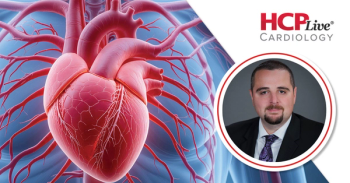
Ahmad Masri, MD, MS, discusses his presentation of the full results of the ACACIA-HCM trial at the ESC Congress 2026.

CARDIO-TTRansform data presented at ESC 2026 showed no significant reduction in cardiovascular mortality or recurrent events with eplontersen versus placebo in ATTR-CM.
Get ahead of the curve with the top 6 trials to watch ahead of ESC 2026.

Semaglutide exhibited a 57% reduction in major adverse cardiovascular events compared to tirzepatide in patients with CVD with no prior history of diabetes.

Despite not lowering cardiovascular death or worsening heart failure, composite data did suggest the efficacy of in-hospital initiation of SGLT2 inhibitors.

A lower incidence of all-cause mortality and hospitalization for worsening heart failure proved digitoxin’s noninferiority in this phase 4 trial.
A recap 8 clinical trials in cardiovascular care to know from the European Society of Cardiology Congress 2025.

Patients with hypercholesterolemia on individualized maximally tolerated dose of statins achieved guideline-recommended LDL-C levels on inclisiran.

Despite an excellent safety and tolerability profile and proven efficacy in treating atrial fibrillation, PFA failed to prove superiority to RA.

Alnylam Pharmaceuticals debuts phase 2 KARDIA-3 data at ESC 2025 and advances zilebesiran into a phase 3 outcomes trial.
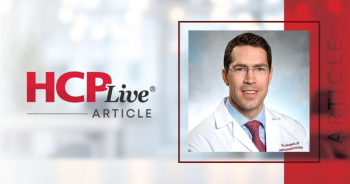
Olezarsen shows promise in significantly lowering triglyceride levels in patients with hypertriglyceridemia.


The investigative aldosterone synthase inhibitor reduced seated systolic blood pressure in patients with uncontrolled or resistant hypertension compared to placebo.