

Investigators did note that belief in statin use was weaker in patients with confirmed statin associated muscle symptoms when compared with non-SAMS patients.
Investigators did note that belief in statin use was weaker in patients with confirmed statin associated muscle symptoms when compared with non-SAMS patients.

New findings suggest the "obesity paradox" may be explained by rates of exercise among women.

Accurately assessing lifetime risk in patients with developing atherosclerosis may help reduce CV disease risk earlier in life.

The CLEAR Harmony open-label extension study reports on the long-term effects of BA treatment for hypercholesterolemia.

The new findings break ground on placebo-controlled assessment of the PCSK9 inhibitor for the pediatric population.

Up to 91% patients who received maximum dosage of the drug achieved a triglyceride level of <150 mg/dL, according to new data presented at ESC 2020.

A look at how asymptomatic AFib is being combatted by consumer devices and embraced, large-scale population research.

New cohort analyses show very few patients with atrial fibrillation exercise regularly or rigorously—which could be a detriment to their mortality risk.

Daniel Gaudet, MD, PhD, discusses what's next in clinical pursuits of the greatly underdiagnosed hereditary cardiovascular disease.

Investigators simulated baseline CV risk and predicted potential risk reduction among a cohort of evolocumab users across Europe.
A podcast interview with the president of American Society of Preventive Cardiology, on the eve of the ESC 2020 Congress.

PCSK9 inhibitor therapy within 24 hours after PCI was shown to bring LDL-C levels down closer to guideline-recommended goals.

At The European Society of Cardiology Congress 2016 (ESC), Ibrahim Danad, MD, VU University Medical Center, Amsterdam, Netherlands, explained the results from his team's PACIFIC trial, which assessed two non-invasive coronary artery imaging tools: positon emission tomography (PET) and single photon emission computed tomography (SPECT).

At the European Society of Cardiology Congress 2016 (ESC) in Rome, Italy, Anselm Gitt, MD discussed the DYSIS program, which was designed to get an idea to see how patients were treated for secondary prevention, focusing on dyslipidemia patients.
Renato Delascio Lopes, MD, Duke University Medical Center, discussed at the European Society of Cardiology Congress 2016 (ESC), the progress of anticoagulant therapies for patients.

Christopher Granger, MD, Duke University Medical Center also spoke at the European Society of Cardiology COngress 2016 about the issues surrounding patients' tolerability of anticoagulants and other drugs.
Statins should not be physicians' first option in treating all patients at high risk of cardiovascular disease, according to new European treatment guidelines.
An international team looked at oral anticoagulants and decided dabigatran is the best for stroke prevention in non-valvular atrial fibrillation.
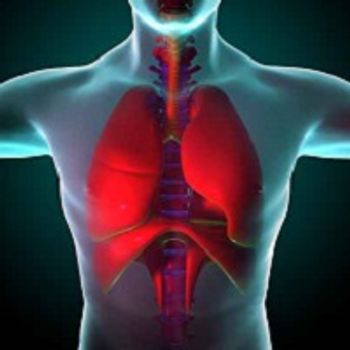
Lung cancer patients who develop sinus tachycardia due to some treatments for their cancer can successfully reduce their heart rates with ivabradine, researchers in Romania report.

Pope Francis plans to appear at the ESC Congress 2016 to endorse the group's healthy lifestyle campaign.

Poushali Mukherjea, PhD, Executive Director, Global Medical Affairs, Bristol-Myers Squibb, noted some key takeaways from her team's 19 abstracts slated to be presented at the European Society of Cardiology Congress 2016 (ESC).
The European Society of Cardiology's annual conference in London highlighted some of the top work being done in the field over the past year.
PCSK9 inhibitors have been the focus of the cardiology community and with the approval of two medications in the past few months these drugs could soon make their way to a large number of patients needing help managing their cholesterol levels using more than just statins.
Congestive heart failure is a serious condition facing people around the world. Early trials of a gene therapy have showed promise to not only help these patients with the condition but also make their hearts healthier.

Just because researchers go into a study with a hypothesis they hope to prove, it does not mean the results will be what they were hoping for.

Several large groups combined data to look at results of a study on heart failure patients to see whether age and gender affected treatment options prescribed by patients.

Treating one patient for an illness can answer some questions for doctors. However, in many cases looking at the larger patient population can answer not only why the patients got sick, but what can be done to keep them healthy in the long run.
In the time since Florence Nightingale first developed the profession of nursing as it is known today a lot has changed for the men and women in the field. Even still the work they do has been a key part of the medical world as training has increased and improved as well.

The glucose-lowering medication lixisenatide was found not neither increase nor decrease cardiovascular (CV) events compared with placebo in patients afflicted with type 2 diabetes and acute coronary syndrome.
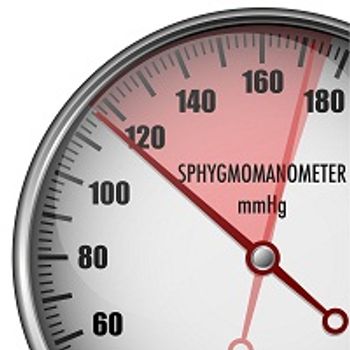
There could be a new first-line treatment for hypertension in patients needing diuretic therapy, according to research presented at the European Society of Cardiology (ESC) Congress conference in London, UK.