

Yehuda Handelsman, MD reflects on the WCIRDC 2024’s comprehensive approach to advancing cardiometabolic care through multidisciplinary collaboration.
Yehuda Handelsman, MD reflects on the WCIRDC 2024’s comprehensive approach to advancing cardiometabolic care through multidisciplinary collaboration.
Yehuda Handelsman, MD highlights insulin resistance’s role in cardiometabolic disease and introduces DCRM 2.0 as a global, multi-specialty care framework.
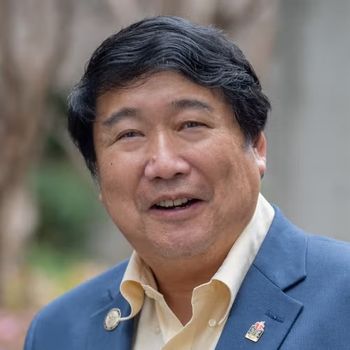
Nathan D. Wong, MPH, PhD discusses the evolution of Lp(a) in risk assessment, given its role as a genetic risk factor for cardiovascular complications.

Laurence Sperling, MD described the evolving role of cardiologists in obesity care, particularly with the increasing adoption of therapies such as GLP-1 agonists.
Laurence Sperling, MD shares insights into a multi-disciplinary approach to the management of obesity from the perspective of a cardiologist.
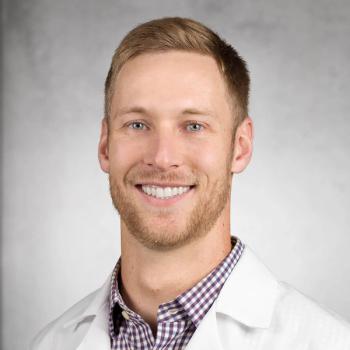
Schafer Boeder, MD describes the potential role and safety of adjunctive therapy, including SGLT2 inhibitors and GLP-1 agonists, for patients with T1D.

Real-world data from 18,710 MASH patients highlight the impact of comorbidities, biomarkers, and region on mortality, with 70% of deaths CVD-related.

Machine learning models improve accuracy in detecting MASH with F2-F3 fibrosis, surpassing noninvasive tests in sensitivity, specificity, and predictive value.

Observational data point to aldosterone dysregulation as an underrecognized risk factor for hypertension and confirm T2D as a known risk factor.

Alice Cheng, MD, discusses the impact of diabetes on cognitive function and the emerging role of diabetic drug classes in dementia care.

Orly Vardeny, PharmD, MS explores the efficacy of nonsteroidal MRAs in heart failure with mildly reduced or preserved ejection fraction in the FINE-ARTS trial.
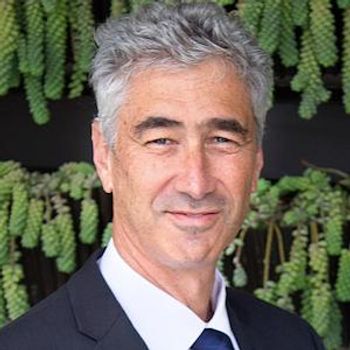
Matthew J. Budoff, MD discusses the effects of obesity and cardiometabolic complications in the contemporary management of type 1 diabetes.

Jennifer B. Green, MD highlights the successful implementation of evidence-based therapies for high-risk patients with type 2 diabetes.

Ralph A. DeFronzo, MD discusses the Noxious Nine and the impact of hypercortisolism on difficult-to-control type 2 diabetes.
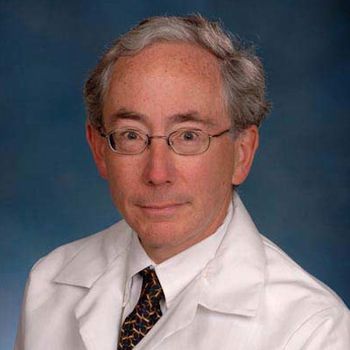
Matthew Weir, MD discusses how a multidisciplinary approach is reshaping CKD management, with a focus on mitigating cardiovascular events.

Erin Michos, MD examines unique HFpEF mechanisms for women and implications for sex-specific treatment.
Patients with hypercortisolism and difficult-to-control type 2 diabetes who received mifepristone exhibited a significant HbA1c improvement in the Phase 4 trial.

Elevated blood insulin levels and insulin resistance each contributed to an elevated risk of colorectal cancer, a new study finds.