

The APSARD study finds that most neuropsychological assessment scores did not differ significantly between both in-person and virtual visit modalities.
The APSARD study finds that most neuropsychological assessment scores did not differ significantly between both in-person and virtual visit modalities.
Methylphenidate has shown promising boosting morning function in pediatric patients with ADHD.
Both monotherapy and combination of the unique regimen was shown to improve manic and depressive status at 12 weeks.
The Child Behavior Checklist may provide invaluable information to clinicians regarding the type and severity of comorbid psychopathologies.
The treatment improves morning function for adolescent ADHD patients.
Dr. David Goodman predicts some patients may improve their organizational skills during the pandemic.
Adults with ADHD may face a number of challenges during the ongoing pandemic.
The virtual conference will feature researchers from the US, Germany, Japan, and more.
Children with sickle cell disease have the opportunity to learn about STEM concepts in the context of their own condition.
A continued conversation on the intricate, patient-centric benefits of care with the subcutaneous agent.
The UCSF hematologist discusses the growing portfolio for the sickle cell therapy after ASH 2020.

New ASH data demonstrates that RUDAS and MoCA scores are associated with highest level of education.
Luspatercept added to best supportive care reduced transfusion burden while TranQol and SF-36 HRQoL scores were maintained through Week 48.

A Phase I study reports on the safety and potential efficacy of lintuzumab Ac225 plus CLAG-M for relapsed/refractory acute myeloid leukemia.

The historic phase 3 HOPE-B trial shows all but 1 treated patient discontinued prophylaxis after a single dose of etranacogene deaparvovec.

The second process of ARU-1801 in a new patient resulted in up to 4 times greater engraftment of transduced hematopoietic stem cells and progenitors at 6 months.
An interview with a Janssen expert on the growing portfolio and newest data for daratumumab.

The sickle cell disease subtype is associated with increased risk among patients as young as 2 years old.
In data presented at ASH 2020, FT-4204 shows early potential in being safe, efficacious treatment for sickle cell disease.

The ongoing phase I study also demonstrates that the drug is associated with an increase in Hb from baseline with a concomitant decrease in hemolytic markers.

Early initiation reduces hospital stays and length of IV opioid use.
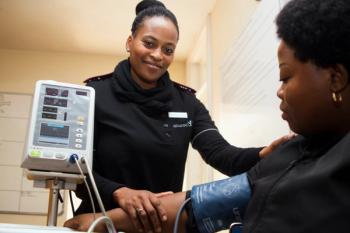
Analyses of vital sign changes from the 6-minute walk test may be indicative of cardiopulmonary function and potential survival among patients with sickle cell disease.

The new findings show worsened outcomes among particular comorbid patient groups, as well as minority patients.
A discussion on what the future of monitoring the rare disease may entail, and how COVID-19 interrupted in-person assessment earlier this year.
The combination therapy was linked to a record phase 3 progression-free survival rate among a subpopulation of patients with the rare cancer.
A discussion with a study author and longtime expert on improving monitoring of the rare disease.
The furthest-progressed gene-edited therapy for a genetic disease reported historic efficacy data in ongoing phase 1/2 trials.

The app improved pain, fatigue, and quality of life in children with the disease.

A study finds that children with cognitive or emotional deficits trended towards an increased healthcare utilization.
Patients with baseline PROMIS-57 scores worse than population norms reported clinically significant improvements in 6 of 8 domains at 12 months post-treatment.