

More than 40% of US AIDS/HIV cases are in San Juan, Puerto Rico, but economic turmoil there is making it hard to fight the epidemic.
More than 40% of US AIDS/HIV cases are in San Juan, Puerto Rico, but economic turmoil there is making it hard to fight the epidemic.

For 30 years, an outreach group in Oakland, CA has been winning the confidence of prostitutes as the first step in helping them be healthy and HIV-free. California Prostitutes Education Project representatives offered tips in a workshop.
At the moment the best way to get a diagnosis of multiple sclerosis is through a brain scan. A team in Tennessee is working to improve that with a blood test that could find the condition sooner allowing for treatment to begin faster.
While neurologists may be able to successfully diagnose progressive multifocal leukoencephalopathy it may take a more specialized health care professional to effectively treat the condition.
It has been a few years now since Tecfidera was approved by the US Food and Drug Administration. In that time there has bee continued research which has shown positive results for patients.

Pain management is everyone's job. It's a human problem.

Oxycodone is one opioid option for patients with chronic pain and other conditions. The drug, however, has not been extensively studied in older patients.

Different types of pain respond to different medications; so a collaborative team across the United States and United Kingdom looked at how the Chronic Pain Questionnaire (CPQ) can assist in making those important treatment decisions.

There’s many benefits to using nitrous oxide for analgesia – which is why it’s a staple for dentists. Dubbed “laughing gas,†the tasteless, colorless gas has proven to be safe and effective for both adults and children.
There is a lot of regulatory scrutiny, media attention, and confusion about managing pain, so patient education should be at the forefront of physicians' minds.
At The European Society of Cardiology Congress 2016 (ESC), Ibrahim Danad, MD, VU University Medical Center, Amsterdam, Netherlands, explained the results from his team's PACIFIC trial, which assessed two non-invasive coronary artery imaging tools: positon emission tomography (PET) and single photon emission computed tomography (SPECT).
At the European Society of Cardiology Congress 2016 (ESC) in Rome, Italy, Anselm Gitt, MD discussed the DYSIS program, which was designed to get an idea to see how patients were treated for secondary prevention, focusing on dyslipidemia patients.
Renato Delascio Lopes, MD, Duke University Medical Center, discussed at the European Society of Cardiology Congress 2016 (ESC), the progress of anticoagulant therapies for patients.
Christopher Granger, MD, Duke University Medical Center also spoke at the European Society of Cardiology COngress 2016 about the issues surrounding patients' tolerability of anticoagulants and other drugs.

Statins should not be physicians' first option in treating all patients at high risk of cardiovascular disease, according to new European treatment guidelines.

An international team looked at oral anticoagulants and decided dabigatran is the best for stroke prevention in non-valvular atrial fibrillation.

Lung cancer patients who develop sinus tachycardia due to some treatments for their cancer can successfully reduce their heart rates with ivabradine, researchers in Romania report.

Pope Francis plans to appear at the ESC Congress 2016 to endorse the group's healthy lifestyle campaign.
Poushali Mukherjea, PhD, Executive Director, Global Medical Affairs, Bristol-Myers Squibb, noted some key takeaways from her team's 19 abstracts slated to be presented at the European Society of Cardiology Congress 2016 (ESC).

While Anti-VEGF medications can be an effective treatment for patients with diabetic macular edema many will not respond to it making steroids the preferred method for care.
While surgeons across the globe have become used to performing procedures with the same equipment as their colleagues there could be some benefit to having tools specifically designed for their individual preferences.
For patients with retinitis pigmentosa the loss of vision can be a difficult consequence of the condition. An implanted device may not give them back the sight they once had but it can provide a chance to see the world around them in a new way.
Doctors treating patients with age-related macular degeneration face a wide range of complications including the potential dosage for anti-VEGF medications. One question is what role these drugs play in macular atrophy.
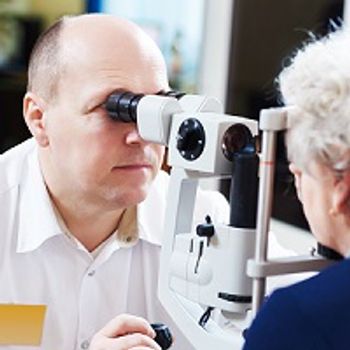
Researchers set out to see how prevalent sleep problems are in people with age-related macular degeneration (AMD) at the 34th Annual Scientific Meeting of the American Society of Retina Specialists (ASRS 2016) in San Francisco, California.
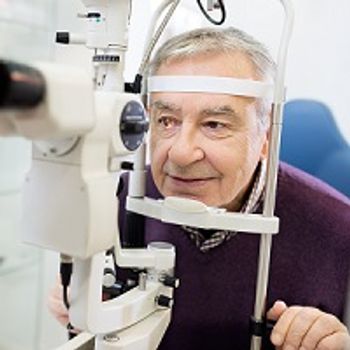
David Eichenbaum, MD, an ophthalmologist from Florida, presented data from the HARBOR study at the 34th Annual Scientific Meeting of the American Society of Retina Specialists (ASRS 2016) in San Francisco, California.
While it is not yet approved for the treatment of patients with type 1 diabetes recent studies on canagliflozin have shown it could be an option for this patient population.
The field of diabetes care is continually moving forward. Even as data was being presented at this year's meeting of the American Diabetes Association the future was at the forefront of many people's minds in an effort to help these patients even more.
There is no question that hunger can affect a person's life, a recent study looked at the scientific aspect of this discussion and what doctors can do to help patients with this challenge.
The obesity epidemic continues to grow in this country leaving the medical community to find new ways to help this patient population.

A fair amount of women who are diagnosed with gestational diabetes take active measures to lose weight – but what clinical outcomes does that have?