
Bowlus explains clinical outcomes associated with PBC and the importance of assessing liver stiffness over time, highlighting data on seladelpar from AASLD.
Bowlus explains clinical outcomes associated with PBC and the importance of assessing liver stiffness over time, highlighting data on seladelpar from AASLD.
AASLD-presented data show HCCs persist after weight or diabetes control, with a new target of fibrotic immune phenotype to prevent MASH-related complications.
The SGLT2 inhibitor also displayed its efficacy in reducing left ventricular myocardial fibrosis and volume, as well as improving diastolic filling dynamics.

At ACAAI 2025, Golden discussed how mild local reactions and expected systemic effects support the sublingual film’s strong safety profile in children.
McLaughlin discussed the previous ZENITH, PULSAR, and STELLAR trials, and how this pooled cohort analysis emphasizes sotatercept’s impressive efficacy.
This interview features Nguyen discussing his SDPA talk titled ‘The Itch Within: Immune Pathways Driving Chronic Spontaneous Urticaria.’
The analysis of data from a single-source rare disease specialty pharmacy sheds light on high treatment adherence and low discontinuation of Cuvrior.
Acute kidney injury mortality rises in wealthier nations, highlighting urgent need for targeted prevention strategies.
Clark reviews findings from a 3-year longitudinal study comparing VCTE to liver biopsy for staging F2/F3 fibrosis in patients with AATD liver disease.
Children achieved therapeutic epinephrine levels within 2 minutes on AQST-109 (Anaphylm), showing an early cardiovascular response similar to adults.
AASLD 2025 data show mazdutide significantly reduces liver fat, ALT, AST, and insulin resistance in patients with obesity, and MASLD
Data from the DECAF study suggests caffeine may have a slightly beneficial effect on AF recurrence, although investigators urge caution in interpretation.
Findings showed elafibranor led to expression changes of proteins linked to fatigue or mitochondrial function, significantly correlated with each other and with fatigue improvement.
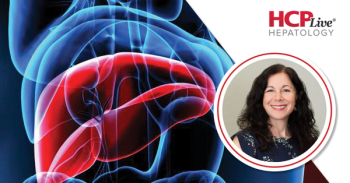
Data presented at AASLD 2025 hepatitis delta patients experience significant physical and emotional challenges, emphasizing the need for holistic care approaches and screening beyond risk-based recommendations.

Navar discusses the groundbreaking results of this phase 3 trial, as well as the implications of an oral PCSK9 inhibitor for treatment adherence and persistence.

At ACAAI 2025, Gross outlined new food allergy ICD-10 codes, clarified documentation rules, and shared tips to help allergists prevent claim denials.
In this segment of his interview, Abbas highlights when to refer a patient for systemic macrocytosis to a hematology or mast cell disease specialist.
Bowlus explains seladelpar’s role in PBC care, including for patients transitioning from obeticholic acid, based on real-world data.
REGN7508 and REGN9933 displayed their efficacy in preventing deep venous thromboembolism in patients undergoing knee replacement surgery in 2 phase 2 clinical trials.

HCPLive spoke with Al Ali at ACAAI 2025 about a study comparing the safety of protocols for milk and peanut allergens.
Katzenstein reviews noninvasive tests used for MASH and explains her research on the ELF test’s real-world potential for predicting liver stiffness.
This interview was on-site at SDPA, featuring a discussion of the tools needed to identify systemic macrocytosis.
Sibeprenlimab shows promising results in reducing proteinuria and improving kidney health in IgA nephropathy.
A recent study reveals that younger patients with glomerular disease face a higher lifetime risk of kidney failure despite similar progression rates.
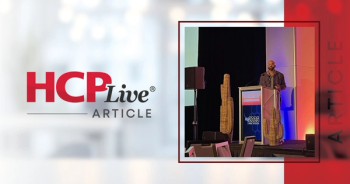
In a session presented at the SDPA Fall Conference, Karan Lal, DO, spoke on the topic of GLP-1 agonist drugs for weight loss and their connection to dermatology.
Hirschfield describes the burden of pruritus in PBC and reviews late-breaking ASSURE data on seladelpar’s long-term impact on itch presented at AASLD The Liver Meeting.
New global data show limited progress toward WHO’s 2030 hepatitis C elimination goals, highlighting disparities in diagnosis and treatment access.
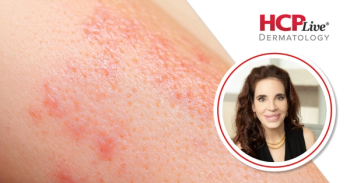
This Q&A interview with Trickett highlights various topics, including collaboration between PAs and physicians, pipeline news, and topical steroid withdrawal (TSW).
This first-in-human phase 1 trial resulted in a groundbreaking reduction in both LDL cholesterol and triglycerides for the first time in history.
The investigative RNA-targeted antisense oligonucleotide achieved a reduction in fasting triglyceride of >72% in 6 months and sustained it through 12.