
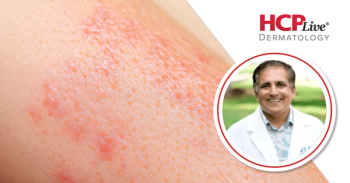
This interview highlights key points regarding new data on roflumilast cream 0.05% in children aged 2 to 5 years with atopic dermatitis.
This interview highlights key points regarding new data on roflumilast cream 0.05% in children aged 2 to 5 years with atopic dermatitis.

Phase 3 FIND-CKD shows finerenone slows non-diabetic CKD decline by improving eGFR slope; Bayer prepares FDA filing for expanded use.

Lebrikizumab posts strong Phase 3 gains in infants to teens with atopic dermatitis, supporting FDA label expansion and itch relief.

An audio recap of the top 5 stories in healthcare news from the week of 03/02-03/08.

Nicole Negbenebor, MD, discusses how writing and collaboration help advance dermatologic research and patient advocacy.

At AAAAI 2026, Anna Nowak-Wegrzyn, MD, discussed the use of ondansetron, home management strategies, and guidance on the gradual reintroduction of foods in FPIES.

Stay updated with the latest healthcare breakthroughs, including FDA actions and new trial data, in this week’s essential news roundup.


Research presented at AAAAI 2026 found that 88% of participants preferred intranasal epinephrine over injectables.

This FDA approval of secukinumab (Cosentyx) for hidradenitis suppurativa (HS) represents the fourth pediatric indication for the drug.

In this feature, 3 experts discuss the expansion of telehealth and telemedicine use, including their positive and negative aspects in dermatology today.

New biologics transform severe asthma and COPD, yet prednisone overuse persists—see practical selection tips and outpatient steroid stewardship gaps.

With new therapies emerging for hepatitis D, Kushner discusses brelovitug’s potential and what will be learned from the phase 3 AZURE program.

New CKD therapies and a cardiometabolic care model are reshaping kidney disease management.

Lala discusses ongoing challenges in the HF treatment cascade, highlighting widespread misunderstandings among patients and the issue of extreme pill burden.

This March episode of The Medical Sisterhood, in honor of Women's History Month, covers building influence in the dermatology field as a woman physician.
Bialo discusses her perspective on the importance of T1D screening and its capacity to reduce the risk of disease progression and eventual complications later in life.

Data presented at AAAAI 2026 showed that adding dupilumab to omalizumab-facilitated oral immunotherapy improved desensitization and reduced gastrointestinal adverse events.
Experts discuss gaps in CKD detection, the role of albuminuria testing, and the need for earlier, risk-based care to improve outcomes.

7 experts come together to address neighborhood disadvantage and its impact on kidney health in the latest Crisis Point.

Wood discussed the potential of BTK inhibition for peanut allergy and beyond.
Kushner discusses the global burden of hepatitis D, gaps in testing, and emerging therapies reshaping the treatment landscape.
At AAAAI 2026, Lebwohl discussed REMIX trial data showing oral remibrutinib reduced CSU symptoms within 12 hours and improved disease control.

Tozzi and Wallach discuss ways to omit artificial sweeteners and added sugars from children’s diets and minimize risk for T2D and MASLD later in life.

In Medical Ethics Unpacked, hosts and guest Rose Onyeali, MD, discuss how solitary confinement in prisons may accelerate physical decline and worsen cognitive health.

Experts weigh new biologics including dupilumab, tezepelumab, and depemokimab, and how eosinophils guide real-world prescribing.
In this segment of the latest Skin of Color Savvy podcast, Nicole Negbenebor, MD, highlights her experiences as director of a Skin of Color Clinic.

This HCPLive Five captures 5 interviews conducted on-site at AAAAI 2026.
Lala discusses the ethical, medical, and practical concerns surrounding xenotransplantation of pig hearts – and how they should be addressed in clinical research.
This segment of Bhatia's interview highlights imsidolimab's reported durability of response for those with generalized pustular psoriasis (GPP).