
A post hoc analysis of the PLIS study has highlighted the comparative effectiveness of glucose levels in achieving prediabetes remission.
A post hoc analysis of the PLIS study has highlighted the comparative effectiveness of glucose levels in achieving prediabetes remission.
Real-world data suggest adding fibrates to first-line UDCA incurs several clinical benefits, including reductions in spontaneous bacterial peritonitis and hospitalizations.
FDA approves Omvoh (mirikizumab-mrkz) for monthly maintenance of ulcerative colitis, simplifying treatment for patients with this chronic condition.
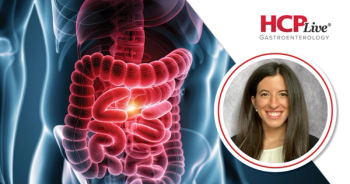
Markley describes the importance of monitoring bone health in patients with IBD and celiac disease and explains her research showing low screening rates.

Physicians experience significant challenges with increasing administrative burdens impacting patient care. Study shows AI scribes can help reduce burnout.
In this interview at Fall Clinical, Song highlights takeaways from his portion of the session ‘30 Tips in 30 Minutes.’
Despite bearing a greater obesity burden, Black, Hispanic, and American Indian/Native individuals are underrepresented in GLP-1 RA RCTs for weight loss.

Patients experienced significantly fewer thromboembolic complications when treated with ICE, indicating its comparatively noninferior safety and efficacy.
The phase 3 ZENITH trial showed sotatercept’s superiority over placebo in reducing morbidity and mortality outcomes in adults with WHO FC III or IV PAH.
Song interviewed with the team regarding his session, discussing recent data on IL-23 inhibition in patients with psoriasis.
Rogers discusses the evolving definition of clinical remission in asthma and why clinicians must set higher treatment goals.
Alexis spoke in this segment of his Fall Clinical interview on takeaways from his presentation titled ‘Melasma and Other Hyperpigmentation Disorders.’
In this Fall Clinical interview, Alexis highlights several tips for clinicians covered in his session at the conference titled ‘30 Tips in 30 Minutes.’
This interview with Prince Adotama, MD, at Fall Clinical highlights several takeaways from his session on treating bullous pemphigoid.
In this segment of her Fall Clinical interview, Shahriari highlights a session IL-13 inhibition and management of atopic dermatitis.
This interview at Fall Clinical highlights a session on clinical pearls related to diagnosing prurigo nodularis in patients with skin of color.
Pooled results from two Phase 3 trials show DFD-29 achieved a 62.7% IGA success rate and significantly greater lesion reduction than both doxycycline and placebo.
Although no direct correlation can be drawn, these findings suggest a possible ocular benefit from GLP-1 RAs compared to other weight loss drugs.
These recent findings on roflumilast cream (Zoryve) highlight the topical agent’s efficacy and impacts on quality of life in younger patients with atopic dermatitis.
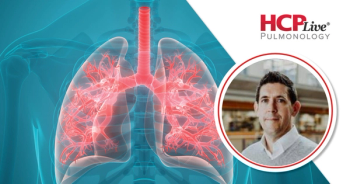
At Week 52, icotrokinra achieved clear/almost clear skin in 72% of patients with scalp psoriasis and 85% with genital psoriasis, with consistent safety and durable responses.
Advanced CKD shows higher rates of certain ERCP complications but not post-ERCP pancreatitis compared with the general population.
A real-world study found that using baked goods with sesame paste was safer than raw sesame seeds for oral immunotherapy.
Findings from a prespecified analysis of the phase 3 MAESTRO-NASH trial highlight resmetirom’s consistent benefit with background SGLT2i or GLP-1 RA treatment.
Once-daily oral baricitinib was shown to result in meaningful hair regrowth after 1 year in adolescent patients with alopecia areata.

Risks of myocardial infarction, stroke, heart failure, and other debilitating cardiovascular diseases may be directly influenced by adolescent sugar intake.
Lilly's lebrikizumab-lbkz treatment, used once every 8 weeks, resulted in durable disease control in moderate-to-severe atopic dermatitis.
Perceived behavioral control emerged as a predictor of immunosuppression adherence after kidney transplantation, pointing to practical intervention targets.
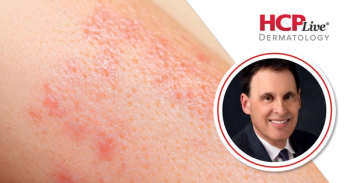
This interview highlights the takeaways from Nestor’s Fall Clinical session titled ‘What Did 2025 Bring to the Table in Dermatology?’
Roger discusses how new therapies are transforming asthma treatment, enabling potential clinical remission.