
The Q3 recap for ophthalmology spotlights major FDA decisions and major clinical trial updates in a variety of diseases.
The Q3 recap for ophthalmology spotlights major FDA decisions and major clinical trial updates in a variety of diseases.
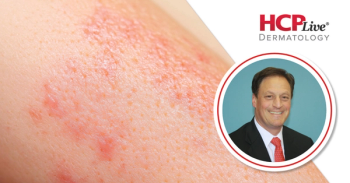
This interview follows the FDA’s recent approval of Arcutis's roflumilast (Zoryve) cream 0.05% for patients aged 2-5 years with atopic dermatitis.

Donidalorsen demonstrates strong efficacy in patients switching from other HAE prophylactic treatments. Lumry discusses pivotal data after FDA approval.
The Q3 recap for endocrinology spotlights major FDA decisions, new guidelines for managing diabetes during pregnancy, and major clinical trial updates.

The new therapy, marketed as Jascayd, previously demonstrated safety and efficacy in the phase 3 FIBRONEER-IPF trial.

In this analysis, investigators highlight the impact of the route of MTX administration on drug survival among patients with psoriasis.
Lumry discuses donidalorsen, the first FDA-approved, RNA-targeted therapy for hereditary angioedema.

LUCENT-3 open-label extension study data establish mirikizumab-mrkz (Omvoh) as the first and only IL-23p19 to show sustained long-term outcomes in UC through 4 years.

The Q3 recap for cardiology spotlights major FDA decisions, new heart failure and hypertension guidelines, and top trial results and research.

High intake of both sugar-sweetened beverages and low- or non-sugar-sweetened beverages was linked to greater MASLD risk.

Bhatt discussed the latest data from a post-hoc analysis of the BOREAS and NOTUS trials.

The investigative therapy for treatment-resistant hypertension resulted in a substantial reduction in ambulatory 24-hour average systolic blood pressure versus placebo.

These data highlight secukinumab’s potential as a treatment to provide enhanced psychological outcomes among those with psoriasis.
Catch up on FDA decisions, critical trial results, and expert perspectives on endocrinology.

INO-3107 immunotherapy significantly reduces surgeries for recurrent respiratory papillomatosis.

These new, phase 2 findings on the use of topical bimiralisib suggest positive results among patients with actinic keratosis.
The Q3 recap for gastroenterology spotlights key FDA decisions, new AGA gastroparesis guidelines, and other top GI news and research.

Read about groundbreaking FDA decisions, exciting new heart failure research, and more.

This review explores the safety of oral JAK inhibitors in inflammatory skin conditions, with 43 real-world studies being highlighted.

The approval is supported by data from the INTEGUMENT-PED phase 3 trial, the INTEGUMENT-OLE long-term extension study, and a phase 1 pharmacokinetic study.
The Q3 recap for hepatology spotlights key FDA news, the withdrawal of OCA for PBC, and notable hepatic research from the past few months.

An audio recap of the top 5 stories in healthcare news from the week of 9/28-10/04.
Lifelong reliance on insulin, constant glucose monitoring, and management of hypo- and hyperglycemia require substantial lifestyle changes.
This study highlighted tildrakizumab’s use in daily practice within a heterogeneous cohort of patients with psoriasis commonly affected by comorbid conditions.

Therapist Diana Guzman, LMHC, writes about attempting suicide despite counseling patients battling with suicidal ideation.

Recent research refutes the conception that most, if not all, coronary heart disease occurs without typical CVD risk factors.

New research reveals GLP-1 receptor agonists may protect the liver from alcohol damage while increasing blood alcohol levels, prompting further human studies.

Q3 2025 saw more research emerge in asthma therapeutics and management as well as rarer pulmonary diseases.

Yale researchers reveal how essential coenzyme A is imported into mitochondria, shedding light on its role in metabolic diseases and potential treatments.

This analysis assesses the positive predictive value of the ICD-10 code for vitiligo commonly used in electronic medical record-based research.