

In a new study, esketamine nasal spray improved anhedonia in treatment-resistant unipolar and bipolar depression, independent of general symptom changes.
In a new study, esketamine nasal spray improved anhedonia in treatment-resistant unipolar and bipolar depression, independent of general symptom changes.
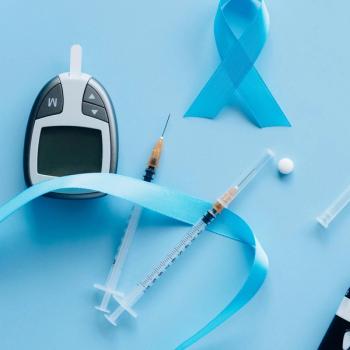
Investigators have cited population growth and epidemiological improvements as leading causes for the significant jump in cases.
Best discussed the landmark approval for zopapogene imadenovec for recurrent respiratory papillomatosis.

This study highlights an approach to male pattern baldness using a topical dimethylglycine sodium salt (DMG-Na) and caffeine-containing shampoo.
Pergola describes the shortcomings of current phosphate binders and what benefits OLC may offer for hyperphosphatemia in patients with CKD on dialysis.

Four allergens not on the FDA or EFSA food allergy list show high frequency in a recent study. Anaphylaxis induced by goat or sheep milk led to 2 deaths.
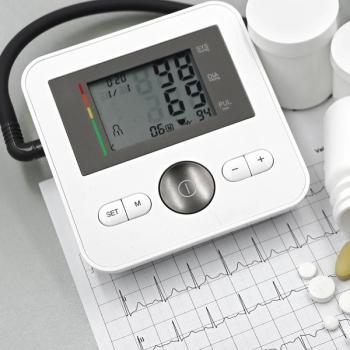
Preliminary findings have also indicated an association between an evolocumab add-on to statin therapy and stenosis degree reduction.

The FDA has approved Ionis Pharmaceuticals' donidalorsen to prevent HAE attacks in adults and children over 12 years.

With positive topline phase 2 results, parent company Crinetics Pharmaceuticals, Inc., has announced plans to begin phase 3 testing in the second half of 2025.

Targeted C.difficile screening and prophylaxis focused on high-risk immunocompromised patients was linked to reductions in hospital-onset infection.

This cohort study suggests that patients with HS treated with adalimumab have an increased risk of infection compared to those with psoriasis.

A recent study shows combined treatment increases total and N3 sleep in just 3 days for patients with comorbid insomnia and depression.

According to investigators, individuals with 3 or more risk factors for metabolic syndrome have a 40% greater risk of developing Parkinson’s.

Laura Ferris, MD, PhD, reflects on her unexpected path to department chair as well as the lessons of her journey as a leader in academic medicine.

A discrete choice experiment revealed food allergy treatment preferences among adolescents, with efficacy ranking as the most important attribute.

Hosts Nancy Reau and Kimberly Brown are joined by Mary Rinella to discuss the evolving MASH treatment landscape with GLP-1s and FGF21s in development.

A series of phase 2/3 trials collectively indicate the overall lipid-lowering effects of obicetrapib in a 5 mg dose, a 10 mg dose, and 10 mg with ezetimibe.

A study reveals that upadacitinib dose adjustments in atopic dermatitis enhance treatment personalization.

Single-dose psychedelic therapy (RE104 30 mg) shows rapid improvements in postpartum depression, offering a potential alternative to slow-acting therapies.
This episode focuses on latest advancements in CGM and diabetes management from the ADCES 2025 annual meeting.

New research shines a light on the liver’s role in cardiovascular disease prevention, indicating a potential new predictor for coronary heart disease.

In this analysis, investigators looked into age-stratified impacts of rivaroxaban as a monotherapy versus the impacts of rivaroxaban plus antiplatelet agent combination treatment.

Finerenone reduced diuretic needs while improving outcomes across various diuretic therapies.

Healthcare costs and resource utilization were significantly greater in individuals with ASCVD and CKD with systemic inflammation versus those without.

A review estimated that eliminating cerebrovascular disease could have prevented 1.5 to 1.8 million US dementia cases in 2020.

Semaglutide 2.4 mg use was linked to lower medical costs and inpatient resource utilization among patients with overweight or obesity and heart failure.

A recent study from Korea has drawn connections between sleep duration and regularity and major adverse cardiovascular events.

Survey reveals persistent misconceptions about blood pressure thresholds, symptoms, and management, with most patients willing to act on clinician advice.

This study suggests a causative role of left bundle branch block (LBBB) in patients’ progression to heart failure.