

FDA approves aceclidine ophthalmic solution 1.44%, revolutionizing presbyopia treatment for millions with a once-daily eye drop.
FDA approves aceclidine ophthalmic solution 1.44%, revolutionizing presbyopia treatment for millions with a once-daily eye drop.
The new requirements follow a May Advisory Committee meeting that went over the latest long-term data on opioid risks.
Inclisiran can now be used alone, without addition of statin therapy, as adjunct to diet and exercise for LDL-C reduction in hypercholesterolemia.

These data were presented at DERM 2025, highlighting recent findings on the impact of tralokinumab on atopic dermatitis.

Results from an extension study of the PHOTON trial indicate longer-lasting visual and anatomic improvements in patients receiving aflibercept 8mg versus 2mg.

A recent analysis of data from the phase 3 YOSEMITE/RHINE trials has indicated a greater reduction in hard exudates using faricimab versus aflibercept.

An online course, AllergyAware, significantly improved school personnel’s ability to recognize and manage anaphylaxis.
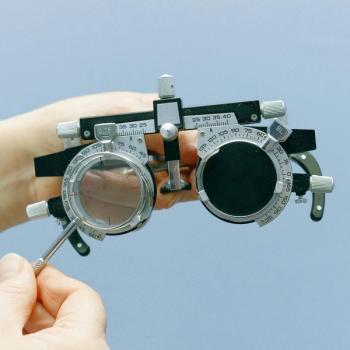
In a trial studying faricimab’s efficacy in Black, Hispanic/Latino, and Native American patients with DME, investigators found results consistent with the YOSEMITE/RHINE trials.

Findings confirm a significant post-pandemic rise in disorders of gut-brain interaction, including IBS and functional dyspepsia.

These pooled THRIVE-AA1 and THRIVE-AA2 study data highlight improvements in mental health among patients with alopecia given deuruxolitinib.

Tirzepatide was non-inferior to dulaglutide with an 8% lower rate of MACE-3 events while delivering greater reductions in A1C and weight.

During this DERM 2025 interview segment, Martinez-Dulay touches on highlights from her sessions in which she explores allergic contact dermatitis.
In this video, the last in a 6-part series, panelists discuss the potential future impact of biologics in the COPD field.
In this video, the fifth in a 6-part series, panelists discuss the factors that influence initiating biologics for COPD.
In this video, the fourth in a 6-part series, panelists discuss how future studies of monoclonal antibodies in COPD could be refined.
In this video, the third in a 6-part series, panelists discuss how learnings from asthma management are informing COPD management.
In this video, the second in a 6-part series, panelists discuss using monoclonal antibodies in early-line COPD treatment.
In this video, the first in a 6-part series, panelists discuss the impact of monoclonal antibodies for COPD management.

A new study found patients with HS are significantly more likely to develop new-onset depression and anxiety, regardless of disease severity.

This session was titled ‘The Hidden Undercurrent: When Hair Loss Isn’t Alopecia Areata’ and was presented at the DERM 2025 conference by April Armstrong, MD, MPH.

Topline results from the first of 2 studies in the UP-AA program show upadacitinib 15 mg and 30 mg met the primary endpoint for scalp hair coverage.
In her DERM 2025 conference interview, Martinez-Dulay highlights takeaways from her sessions on atopic dermatitis, prurigo nodularis, and lymphoma.

A randomized trial found pharmacist-led counseling improved allergic rhinitis symptom control but did not enhance adherence, knowledge, or quality of life.

Findings suggest 7000 steps per day is associated with a reduced risk of health outcomes including mortality, cardiovascular disease, and type 2 diabetes.

New data revealed that sleep impairment, especially daytime dysfunction, short duration, and sleep disturbances, is linked to increased diabetes distress.

Study findings suggest significant sex disparities in liver complication risk among adult patients with cirrhosis, especially in the context of nonviral cirrhosis.

Bercik reviews study findings suggesting gluten restriction is not necessary for most patients with IBS, citing its apparent lack of impact on symptoms.

Cotter highlights his DERM 2025 conference presentation on navigating the diagnosis of melanoma and gene expression profiling of skin cancer.

Phase 4 trial shows esketamine provides significant symptom relief in patients with treatment-resistant depression within 24 hours of the first dose.

Experts discuss the evolving management of asthma and COPD.