
Acknowledging the potential medical harm from errors and bias, investigators believe clinical AI needs to be held to a higher standard.
Acknowledging the potential medical harm from errors and bias, investigators believe clinical AI needs to be held to a higher standard.

The approval is based on 24- and 80-week findings showing significant benefit in LDL-C reduction with the subcutaneous injection drug.
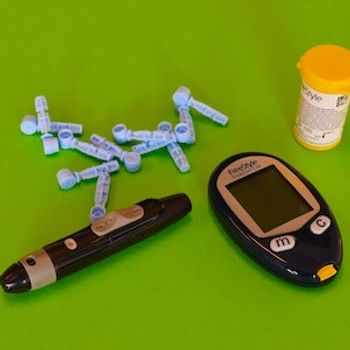
Sotagliflozin reduced HbA1c by 0.42% and heart failure by 32% in comparison to placebo.
Dr. Castro considers it to be a fruitful and exciting time in the study of asthma-modifying therapy, with some biologic therapies achieving control in patients with severe asthma.

RT001 and RT176 were the most prevalent C difficile ribotypes found from C difficile isolates using PCR testing.

Hazard ratios for CHD included 1.57 for cumulative LDL-C level, 1.69 for TWA LDL-C level, and 0.88 for LDL-C slope.

Investigators believe these findings can help identify high-risk groups and prevent exacerbations through tailored treatments.

Patients with pediatric solid tumors and hematological malignancies were more prone to C difficile infections.

Episode 2 of HCPLive Crisis Point tackles the clinical aspects and potential burdens clinicians face in the pursuit of obesity care.
Dr. Castro talks of the available biologic therapies that can be used to treat asthma and other respiratory disorders.

Investigators found that exposure to surgical smoke and disinfectants over a long period of time led to increased risk of COPD in US female nurses.

Baseline VA show slight improvement in aflibercept versus ranibizumab treated eyes, (42.5 letters versus 36.9 letters).

Two study authors speak on providing pediatric patients of color with atopic diseases with greater access to care.
Dr. Yamalis Diaz said ADHD is often under-diagnosed.

Investigators added that the meaning of each laboratory marker is dependent on the drug that is being used for treatment.

The drug is approved for adults and pediatric patients 12 years and older after the failure of 1 or 2 lines of systemic therapy.

New study finds that telehealth is a viable option for treating sickle cell anemia patients in rural populations.
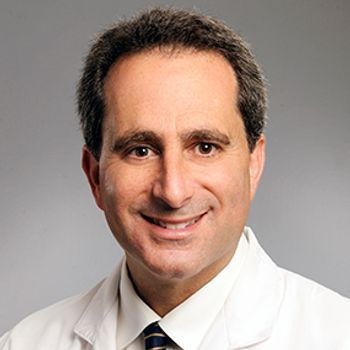
In his recent presentation, Dr. Sperling spoke of how a greater focus needed to be made on the implementation of cardiovascular care strategies, as well as better utilization of health system approaches.

The risk of TB was 48% higher in patients with diabetes compared to those without diabetes, while participants with IFG showed no increased risk of TB incidence.
Dr. Castro defines type 2 inflammation and the complications surrounding severe asthma, as well as several biomarkers including IgE levels, blood eosinophils, and exhaled nitric oxide.
The approval follows recent phase 3 trial data showing significant improvement in patient-reported outcomes for the treatment of atopic dermatitis.

There was also a reduction of ASD diagnoses.

No significant difference in mortality or stroke at 30 days or 1 year was seen in patients who underwent TAVR for bicuspid or tricuspid aortic stenosis.

The treatment was approved for adult patients with plaque psoriasis in 2018.

The accuracy of transient elastography following a sustained virologic response was considered poor.
Manesh Patel, MD, kicks off his first podcast by discussing HFpEF findings in EMPEROR-Preserved, the GUIDE-HF trial and more with his Duke colleague.

FMT treatment was less effective for primary C difficile infections.
The regulatory setback is regarding a manufacturing facility concern not associated with the investigative drug, according to the company.

Students who received eyeglasses through a school-based vision program achieved better reading scores, but sustained impact not observed after 2 years.

Incidence of myopia was 7.9% higher in the exposure group, compared to the non-exposure group from grade 2 to grade 3.