
Few studies have used semiobjective tests to assess olfactory dysfunction and its association with COVID-19.
Few studies have used semiobjective tests to assess olfactory dysfunction and its association with COVID-19.
In nearly 1.9 million doses of the COVID-19 vaccine there has been only 21 total cases of anaphylaxis.

A seven-question quiz comparing the respiratory viruses. Can you pass it?

New phase 3 data show the IL-23 inhibitor is associated with clinical remission and endoscopic response.

Anastomotic leak can increase morbidity, mortality, and length and cost of hospital stays.

A lipidologist from Connecticut describes his experience during the COVID-19 pandemic and explains why he sees getting the vaccine as his "biggest contribution" to healthcare during the pandemic.

Minimal fat infiltration was observed on MR images from the SRP-9001 arm compared to participants from the natural history cohort.

The US Assistant Secretary for Health offers perspective on this past year in sickle cell care and the potential for its future.

Further investigation needs to be done to determine whether this increase is due to the effects of lockdowns or the virus itself.

There are currently 14 states with laws either encouraging or requiring influenza vaccination for hospital workers.

When compared to standard care, a new CBT method results in a greater drop in SDQ Impact scores.
Peter Lio, MD, discusses conventional therapeutic options for pruritus.
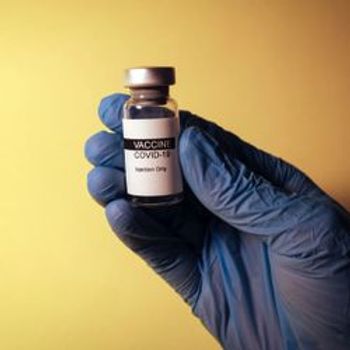
The US currently leads all countries in total vaccine administrations as of the first week of 2021.

The burden of cardiovascular disease is particularly high in African Americans, a population that typically faces health disparities.
ADM Giroir, MD, discusses additional examples of efforts to optimize sickle cell care.

Patients who continue RAS therapy had a lower risk of kidney replacement therapy.
The US Assistant Secretary for Health provides a top-down, government-level perspective on how sickle cell care has advanced in recent years.

The SGLT2 inhibitor demonstrated possible erythropoietic effects in type 2 diabetes patients.

The mortality rate was higher in ASD patients with SUD than it was for a control group not suffering from ASD.

Investigators believe using a computational system could allow clinicians to have a better read on which treatments could be effective in adolescents with ADHD.
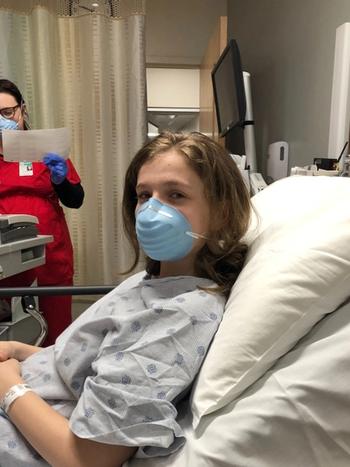
The global health agency provided current insights and advisories into 4 different variants recently identified during the ongoing pandemic.

There is not currently an FDA approved treatment for NASH.

Investigators compared the 2010 and 2017 IDSA and SHEA guidelines to identify which better predicted C diff patients’ severity and mortality.
To combat the deadliest cancer in the world, investigators are learning its origin in at-risk patients to prevent it altogether.

Elevated cardiac troponins during hospitalization for influenza is associated with heightened risk of mortality after hospital discharge.
The past few years have seen emerging therapies, but the tragedies of 2020 have only amplified the healthcare inequalities associated with sickle cell care.

The first approved generic product for injection glucagon is also indicated for diagnostic use, when appropriate.

Influenza vaccination not only protects against the flu, but could lessen the severity of COVID-19.

The new federal asthma management guidelines mark the first update of the guidance since 2007.

Many patients with paradoxical vocal fold motion disorder are misdiagnosed, and instead believe they are dealing with asthma. But in many cases, their symptoms do not respond to therapies.