

The co-lead investigators discuss the upcoming first study to assess long-term outcomes on MIS-C patients.
The co-lead investigators discuss the upcoming first study to assess long-term outcomes on MIS-C patients.

In results from a phase 2 trial show 7.5gm of DAV132 administered three times daily demonstrated protection against antibiotic-induced disruption of intestinal microbiota.
This approval was granted to generic pharmaceutical company Akorn Operating Company, LLC.

Patients with 3 or more C diff recurrences also had the highest health care resources utilization and total, all-cause, direct medical costs.

Surgeons recommend measures to reduce complications from cholecystectomy and splenectomy in patients with sickle cell disease.
Linaclotide has been marketed as LINZESS to treat irritable bowel syndrome with constipation.

Infants managed using real-time CGM spent longer time in the glucose concentration target range than those receiving standard of care.
Two pediatric cardiologists offer perspective on how to approach conversations about MIS-C with parents or guardians.
The approval is indicated for children ≥5 years old who inadequately respond to or are intolerant of anticholinergic medication.

Tubeless subcutaneous insulin injection devices are easier to use, but new data suggest they can also improve A1C outcomes.
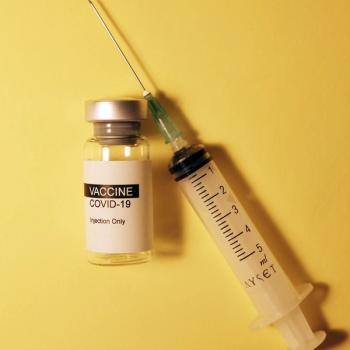
An expert weighs in on the strengths, makeup, and timeframe of current and upcoming vaccine options.

A meta-analysis review suggests intradermal flu vaccines at lower doses could provide as much immunogenicity as standard intramuscular doses.

FLT201 is a combination of AAVS3 capsid and a liver-specific promotor to drive the expression of GCasevar85.

Researchers found a significant association between polygenic risk scores for ADHD and reaction time variability, but not commission errors.

New data shows that a restrictive blood transfusion strategy resulted in a noninferior rate of major adverse cardiovascular events compared with a more liberal strategy.

Crohn’s disease patients and ulcerative colitis patients showed changes in energetic metabolism in plasma and biopsy samples compared to a control group.
Dongngan Truong, MD, and Jane Newburger, MD, discuss the current clinical understanding of MIS-C.

New WORLDSymposium findings show a treated patient had 100% reduction in the accumulating fatty substrate associated with the burdensome rare disease after 1 year.

The US leads the world with 41 million doses administered.

A cohort assessment shows a 57% increased risk of pediatric asthma development among children given PPIs to treat gastrointestinal tract disorders.

More than 25% of adults in the US older than 65 have diabetes.
Recent clinical trials have shown positive topline results for SPN-812.

The excessive prescribing of opioids post-surgery increases risk of patient morbidity.

A conversation around how burnout, COVID-19, politicization, and career progression programs influence the state of the largest US healthcare team.

Two studies demonstrated that the IL-17A and IL-17F inhibitor can lead to superior levels of skin of clearance in adult patients compared with ustekinumab or placebo. .
It is the first device designed to be used during a wakeful state.

The 1 patient who did not received immunomodulatory agents demonstrated the highest level of FVIII activity.

The Cassava Sciences agent showed 6-month improvements in both ADAS-Cog and NPI scores, and a phase 3 trial is expected to begin in late 2021.

The adverse effects of corticosteroids have underscored a need to eliminate the drug from treatment regimens.

Two experts offer perspectives on the importance and state of cardiovascular health in women.