
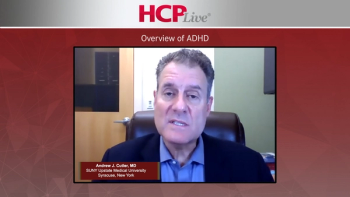
Andrew J. Cutler, MD, provides an overview of the different presentations of attention deficit hyperactivity disorders (ADHD) and the clinical burden on children and adults.
Andrew J. Cutler, MD, provides an overview of the different presentations of attention deficit hyperactivity disorders (ADHD) and the clinical burden on children and adults.

Guidelines reflect updated guidance from the CDC and FDA.

Approximately 50% of COVID-19 patients have some form of gastrointestinal symptoms.

COVID-19 has provided an opportunity for clinicians and specialists to reevaluate what it truly means to bring care to their patients.
The pandemic had an immediate effect on patient care, and in pivoting to adapt to the quarantine, some changes may have created potentially permanent ways to deliver health care.

Garey H. Noritz, MDwalks us through a virtual pediatric neurological exam and notes examination findings that may be identified in an infant with Spinal Muscular Atrophy (SMA).
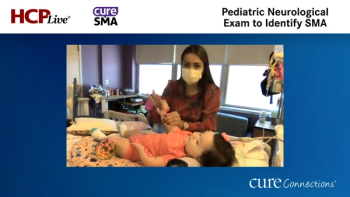
Diana Castro, MD walks us through a pediatric neurological exam and notes examination findings that may be identified in an infant with Spinal Muscular Atrophy (SMA).

The launch of a My Retina Tracker dramatically increased testing rates, which could help lead to better clinical trials and therapies.

Nearly 60% of children with MIS-C are admitted to the hospital for intensive care.
Management of the painkiller addiction crisis looked optimistic headed into 2020. The pandemic brought a heavy toll to efforts that took years to establish.
Guidelines call for athletes to miss up 6 months of sports following a myocarditis diagnosis. How frequent is the condition in the era of a risk-driving pandemic?

Researchers test new model with 2 existing models utilizing baseline data for suicidal thoughts and actions.

Fish with higher amounts of ω-3 fatty acids was strongly associated with lower risk of poor cardiovascular outcomes in those with vascular disease.
Vaccinated people may now meet indoors with low-risk unvaccinated individuals without masks or social distancing.
While at low-risk for severe COVID-19 disease course, children face risks of mental, social, emotional, and physical impact from the pandemic. Is healthcare ready to respond?
For decades, the drug class has been a highly promising yet selectively used agent in a litany of disease. Its necessity in the pandemic has provided lessons in how it could be utilized in the future.

Experts discuss opioid crisis complexities, such as the able to manage pain appropriately and the impact of social and structural determinates of health.
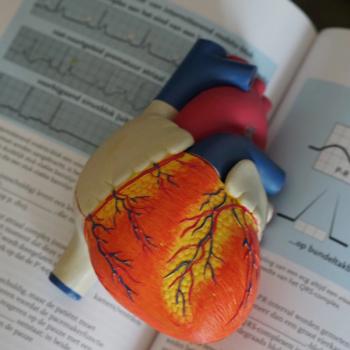
A longtime clinician writes on the signs and risks of fatal heart attack events, including the Widowmaker.

A look back on key moments from Episode 1 of the Rare Disease Report podcast —featuring Kim Smith-Whitley, MD.

Three separate doses of the drug showed benefit when compared to semaglutide.

The FDA will consider the approval of the biologics license application next month.
Students share their experience in the virtual classroom, navigating new requirements, and the lessons learned from their position in a global pandemic.
In this 9-part series, we explore how the COVID-19 pandemic may permanently change health care, treatment, and research in the future.
Consideration of how immunotherapy may influence other allergic diseases, patient adherence options, and advancing assessment of peanut allergy options.

Valerie Callender, MD, draws on her experiences in clinical practice to discuss cosmetic dermatology care practices and the challenges of this past year.

A doctor writes on his experiences in treating colleagues in his psychiatry practice, and the humility he's gained from it.
Younger patients are faring better, and for longer, with sublingual immunotherapy. A leading investigator discusses what more needs to be learned in the burgeoning field.

Traditional screenings for kidney allograft rejections can be expensive and invasive, highlighting the need for new methods.

Use of the vasoconstrictor was associated with increased risk for death due to respiratory disorders.

Sleep has increased since the beginning of the pandemic in college students, while social activity has decreased.