
The approval is based on absolute efficacy data from 3 influenza seasons.
The approval is based on absolute efficacy data from 3 influenza seasons.

Exposure to PPIs was associated with a moderate increase in the risk of community-acquired C diff infection, even after treatment discontinuation.

Risk was greater in children requiring intensive care, those with chronic kidney disease, and older patients.

Genetically-indexed inhibition of TNF-TNFR1 signaling was predicted to reduce the risk of Crohn’s disease and ulcerative colitis, and increased the risk of multiple sclerosis.

Albumin infusions did not result in statistically significant differences in predefined study endpoints.

The study underscores the importance of interpreting patient-reported disease severity scores in the context of mental health factors.

More patients also achieved endoscopic and histologic remission in the treatment group compared to the placebo group.

Patients ≥65 years using glargine or detemir, rather than NPH insulin, had lower risk of hospitalizations or emergency department visits due to hypoglycemia.

Researchers see differences in how SARS-CoV-2 attacks the brain in comparison to the influenza virus that caused the 1918 pandemic.

Investigators noted a higher prevalence of nuclear sclerotic cataracts in infected patients versus uninfected patients.
The immediate release d-MPH treatment is indicated for ADHD patients at least 6 years old.

Although overall decrease in mortality was similar to the control group, sickle cell populations were still less likely to receive a kidney transplant.
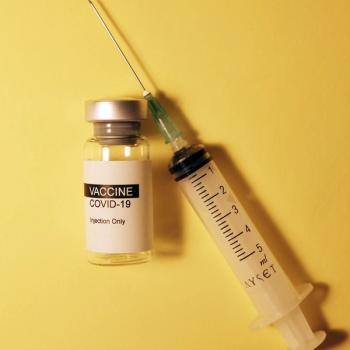
The FDA recently issued the third EUA for a COVID-19 vaccine in the US.

A pooled analysis of sleep disturbance-related outcomes showed the IgE inhibitor significantly benefits a burdensome symptom of CRSwNP.
The application, submitted by Merck, is based on data from 2 clinical trials evaluating patients with refractory or unexplained chronic cough.

From better education, to remote monitoring and consistent check-ins, clinicians may need to initiate better adherence in their younger, severely ill patients.

In data presented during AAAAI 21, researchers compared the 2006 and 2016 versions of the diagnostic criteria proposed by the NIAD/FAAN.

Oxygen saturation levels similar for both asthma patients and non-asthma patients following mask use.
In this first episode, Kim Smith-Whitley, MD, discusses the history, presentations, and research status of sickle cell disease.

MYMD-1 targets the root cause of inflammation for patients with IPF.
Individuals with PH are often undiagnosed or misdiagnosed; therefore, the exact prevalence of the disorder is unclear.

Late-breaking data show allegic children as young as 1-4 years old may have sustained benefit from daily peanut protein exposure.
An interview with a Children's Hospital Colorado investigator on new remote-monitoring research into children's adherence trends.

The adjusted allergy prevalence in recent years was 2.6% in infants who have been introduced to peanuts at 12 months.

New survey results depict unexpected burdens in long-haul patients, as well as continued issues following rehabilitation.

Common positive effects includes help with sleep, less pain, and calming influence.

Treatment showed a similar effect on patients with and without baseline asthma.
The indication was granted on the basis of data showing an 84% survival rate among a young pediatric population that face fatal disease severity.

All patients in the study who tested positive for COVID-19 suffered from mild or moderate symptoms.

Researchers explore further endpoints from the SINUS-24 and SINUS-52 trials.