

The subcuntaenous therapy's base drug was approval for two separate multiple myeloma indications last year.
The subcuntaenous therapy's base drug was approval for two separate multiple myeloma indications last year.
Patients with depolarizations only had sporadic events that induced cortical spreading depression of spontaneous electrical activity.

The AAN has released an update to their 2016 practice advisory—changing their stance on PFO closure to reduce risk of second stroke.

New study finds adopted children spend more time awake after sleep onset than children who weren’t adopted.

The findings may help identify women at increased risk of preterm delivery.

New research suggests childhood trauma and dysfunction could increase risk of CVD by up to 68%.
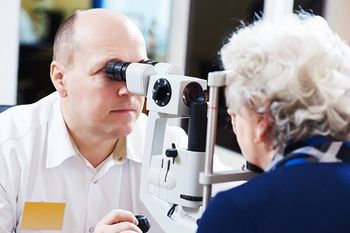
A new review has found less than 50% of the information presented at conferences, including AAO and ARVO, never gets published in peer-reviewed journals.

The findings can lead to new interventions to prevent the development of diabetes in older men.

Older men might need additional care compared to women.
Evry will enable the imaging of COVID-19 patients in need of emergency care.
Patients who undergo emergency surgery have twice the risk for venous thromboembolism than those how have elective surgery.

An analysis of the CITU study is shedding light on the impact of e-cigarette use on arterial stiffness and vascular health.

A new analysis of the FOURIER trial is diving into whether evolocumab use could slow or prevent progression of aortic stenosis.
The treatment was initially approved for adults >18 years old.

Results of the study from investigators at CHOP could have real-world impact on treatment algorithms.

A prespecified subanalysis revealed evolocumab use was associated with a significant reduction in risk of MI.

The inventor of a digital therapeutic discusses the creation of what he calls a "software pill."
Brief intermittent EEG may not have enough sensitivity for detecting potentially treatable seizures in cardiac arrest patients who required resuscitation.

New research suggests severe sleep apnea was linked to increased blood glucose levels in African-Americans.

New research from investigators in Europe is shedding light on the impact of mental stress on risk of peripheral artery disease

A new review is shedding light on the impact of becoming wealthy on a person's overall health.

The new approval is based on the result of 38 clinical trials involving more than 1000 patients.

Discussing how the ACC has responded to the ongoing outbreak and the potential lasting impact of COVID-19 on the College.

Telehealth capabilities are crucial during the COVID-19 pandemic.

Higher dosages of chloroquine can lead to safety hazards.
While stay-at-home orders have slowed the spread of COVID-19, Thomas Maddox, MD, and the ACC are concerned it may be having a dangerous secondary impact.
Discussing how COVID-19 impacts the cardiovascular health of infected patients with the Chair of the ACC's Science and Quality Committee.
A majority of patients hospitalized have at least 1 underlying condition and are older.

Prenatal exposure to air pollutants has a lasting effect on growth after birth.
New research from the RED VELVT trial is shedding further light on the discussion surrounding off-label use of DOACs for left ventricular thrombi.