

The IGF-1R inhibitor becomes the first therapy indicated for the rare eye condition.
The IGF-1R inhibitor becomes the first therapy indicated for the rare eye condition.

New data shows the market-controlling e-cigarette product nearly doubled its rate of young adult users in just 1 year.
A new review in the Journal of the American College of Cardiology is highlighting the impact of marijuana use on heart health.

New analysis feeds the belief that testosterone and estradiol influence asthma disparity between men and women.
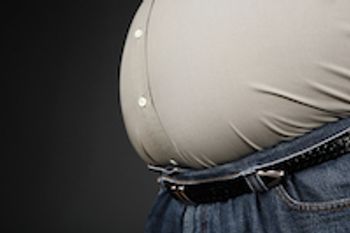
Analysis of more than 20,000 individuals found excess belly fat—measured by waist circumference—was linked to a significantly increased risk for suffering recurrent ASCVD events.
A meta-analysis shows an association between respiratory burden and greater dementia risk, but the causes are still unknown.
The latest episode of the DocTalk Podcast features Tsuyoshi Kaneko, MD, of Brigham and Women's Hospital, discussing the most recent data and trends in transcatheter aortic valve replacement.

Patients with untreated obstructive sleep apnea have increased health care utilizations with increased costs across all points of service.

New data from a Duke University study suggests virtual physical therapy could slash costs without sacrificing the efficacy of an in-person program.

Investigators found that family involvement in treatment can prolong the time between recovery and the next mood episode.

The physician and memoir author shares his personal and professional perspective on what's needed to fix a broken system of care.

Quetiapine, an antipsychotic known to treat mood disorders, is linked to increasing the risk of traumatic brain injuries for patients suffering from Alzheimer disease.

Using a collaborative care model, Mayo Clinic Health System - Franciscan Healthcare was able to address the shortage of obstetricians.
The GLP-1 agonist now has indications for the reduction of MACE and the management of A1C in patients with type 2 diabetes.
The FDA’s safety summary claims the extended-release formulation does not exhibit much benefit after the first day of administration.

Menopause timing could be adaptive in response to sexual behavior, investigators found.
Hemodialysis deemed the best form of dialysis in a new study focusing on elderly patients with end-stage kidney disease.

Contrary to current guidelines, a recent study has found performing surgery before aortic stenosis patients become symptomatic could dramatically improve outcomes

Aspects of cardiovascular evaluation and therapy need to be tailored specifically for women.

Of the 176 adverse events found in a trial targeting ambroxol as a Parkinson disease drug, only 3 were deemed related to the treatment.

The weekly physician-led series will kick off on Monday, January 27.
New research suggests Abbott's HeartMate 3 could revolutionize preimplantation strategy by eliminating use of categories based on transplant eligibility.

Medical students felt better about seeking mental health help after they learned of senior physicians who sought treatment for their own mental illnesses.
After FDA committees vote 27-0 against recommending the NDA for NKTR-181, Nektar Therapeutics announced they were withdrawing the application and canceling the program.
A pediatrics expert discusses how providers can help patients access medications and appropriate opioid use disorder treatment.

A new study finds women and patients with a recent history of hospitalization were more likely to be colonized with C. difficile.
The pediatric oncologist-turned-author gives perspective on the current suicide epidemic in the US, and what he learned from his own struggles.

Less than 1 in 4 eligible Medicare patients attend a cardiac rehabilitation program and, among participants, adherence to programs remains an issue.

In a nationwide cohort, clozapine shows the most mortality outcome benefit among schizophrenia antipsychotics.

Investigators find an association between fetuses with congenital heart disease and impaired fetal hippocampal and cerebellar development.