

A new study from investigators in Australia has found nearly 1 in 5 patients in a cardiac rehabilitation program suffer from at least moderate depression, anxiety, or stress.
A new study from investigators in Australia has found nearly 1 in 5 patients in a cardiac rehabilitation program suffer from at least moderate depression, anxiety, or stress.

Recent measures in the UK has led to a drop in IBD patients using corticosteroids to excess.

New findings presented at IDWeek show vaccinated children have inconsistent protection from the A(H3N2) flu subtype.

A recent study has found the long-term risk of developing thromboembolism with postoperative atrial fibrillation was similar to that of nonsurgical, nonvalvular atrial fibrillation.

How a community-based assessment can show physicians the ways in which the flu spreads.
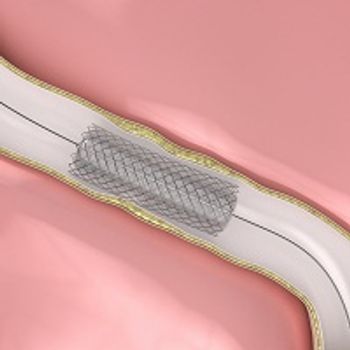
A new study from the European Heart Journal is contradicting a January 2019 FDA warning that paclitaxel-coated devices were linked to an increased risk of death.

New 12-week findings from a head-to-head phase 4 trial showed the Eli Lilly product's benefit for plaque psoriasis clearance.

The new implanted drug will help treat adults suffering from erythropoietic protoporphyria with a history of photoxic reactions.

The CDC Influenza Division medical officer discusses findings from their pediatric assessment at IDWeek.

Investigators take a deeper look into the association between burnout and quality of care.

In an extensive analysis, investigators link antipsychotic initiators with more days in the hospital for Alzheimer disease patients.

A new phase 2b trial shows the investigative therapy significantly improves the rate of patients with hives control over 12 weeks versus its competitor.
Novartis has announced the wet age-related macular degeneration treatment brolucizumab, which was backed by data from the HAWK and HARRIER trials, has received FDA approval.

A new study which reviewed data on more than 3 million patients found dog ownership was associated with a 24% reduced risk of all-cause mortality and a 65% reduced risk of mortality after a heart attack.
Higmark Interactive will now be able to market their full suite of EQ software modules.

A recent study of primary practices in England found Asian patients were 15% less likely to be prescribed insulin, while black patients were half as likely to be prescribed a GLP-1 agonist or SGLT2 inhibitor.

In a new trial, investigators test whether continuing or discontinuing ADA is more beneficial.

George Bakris, MD, professor of medicine at University of Chicago Medicine and member of CREDENCE steering committee, discusses the recent approval of canagliflozin and what it means for diabetic patients and their physicians.

A new study of children in West Virginia found associations birth weight and blood pressure as well as cholesterol and triglycerides at age 11.

African Americans are more greatly burdened by the cardiovascular condition and its common comorbidities. Are new therapies able to help?

How has testing and diagnosis changed?
AKLIEF Cream, a topical cream to treat acne on the face and trunk, is expected to be available in the US in November.
The United States Food and Drug Administration has accepted a BLA for Viaskin Peanut from DBV Technologies for the treatment of peanut-allergic children ages 4 to 11, which previously withdrew a BLA in 2018 after request from the FDA requested additional data on its manufacturing procedures and quality controls.
The indication makes it the first respiratory biologic available either at home or in a professional setting, with eight-week maintenance dosing.

A new study from the Harvard T.H. Chan School of Public Health found increasing consumption of sugary beverages, including 100% fruit juices, by half a serving per day could increase a person's risk of diabetes by 16%.

A recent study from the ACC Middle East Conference 2019 found patients with hypertension and type 2 diabetes who consume a high fiber diet had improvement in their blood pressure, cholesterol and fasting glucose.

RenalGuard Solutions officials are claiming success in the REMEDIAL III trial for a new product that creates high urine output to prevent kidney injuries during interventional procedures.
The FDA approves Descovy to reduce the risk of HIV infection through sex.
Trelegy Ellipta could become the first triple-combination, single-inhaler therapy approved for the treatment of both asthma and COPD.

New phase 2b data shows the JAK1 inhibitor is beneficial for moderate to severe adult atopic dermatitis.