
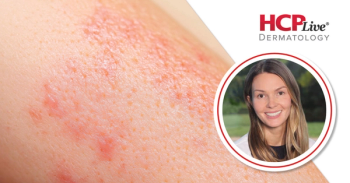
Holzem spoke in this interview about several additional highlights from her session at SDPA Fall regarding red flags in dermatology and when to admit from the clinic.
Holzem spoke in this interview about several additional highlights from her session at SDPA Fall regarding red flags in dermatology and when to admit from the clinic.

A study showed that users readily adopt mental health apps, but adherence and follow-up completion lag; reminders and human support improve engagement.
International registry analysis highlights consistent outcomes, calls for global collaboration in managing high-risk post-transplant pregnancies.

The investigational unimolecular GLP-1 and amylin receptor agonist substantially improved weight loss in a phase 2 trial.

Nicholls highlights tirzepatide’s capacity to lower the risk of heart failure mortality, as well as hospitalizations or urgent visits.
Otsuka Pharmaceuticals seeks FDA approval for centanafadine, a novel ADHD treatment, showing significant efficacy in pivotal clinical trials.
In her SDPA Fall Dermatology Conference interview, Holzem highlights key warning signs for a variety of dermatologic conditions requiring hospital admission.

Patients with MASLD, advanced CKM stages face higher mortality and liver fibrosis, emphasizing the need for early risk assessment.

Phase 4 double-blind data reveal improved remission, but no significant difference in response between perospirone and placebo.
Study findings suggest ChatGPT and Gemini both require further model improvements before relying solely on LLMs in clinical nutrition practice.
Explore the latest findings on GLP-1 drugs, including their impact on Alzheimer's and promising results for type 1 diabetes treatment.
This interview at the SDPA Fall Dermatology Conference highlights several topics covered in sessions presented by Trotter.

Pediatric IgA nephropathy shows slow progression, high remission rates, and frequent relapse, with new risk factors identified to improve long-term prognosis and management.

Stein discusses the results of a groundbreaking open-label extension, which indicates the efficacy and safety of this investigative oral PCSK9 inhibitor.
Children with MASLD were more likely to live in neighborhoods with greater socioeconomic and environmental disadvantage than those with overweight or obesity but without MASLD.

Two large cohort studies found greater infection and implant-related risks in patients with atopic skin conditions after major surgeries.

Novo Nordisk has terminated the 1-year follow-up for the evoke and evoke+ trials after no significant reduction was indicated in either.
This interview at SDPA highlights Gatti's views on the impact of technology on radiology, pathology, and dermatology.

Bariatric surgery, particularly sleeve gastrectomy, may improve survival and kidney transplant access in older adults with obesity and ESKD.

Bayer’s investigational FXIa inhibitor has proven its superiority to placebo in reducing ischemic stroke risk without increasing major bleeding rate.

Tamura discusses the positive results of the phase 2 trial and its implications for the treatment of a specific subset of patients with high-sensitivity IL-6 PAH.

This post-hoc analysis highlights nemolizumab’s long-term efficacy and safety in adolescents with moderate-to-severe atopic dermatitis.
A curated recap of 8 impactful trial updates from the American Society of Nephrology Kidney Week 2025.
Stay updated with the latest healthcare breakthroughs, including FDA approvals and new Crohn's disease guidelines, in this week's essential news roundup.

New findings reveal the Viaskin Peanut Patch effectively builds peanut tolerance in over 70% of toddlers, offering hope for allergy management.
Phase 3 trial shows MIL62 accelerates remission, reduces relapse risk, and improves kidney function compared with cyclosporine A in adults with primary MN.
This episode covers the upcoming release of Dexcom's G7 15-day patch and major price cuts for semaglutide.

Non-RASi antihypertensive use before pregnancy in women with IgAN increased the risk of severe HDP and preterm delivery.

Following the Skin of Color Society's (SOCS) 8th Annual Media Day, a Skin of Color Savvy podcast episode will be released highlighting the event.

Arai breaks down key recommendations from the 2025 AGA gastroparesis guidelines and what they mean for the field at large.