

Brian Lacy, MD, PhD, of Mayo Clinic discussed the stepwise approach to diagnosing non-IgE mediated food hypersensitivity at EAC 2026.
Brian Lacy, MD, PhD, of Mayo Clinic discussed the stepwise approach to diagnosing non-IgE mediated food hypersensitivity at EAC 2026.
Gastroenterologist Brian Lacy, MD, PhD, discusses how to differentiate HAE, MCAS, and eosinophilic GI disorders in patients with unexplained abdominal pain and bloating.
Fukami, MD, discusses how first-line ESD may offer both survival and cost advantages over esophagectomy for EEC in the United States.

Chedid, MD, MS, explains the evolving therapeutic IBD landscape, including new data from DDW 2026.
Chedid describes the future of personalizing IBD care based on patient characteristics.
Early data suggest varenicline may improve abdominal pain, bloating, and bowel symptoms in patients with IBS.
Murray breaks down what gastroenterologists need to know about celiac disease diagnosis and management.
Families and clinicians highlight the race against time in biliary atresia, where early recognition can change the course of a child’s life.
The living guideline incorporates new medications and the latest data to make recommendations for moderate-to-severely active CD care.
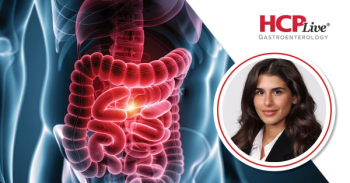
Late-breaking ACG 2025 data link rimegepant to increased rectal compliance and reduced rectal sensation in IBS without constipation.
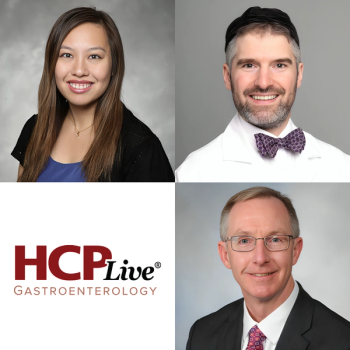
A trio of experts reflect on unmet needs in gastroparesis, from diagnosis to treatment, and discuss advances that could shape the future of care.

Study findings suggest NMP is especially beneficial for DCD allografts and is linked to better outcomes and resource use than SCS.

Lacy explains the potential value of an ambulatory wireless patch test for identifying unique gastric activity patterns and individualizing patient care.
Lacy explains limitations to current motility measurements and reviews findings from his study exploring the potential of a wireless motility patch system.

In recognition of World IBS Day, we spoke with Jeffrey Roberts about what led him to found the holiday in 2019 and took a closer look at the continued marginalization of the condition.
The potassium-competitive acid blocker drug class is coming to US digestive disease management. How does it fare to standard antacids and PPIs for GERD?
A Mayo Clinic study shows FMT may provide benefit for patients experiencing recurrent infections during their C difficile treatment.
RBX2660 is the first ever live microbiota therapeutic approved by the FDA.

RBX2660 is the first live microbiota therapeutic approved by the FDA.
More than 70% of patients treated with RBX2660 were recurrence free at the 8 week mark.

There are several potential treatments on the horizon for C difficile infections.

Rates per 100 person-years for adverse events, infections, and major adverse cardiac events were similar between placebo and ustekinumab through up to 5 years.

Initial studies have shown a 73% efficacy for FMT in treating patients with HVGD.

Dr. Simonetto is involved in several studies using artificial intelligence.

April 6 is Donate Life Living Donor Day, a day to promote liver donations.

For patients treated with DOACs, the investigators suggest temporarily interrupting treatment rather than continued use.