
Leiter discusses the growth of incretin-based therapies through all aspects of the cardio-kidney-metabolic syndrome space.
Leiter discusses the growth of incretin-based therapies through all aspects of the cardio-kidney-metabolic syndrome space.
Leiter discusses the importance of earlier and more dramatic lipid-lowering interventions in patients with diabetes at risk of cardiovascular disease.
Rishi Wadhera, MD, MPP, MPhil, addresses performance metrics, cross-specialty prescribing, and the policy forces reshaping the cardiometabolic care cascade.
Rishi Wadhera, MD, MPP, MPhil, discusses where the cardiometabolic care cascade is failing most consequentially at the 10th Annual Heart in Diabetes Meeting.
Katherine Tuttle, MD, discusses shifting the goals of chronic kidney disease management from slowing progression to preserving kidney function.
Butler explains why the urine albumin-to-creatinine ratio belongs in routine heart failure risk assessment and where the open questions remain.
Javed Butler, MD, MBA, discusses how aldosterone synthase inhibition could shift treatment across heart failure, CKD, and resistant hypertension.
MOMENTUM data suggest hypercortisolism prevalence reached 43.6% among individuals with resistant hypertension and an eGFR below 45 mL/min/1.73 m².
Phase 3 FIND-CKD data show finerenone slows kidney function decline in non-diabetic chronic kidney disease, extending the agent's role beyond diabetic CKD.
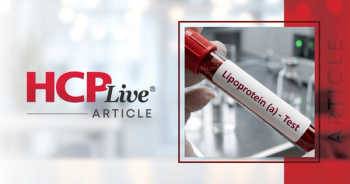
A Family Heart Database analysis found only 1.1% of US adults have undergone lipoprotein(a) testing.
A secret shopper study of 49 websites selling GLP-1 receptor agonists found more than 90% issued a prescription, often without bloodwork, photo verification, or clinician interaction.

At the 7th Annual Heart in Diabetes meeting, Joseph discussed the need to advance equity in diabetes management, from clinical practice to community-based interventions.

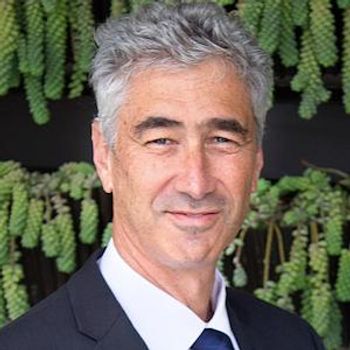
At HiD 2022, Dr. Budoff discusses the use and utility of coronary calcium scoring for risk stratification

Dr. Martin explores the explosion of new consumer technologies and how to close the gap in disparities between data collection and using the data in practice.

Dr. Ray discusses the impact of current practice on cholesterol goal attainment and what more needs to be done.

Dr. Green discusses the potential of combination therapy to reduce cardiovascular and kidney outcomes in people with type 2 diabetes.
Dr. Joseph discusses modalities to address cardiometabolic disease in individuals around the country, from lifestyle management to policy-level changes.

Fish oil intervention and DASH diet show no statistically significant effect on glycemic control and adiposity.

Data show the relative expression of SORT1 gene was upregulated by 4.438 fold in patients with CAD, compared to control.

Data show all 7 studies using relative risk found an association between metabolic syndrome and the development of PAD, but one study (RR: 1.31).

Data show cfPWV at 17.7 years was independently and directly associated with total fat mass and trunk fat mass at 24.5 years.
Adults 40 years and younger generally aren't tested for lipid level risk—a byproduct of national guidance and clinical trial needs.

Patients with type 2 diabetes treated with triple therapy had less hepatic steatosis and fibrosis and significantly improved insulin sensitivity versus conventional therapy.

Data show the age-adjusted prevalence of hyperinsulinemia in adults without diabetes increased by 18% in the study population between 1999 - 2000 and 2017 - 2018.

Though select diabetes guidelines suggest the use of continuous glucose monitoring on patients with diabetic patients on intensive therapy, the potential benefits on type 2 patients without insulin and pre-diabetes patients has yet to be fully explored.

Though limited data exist, Dr. Dunfaif believes there’s are indications of cardiovascular risk in patients of all ages with polycystic ovary syndrome.
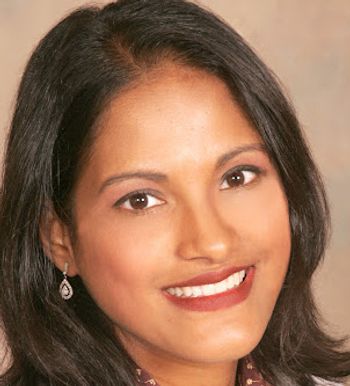
From evidence-based and plant-based diets, to promising new strategies involving SGLT2 inhibitors, Dr. Taub detailed preventative strategies used to combat cardiovascular disease.

While some treatments did not result in reduced instances of strokes in patients, others such as GLP-1 agonists provided Dr. Inzucchi with new opportunities for cardiovascular disease prevention.
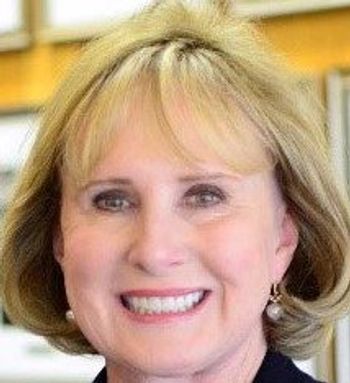
Dr. Donna H. Ryan presents data on emerging pharmacological strategies that could aid patients in achieving optimal weight loss and prevent risk of cardiovascular events and diabetes.