

Opinion|Videos|March 4, 2025
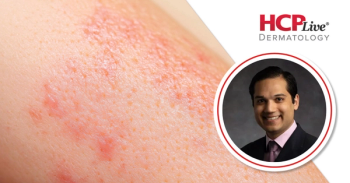
Emerging Treatment Options in Atopic Dermatitis
Panelists discuss new treatment options in atopic dermatitis (AD) that they are excited about, highlighting promising therapies and advancements, and share clinical pearls for colleagues, emphasizing best practices and insights to optimize patient care and outcomes.
Advertisement
Episodes in this series
Video content above is prompted by the following:
- What new options in AD are you excited about?
- What clinical pearls would you like to share with colleagues?
Advertisement
Related to this article
George Vasquez-Rios, MD, explains how the ASN's GD-C Compendium curates glomerular disease guidance for general clinicians and specialists alike.
Andrew Cutler, MD, says real-world MDD patients respond to adjunctive cariprazine like trial participants, with gains in mood and function within weeks.

Frances Lee, MD, on the stigma driving under-detection of ALD and its disproportionate rise in women and younger adults.
SOCS leaders explain SOCS Serves, a toolkit-based program connecting dermatology volunteers with students and underserved communities.
EMBARQ-CSU1 and EMBARQ-CSU2 showed sustained reductions in urticaria, with the antibody meeting all primary and key secondary endpoints at Week 12.

The FDA-approved update adds phase 3 HYPERION data on adults diagnosed with PAH within the past year.

Josh Woolley, MD, PhD, explains why current active placebos fail to mask high-dose psilocybin trials and outlines a framework proposed to fix it.
Raj Chovatiya, MD, PhD, on zasocitinib results in the scalp, nails, palms and soles, speed of response and once-daily oral dosing in psoriasis.
Advertisement
Advertisement
Trending on HCPLive
1
FDA Updates Sotatercept Label with HYPERION Data in Early PAH
2
EMBARQ-CSU: Barzolvolimab Meets Primary, Secondary Endpoints in CSU Trials
3
FAQ: What the Expanded Marstacimab Approval Means for Hemophilia A, B
4
Half-Life vs. Real Life: How Real-World Evidence Is Reframing Wet AMD Treatment
5