
Opinion|Videos|October 29, 2026
HS Draining Tunnels: Severity Markers, Scarring, and Unmet Needs
Draining tunnels signal rapid progression and permanent scarring, shifting the urgency of treatment. The panel also identifies education gaps and the limits of static staging as the most pressing unmet needs.
Advertisement
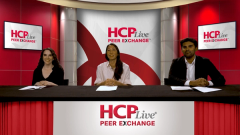
This episode, "HS Draining Tunnels: Severity Markers, Scarring, and Unmet Needs," features the dermatology panel examining what draining tunnels mean for severity and prognosis.
The panel is asked what a draining tunnel means for disease severity, the potential for progression, and how difficult these patients are to treat. The panel describes draining tunnels as a fire alarm. The amount of inflammation in these areas signals that the disease is progressing, and progressing quickly, so clinicians can often upstage severity once tunnels appear. The panel argues that this inflammation needs to be recognized, managed, and treated aggressively. Tunnels push patients into the moderate-to-severe range on every severity metric available. The goal is to reach patients before that point, because skin that has tunneled will never be normal again. Where there is a tunnel, there will be a scar, usually a rope-like scar that constricts mobility.
The panel illustrates this with a patient who wanted only to throw a ball for his children but had about 20 degrees of shoulder movement when treatment began. After treatment he regained full range of motion and could play with his children. The panel cites this as further support for treating earlier and more aggressively, and notes that frozen shoulder has been shown to increase with HS severity.
Asked about the most significant unmet needs, the panel highlights understanding why tunnels form and how to address them earlier. Education is a second priority, both for colleagues learning to recognize draining tunnels and for patients, who need to feel comfortable and safe presenting to the office. The panel also welcomes the move away from rigid adherence to early staging. Hurley staging was designed as a surgical tool rather than a guide to medical treatment, and it is static, so patients could be upstaged but not downstaged. Clinicians now need to discern moderate-to-severe disease and better appreciate its dynamic nature.
In "HS Biologic Therapy: Selecting, Starting, and Monitoring Response," the panel will review the approved biologics, comorbidity-guided selection, and how to judge response.
Advertisement
Related to this article
In the SCENARIO trial, a 15-week weight-loss program cut recurrent vascular events by 67% in patients with obesity after minor ischemic stroke or TIA.

Lindsay Ackerman, MD, and Chris Bunick, MD, PhD, discuss where topical PDE4 inhibitors fit in atopic dermatitis and how to measure skin and itch response.
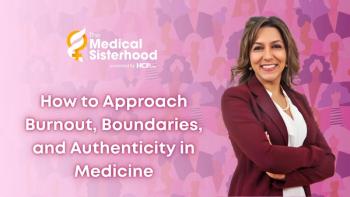
Shannon C. Trotter, DO, and Mona Shahriari, MD, discuss burnout, people-pleasing, public speaking, and the real life behind physicians’ polished personas.
Retatrutide lowered A1C 2.2% vs 1.8% and cut weight 19.5%-20.9% vs 9.4% with semaglutide 2 mg at 80 weeks in adults with type 2 diabetes.
ORKA-001, a half-life extended IL-23p19 antibody, achieved PASI 100 in 61% of high-dose patients at week 16 in the phase 2b EVERLAST-B psoriasis trial.
In PHINDER, IPF had the highest PVD-B65 mortality risk scores. Rali discusses why PH in ILD is missed and when to refer for right heart catheterization.
Parth Rali, MD, explains how the AHA/ACC A-through-E categories compare with ESC risk tiers and how hospitals can meet the class 1 PERT recommendation.
Colin Church, MBBS, PhD, discusses durable 6MWD and NT-proBNP signals in a TPIP open-label extension and what phase 3 needs to show next.
Advertisement
Advertisement
Trending on HCPLive
1
TRANSCEND-T2D-2: Retatrutide Beats Semaglutide 2 mg on A1C, Weight Loss
2
PAH Medication Side Effects: Tolerability, Titration, and Shared Decision-Making
3
CONCORD Trial Results in CKD Depression, With Susan Hedayati, MD, MHSc
4
Tradipitant Cuts Semaglutide-Induced Vomiting in Phase 3 Trial
5