

Greater levels of physical activity and higher diet quality were linked to a reduced risk of MASLD, MetALD, and compensated advanced chronic liver disease.

Abigail Brooks is a strategic content lead overseeing HCPLive, RheumatologyLive, and Patient Care Online. She joined MJH Life Sciences in August 2023 shortly after graduating from Monmouth University where she earned her BA in Communication with a concentration in Public Relations/Journalism and later an MA in Interactive Digital Media. She enjoys traveling, running, and reading books. She can be reached at [email protected].
Greater levels of physical activity and higher diet quality were linked to a reduced risk of MASLD, MetALD, and compensated advanced chronic liver disease.

Donor HCV positivity was not associated with acute rejection or recipient mortality 1-year post-renal transplant in HCV-negative recipients.

The updated clinical practice guideline addresses new research and clinical developments since the first iteration of the guideline was released in 2014.

Factors associated with 30-day readmission were shorter hospital stays after transplant, insurance status, and patient history of diabetes and malignancy.
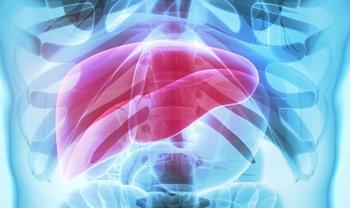
MASLD and MetALD were linked to a greater risk of incident IBD, with risk increasing as the number of associated cardiometabolic risk factors increased.

The approval of Amneal Pharmaceuticals’ generic version of rifaximin 550 mg oral tablets is tentative due to the product’s involvement in litigation.

Abelacimab achieved notably lower levels of free factor XI and fewer bleeding events than standard-of-care rivaroxaban in the Phase 2b trial.

Findings point to global increases in alcohol use disorder, alcohol-associated liver disease, and liver cancer attributable to alcohol from 2000-2021.

Findings highlight the wide variety of outcomes experienced by patients with IgAN and the limited insights offered by clinical data at diagnosis.

Phosphatidylethanol outperformed several indirect blood-based alcohol biomarkers for differentiating MetALD from MASLD.

Study findings point to the prognostic value of anti-ETAR and anti-CXCR3 antibodies in IgA nephropathy and lupus nephritis.
The Breakthrough Therapy designation comes just months after positive phase 2 data for brelovitug were presented at AASLD The Liver Meeting in 2024.

The analysis of NHANES data revealed higher LE8 scores for cardiovascular health were linked to a decreased risk of MASLD.

Findings show differences in the clinicopathological characteristics and prognosis of patients with IgAN and nephrotic syndrome across renal pathologies.

In the absence of effective treatments, the prevalence of MASLD could reach 41.4% by 2050 and lead to large increases in HCC cases and liver transplants.

Dubinsky describes the evolution from anti-TNF therapies to IL-23 antagonists and the significance of mirikizumab’s approval for Crohn’s disease.

The study leverages large US-based claims datasets and pathologist input to estimate the annual incidence and total prevalence of IgAN in the US.

In a validated microsimulation model, annual CRC screening with FIT was the most cost-effective strategy among patients with low adherence.

Based on NHANES data, the age-adjusted prevalence of lean SLD was found to be 12.8%, including a 9.8% prevalence of lean MASLD.
The approval is based on data from the phase 3 VIVID-1 study and marks mirikizumab’s second approval in IBD, the first being ulcerative colitis in 2023.

The analysis of UnitedHealth Group claims data found the per-patient cost of cirrhosis care exceeded that of HF and COPD by 21.7% and 55.0%, respectively.

ChatGPT effectively simplified information about more than 60 glomerular disease terms to enhance readability, but medical accuracy decreased.

Flemming describes increasing rates of AH among adolescents and young adults, with females facing the greatest increases and worse outcomes than males.

In patients with MASLD and T2D, GLP-1 RA use was linked to a 16% relative risk reduction in major adverse liver outcomes compared with SGLT2i use.

The new definition uses both age and GFR without body surface area correction to determine the threshold value for hyperfiltration.

Pediatric liver transplant centers with greater within-center variability in induction type had higher rates of 1-year rejection.
The randomized trial is the first to assess fecal microbiota transplantation for treating diabetic gastroenteropathy, highlighting its safety and efficacy.
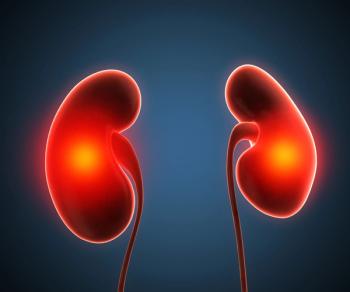
As the number of metabolic components increased, so did the risk of adverse outcomes in patients with biopsy-proven IgAN.

Non-Hispanic Black and Hispanic children were less likely to undergo preemptive KT and had longer wait times than non-Hispanic White children.

Study findings suggest patients with MASLD face a 2.59-fold increased risk of heart failure, especially HFpEF, relative to those without MASLD.