

Barnes explains the significance of having mirikizumab as a treatment option for Crohn’s disease and reviews new VIVID-2 open-label extension data.

Abigail Brooks is a strategic content lead overseeing HCPLive, RheumatologyLive, and Patient Care Online. She joined MJH Life Sciences in August 2023 shortly after graduating from Monmouth University where she earned her BA in Communication with a concentration in Public Relations/Journalism and later an MA in Interactive Digital Media. She enjoys traveling, running, and reading books. She can be reached at [email protected].
Barnes explains the significance of having mirikizumab as a treatment option for Crohn’s disease and reviews new VIVID-2 open-label extension data.

The Fast Track Designation was granted to Biodexa Pharmaceuticals’ eRapa based on phase 2 data showing its safety and tolerability in adults with FAP.

Study findings suggest children with documented SARS-CoV-2 infection face an increased risk of GI tract symptoms than those without the infection.
Findings from the VIVID-2 open-label extension study in patients with CD highlight long-term clinical and endoscopic outcomes with mirikizumab.

The genetically edited pig kidney was provided by eGenesis and successfully transplanted into a 66-year-old male patient with end-stage kidney disease.

GLP-1 RA use was linked to a reduced risk of alcohol-associated liver disease, lower rates of hepatic decompensation, and improved survival.

Findings highlight the need for early frailty screening in dialysis patients and the implementation of appropriate interventions to improve outcomes.

Data from the phase 1 trial are intended to support dosing in a planned phase 2 trial in kidney transplant recipients.
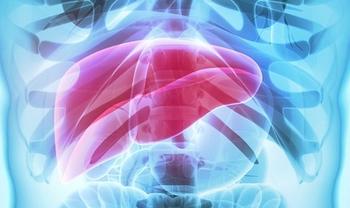
Findings suggest the value of genotyping and histological assessment for guiding HCC screening decisions in patients with chronic HBV.

Findings from the LIVERHOPE trial suggest adding simvastatin and rifaximin to standard therapy does not reduce ACLF occurrence.

Completion of the trial was announced in a financial update from Novo Nordisk, who explained the trial missed its primary endpoint for uACR improvement.

Laique reviews data supporting the use of metabolic surgery in patients with obesity and cirrhotic MASH.
Laique emphasizes the unmet needs for patients with cirrhotic MASH who are not eligible for resmetirom and what role metabolic surgery may play in their care.
The month in review spotlights the top news and research in nephrology from January, including an FDA approval and new IgAN research.

Findings call attention to age-related neurodevelopmental differences between pediatric patients with CKD and healthy controls.
United Therapeutics’ investigational UKidney is derived from a 10 gene-edited source pig and will be tested in a clinical study of ESRD patients.
This month in review spotlights HCPLive’s coverage of hepatic pipeline news and recent research about MASLD, liver transplant, and alcohol in liver disease.
This month in review spotlights HCPLive’s coverage of gastroenterology pipeline news, a feature about gastroparesis and migraine, and recent GI research.

Greater magnesium depletion scores were longitudinally linked to increased risks for all-cause and CVD mortality in patients with MASLD or MetALD.

Although FIB-4, ELF, and VCTE LSM performance did not vary significantly by patient characteristics, threshold adjustment was needed.

Garimella describes the overlap between diabetes and kidney disease, explaining the significance of semaglutide’s new indication for these patients.

The rolling NDA submission will include new data from the STARS Extend open-label extension study as well as data from the phase 3 STARS trial.

Findings suggest the benefits of combined belatacept and tacrolimus immunosuppression after kidney transplantation for patient and all-cause graft survival.

Study findings suggest NMP is especially beneficial for DCD allografts and is linked to better outcomes and resource use than SCS.

Findings suggest MASLD, especially with diabetes, overweight, or hypertension, is associated with significant fibrosis in patients with HCV.
The FDA approved semaglutide to reduce the risk of kidney disease worsening, kidney failure, and death due to CVD in those with T2D and CKD.

Patients who started dialysis as children but were not waitlisted until young adulthood faced worse outcomes than those who were listed before turning 18.

Compared with nonsurgical treatment, metabolic surgery was associated with reduced risks of incident MALO and progression to decompensation.

Results showed no difference in time to relapse, relapse rates, subsequent immunosuppression use, or kidney function between the medications.

Preliminary topline week 96 results showed statistically significant reversal of MASH compensated cirrhosis with efruxifermin in complete and ITT analyses.