

Identifying a potential biomarker is an extended process, one which benefits from collaboration between researchers and clinicians of many specialties.
Identifying a potential biomarker is an extended process, one which benefits from collaboration between researchers and clinicians of many specialties.

The placenta plays a major role in preeclampsia but is difficult to access. Investigators have turned to the eye, the choroid in particular, looking for clues about this serious condition.

People experiencing homelessness were more likely to follow-up on referrals from an ophthalmology clinic if they had finished high school or had a primary care provider.

The ZEBRA study found that ziv-aflibercept was non-inferior to aflibercept and ranibizumab, and was more cost-effective.
Investigators examined both basal and reflex tears from patients with and without Parkinson disease, in search of a potential biomarker.

Investigator Lim sees hope that the EyeArt AI system will be able to screen more patients for diabetic retinopathy and help prevent blindness.
It’s difficult to diagnose Parkinson disease before some permanent neurological damage occurs. But tears may hold the key to earlier diagnoses.
The artificial intelligence system, EyeArt, was able to detect diabetic retinopathy with a sensitivity of 95.5% and specificity of 86%.
After training the EyeArt system on thousands of images of eyes with diabetic retinopathy, investigators tested the AI in a clinical trial.
With 8.5% of the global population having diabetes, there is a growing unmet need for diabetic retinopathy screening. Artificial intelligence may help close the gap.
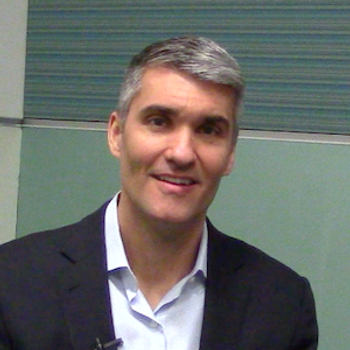
Aflibercept not only significantly improved patients’ DRSS scores, but it also reduced vision-threatening complications by 75% compared to placebo.
The trial examined 2 doses of aflibercept versus sham in patients with good visual acuity and no center-involving diabetic macular edema.
PANORAMA is the first prospective study of high-risk patients with non-proliferative diabetic retinopathy, but not DME, in the anti-VEGF era.
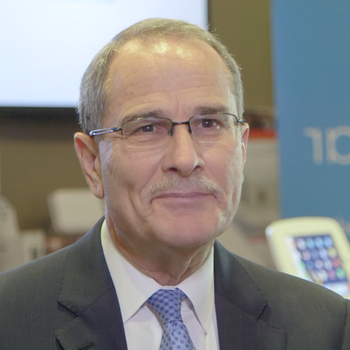
With support from the “genius” at the O Bar, even patients without strong digital skills are able to participate in Ochsner’s digital medicine programs.

The lotion, Duobrii, combines halobetasol propionate, a topical steroid, with tazarotene, a retinoid, to provide 2 mechanisms of action for treating plaque psoriasis.
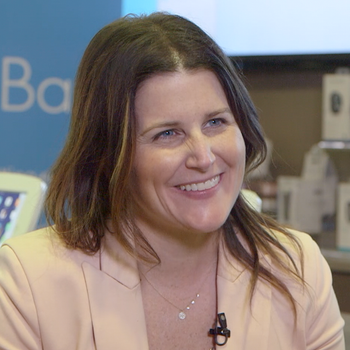
Over a 90-day period, this algorithm reduced hospital codes, such as cardiac arrest, by 44%.
The Connected MOM program allows self-monitoring during pregnancy so that some in-person visits can be skipped, and any issues can be identified early.
The TransPyloric Shuttle device is delivered endoscopically to the stomach and can be used for up to 12 months of treatment.

Drinking no water on a given day was associated with greater caloric intake overall and a greater percentage of calories coming from sweetened beverages.
Richard Milani, MD, shares about the digital medicine program, particularly the track for patients with hypertension.
Aimee Quirk, CEO of innovationOchsner shares about how they have improved aspects of health care by introducing uses of technology.
Unlike injectable versions, naloxone nasal spray may be administered outside a health care setting by anyone, regardless of medical training.

For expectant parents who smoke, quitting before pregnancy or as early as possible during pregnancy was associated with a reduced risk of preterm birth.

As of September 2018, 95% of children treated with Zolgensma were alive and did not require permanent ventilation.
Riluzole oral film (Exservan) was developed as an option for patients with ALS who have difficulty swallowing medication.

A task force found insufficient evidence on the benefits and harms of screening for lead in asymptomatic children and pregnant persons.
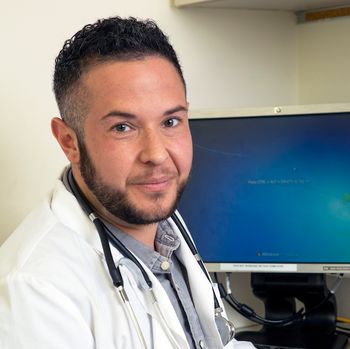
Hospitalized patients were significantly more likely to recognize their physician when they had received a facecard with the doctor’s name and photo.

A small study in Colorado reported that regular marijuana users require significantly greater amounts of sedatives for endoscopic procedures.

The CREDENCE study of canagliflozin in adults with chronic kidney disease and type 2 diabetes met its primary endpoint as well as cardiovascular endpoints.
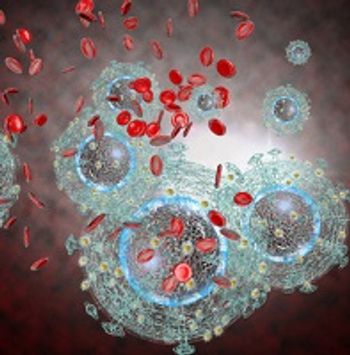
After initiating treatment with Symtuza within 2 weeks of HIV diagnosis, 84% of patients achieved undetectable viral loads at 48 weeks.