

EMR data from the 17-18 flu season shows that cell-based influenza vaccines were more effective at preventing influenza-like illness compared to standard egg-based vaccines.
EMR data from the 17-18 flu season shows that cell-based influenza vaccines were more effective at preventing influenza-like illness compared to standard egg-based vaccines.

Investigators have found that lowering LDL cholesterol may not be the only way to reduce cardiovascular events—reducing inflammation may be the key to improving outcomes.

Strengths of the DECLARE-TIMI 58 trial included a large primary prevention population, while the nature of the study meant that adherence was likely higher than it would be in a standard setting.
The study showed noninferiority with relation to major adverse cardiovascular events and a reduction of heart failure, though no difference in cardiovascular death compared to placebo. There appear to be renal benefits to dapagliflozin as well.

In addition to a 25% reduction of risk of future cardiovascular events, icosapent ethyl (Vascepa) lowered the risk of cardiovascular death by 20%.

Ezetimibe 10 mg/day significantly reduced the incidence of atherosclerotic cardiovascular events in elderly patients with high LDL cholesterol compared to control.

The updated cholesterol guidelines continue to emphasize a healthy lifestyle for people of all ages and the need for personalized treatment plans. They also lay out a path for escalating treatment when statins aren’t sufficient.
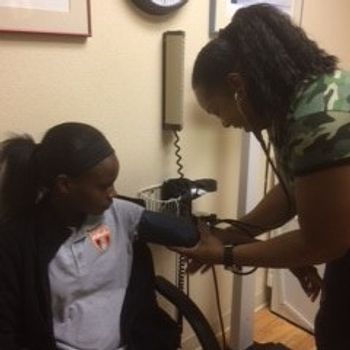
In visits with overweight or obese children with high blood pressure, pediatricians either provide no communication about BP or unclear or dismissive statements, unless SBP is ≥120 mmHg.

The FDA has extended the approved use of Bryhali (halobetasol propionate) Lotion .01% for up to 8 weeks in adults with plaque psoriasis.

The 4th generation VITROS Immunodiagnostic Products HIV Combo Reagent Pack and Calibrator has been approved by the FDA for use on the VITROS 5600 Integrated System.

Combining glaucoma medications into a single eye drop could simplify regimens and reduce costs for patients. Investigators found that a combination eye drop also significantly reduced intraocular pressure compared to control.

Patients with diabetic macular edema (DME) switching to aflibercept from ranibizumab improved their BCDA by an average of 5 letters over 9-12 months.

Authors compared investigator assessments to reading center-assessed optical coherence tomography outcomes to evaluate intravitreal aflibercept injection with or without rescue photodynamic therapy.

Ronald Gentile, MD, and colleagues investigated pain-reduction strategies following intravitreal injections. The results have implications for patient experience, physician ratings, and treatment adherence.

Patients treated with faricimab every 16 weeks had a mean improvement of 11.4 letters from baseline, compared to 9.6 letters in those treated with ranibizumab every 4 weeks.

The phase 2 FILLY trial found that APL-2 injections both monthly and every other month slowed lesion growth compared to sham.

In patients with neovascular AMD, 24% receiving brolucizumab had intra-retinal fluid and/or sub-retinal fluid compared to 37% of aflibercept-treated patients in the HAWK trial.

An anti-PIGF, a plasma kallikrein inhibitor, and a pan RGD integrin antagonist are some of the investigational treatments in the pipeline for diabetic retinopathy and diabetic macular edema.
David Brown, a retina specialist discusses how retina and diabetes specialists can coordinate care and education for their patients as well as the outlook for AMD/DME research.
In a phase 2 study, a long-acting, implantable delivery system for ranibizumab allowed patients with wet age-related macular degeneration to go up to 15 months before requiring a refill.

Along with sports cardiology and pediatric cardiology, Robert Battle specializes in treating patients with hypertrophic cardiomyopathy, the most common genetic cardiovascular disorder.

The SynchroMed II myPTM Personal Therapy Manager allows patients with chronic pain to manage unpredictable pain by delivering on-demand doses within limits set by their provider.
Yutiq, a fluocinolone acetonide intravitreal implant, is indicated for the treatment of chronic non-infectious uveitis that affects the posterior segment of the eye.
First approved in 2015, the levonorgestrel-releasing Liletta IUD is now approved for contraceptive use for up to 5 years.
The ID CORE XT is the second molecular assay approved for use in transfusion medicine and the first to report results as genotypes.
Rivaroxaban (Xarelto) is now indicated to reduce the risk of major cardiovascular events in patients with chronic coronary artery disease or peripheral artery disease.
Previously approved in 2015, Stiolto Respimat Inhalation Spray is now indicated for the treatment of COPD including chronic bronchitis and emphysema.

The IMPLANT 2 trial of nolasiban showed a significant increase in the rates of ultrasound-confirmed pregnancy at 10 weeks as well as live births.

In a head-to-head trial, fingolimod (Gilenya) significantly reduced relapses over the course of one year compared to glatiramer acetate (Copaxone), in patients with relapsing-remitting multiple sclerosis.

New data from open-label extension studies of ocrelizumab show that patients with relapsing multiple sclerosis and primary progressive multiple sclerosis had better outcomes with earlier treatment.