

A new study found ocular allergy affects 49.3% of students aged 11–18 years in Trinidad and Tobago—greater than in the US, Sweden, Brazil, and Uganda.

Chelsie Derman is an associate editor for HCPLive who covers allergy and psychiatry. She joined MJH Life Sciences in September 2023 after graduating from The College of New Jersey with a bachelor’s degree in journalism and professional writing. In her free time, she enjoys creative writing and reading.
She can be reached at [email protected].
A new study found ocular allergy affects 49.3% of students aged 11–18 years in Trinidad and Tobago—greater than in the US, Sweden, Brazil, and Uganda.

Only 50.3% of physicians consistently manage drug hypersensitivity. Study urges mandatory training, better protocols to improve patient safety.
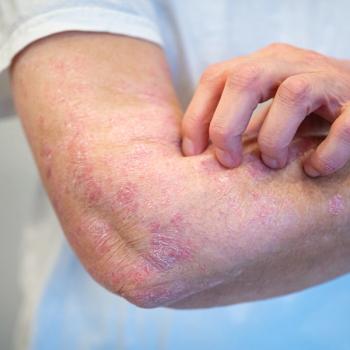
AC-201 at 25, 50, and 100 mg doses show promising phase 2 results, significantly reducing psoriasis severity.

High cow’s milk- and casein-specific IgE levels were key risk factors for reactions, including anaphylaxis, during low-dose oral food challenges in children.
The allergy medications of cetirizine or levocetirizine have led to pruritus in some patients who stopped using the medications after using them daily for a few months or years.

Miranti shared 2025 acne and rosacea trends, as well as an overlapping treatment option for patients with both conditions, at New Wave Dermatology.

At 2025 New Wave Dermatology, Zirwas highlights the most useful dermatology studies from the past 2 years, covering AD misdiagnosis, alopecia, contact dermatitis, and more.


A study reveals CoMiSS effectively monitors symptom improvement in infants with cow's milk allergy during elimination diets, guiding dietary adjustments.
FDA accepts BioCryst’s NDA for berotralstat oral granules in kids with HAE; priority review granted. Approval could bring first oral prophylactic for kids aged <12 years.

A study reveals that two-thirds of children with high-risk cow's milk allergies tolerate baked milk, suggesting potential for early allergy management.

New findings reveal that timing of antihypertensive medication—bedtime vs. morning—shows no significant impact on health outcomes for frail older adults.

A study shows that many children with pollen allergies face ongoing symptoms into adulthood, highlighting the need for better management.

Advanced biological aging significantly associated with the dementia risk, a new study found.

A study reveals key risk factors for anaphylaxis from non-severe drug hypersensitivity, emphasizing the need for caution in drug administration.

New research reveals older adults face higher anaphylaxis risks from medications and IV contrast, often presenting with severe symptoms and outcomes.

A recent study reveals that anaphylaxis rates remain stable during the COVID-19 pandemic, despite reduced emergency visits.

In a recent review, experts answer frequent questions allergists have about conducting proximity challenges in patients with food allergy anxiety.

Patients with hereditary angioedema experience high adherence and persistence rates with berotralstat, lanadelumab, and SC-pdC1-INH for long-term prophylaxis.

Digital inhalers enhance asthma control and reduce severe exacerbations, offering promising benefits with minimal harm for patients struggling with adherence.

New research reveals Medicaid unwinding disrupts chronic medication access for young adults, risking health and treatment outcomes amid enrollment losses.

AI enhances prediction, diagnosis, and treatment of allergic diseases including asthma, atopic dermatitis, and food allergies, offering personalized, efficient care.

New research uncovers unique brain abnormalities linked to sleep disorders and deprivation, revealing insights into emotional and cognitive impacts.
Recent psychiatry updates reveal setbacks and breakthroughs in treatment, including Cobenfy's trial results, evolving patient-provider dynamics, and rising binge drinking among young women.

New research links high smoke pollution to increased respiratory hospitalizations in older adults, highlighting urgent health risks from wildfires.

Johnson & Johnson announced the approval of FcRn blocker nipocalimab for adults and children > 12 years who are AChR or MuSK antibody positive.

Alto Neuroscience developed an EEG biomarker that predicts placebo response in MDD trials, potentially improving drug effect detection and reducing trial variability.

Patients with HαT showed a 13% prevalence of drug-induced anaphylaxis, with greater risk tied to antibiotic- and monoclonal antibody-triggered reactions.