

In a new study, esketamine nasal spray improved anhedonia in treatment-resistant unipolar and bipolar depression, independent of general symptom changes.

Chelsie Derman is an associate editor for HCPLive who covers allergy and psychiatry. She joined MJH Life Sciences in September 2023 after graduating from The College of New Jersey with a bachelor’s degree in journalism and professional writing. In her free time, she enjoys creative writing and reading.
She can be reached at [email protected].
In a new study, esketamine nasal spray improved anhedonia in treatment-resistant unipolar and bipolar depression, independent of general symptom changes.

Four allergens not on the FDA or EFSA food allergy list show high frequency in a recent study. Anaphylaxis induced by goat or sheep milk led to 2 deaths.

The FDA has approved Ionis Pharmaceuticals' donidalorsen to prevent HAE attacks in adults and children over 12 years.

A recent study shows combined treatment increases total and N3 sleep in just 3 days for patients with comorbid insomnia and depression.

A discrete choice experiment revealed food allergy treatment preferences among adolescents, with efficacy ranking as the most important attribute.
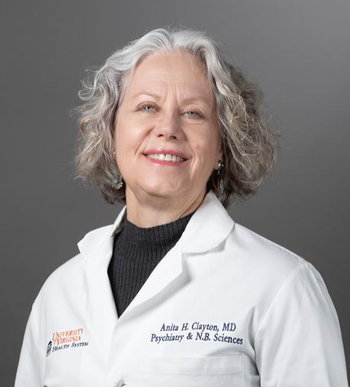
Single-dose psychedelic therapy (RE104 30 mg) shows rapid improvements in postpartum depression, offering a potential alternative to slow-acting therapies.

A review estimated that eliminating cerebrovascular disease could have prevented 1.5 to 1.8 million US dementia cases in 2020.

Survey reveals persistent misconceptions about blood pressure thresholds, symptoms, and management, with most patients willing to act on clinician advice.

Multicenter study finds most children with anaphylaxis can be safely discharged within 2 hours, with 4 hours for those with cardiovascular involvement.

A new advisory highlights cephalexin’s efficacy and low cross-reactivity risk, supporting its safe use in patients with penicillin allergy.

New research confirms that adrenaline is safe and effective for anaphylaxis, debunking myths.

Phase 4 data reveal esketamine outperforms standard antidepressants in reducing insomnia and boosting next-day well-being in patients with TRD.

Meta-analysis finds omalizumab and remibrutinib most effective for chronic urticaria unresponsive to antihistamines; cyclosporine has greater risks.

Real-world review finds Black patients report fewer dupilumab-related adverse events than White patients.

In a Chinese cohort, baricitinib achieved high hair regrowth rates in alopecia areata, totalis, universalis, and eyebrow/eyelash loss, with no serious adverse events.

Survey and RESONATE trial data suggest a -0.22-point drop in the Combined Symptom and Medication Score signal meaningful benefit.

A study links the use of nasal corticosteroids to a greater risk of SARS-CoV-2 infection in adults, but not in children.
FDA grants Fast Track to NRX-100, the first preservative-free IV ketamine, for treating suicidal ideation in depression.
After overcoming 2 FDA rejections, PharmaTher secures approval for ketamine (KETARX) in surgical pain.

One year after neffy's approval, 4 clinicians and 1 PharmD examine its continuing impact on the field.
Teva’s AJOVY (fremanezumab) becomes the first CGRP antagonist approved by the FDA for pediatric patients with episodic migraine.

In this large study, oral berotralstat resulted in early and sustained reductions in HAE attack rates, offering a promising long-term prophylaxis option.
This July psychiatry month in review features FDA news, depression trials, links between healthy habits and mental health, and SoCal Psych 2025 highlights.

In a study of children with food allergy and atopic dermatitis, longer dupilumab use was associated with significantly lower food-specific IgE levels.

A 4.5 mm cut-off using the Skin Prick Automated Test showed comparable accuracy to the standard skin prick test in detecting birch pollen and house dust mite allergies.
This month in review spotlights 6 headlines, from the FDA approving sebetralsta for HAE to NICE Recommending Betula Verrucosa for Birch Tree Allergy.

Three-year PIONEER data show avapritinib provides lasting symptom relief in indolent systemic mastocytosis with good safety.

An online course, AllergyAware, significantly improved school personnel’s ability to recognize and manage anaphylaxis.

A new study found patients with HS are significantly more likely to develop new-onset depression and anxiety, regardless of disease severity.

A randomized trial found pharmacist-led counseling improved allergic rhinitis symptom control but did not enhance adherence, knowledge, or quality of life.