

Short-term treatment with rosuvastatin was not linked to changes in insulin resistance markers in a cohort of children with familial hypercholesterolemia.
Connor Iapoce is the assistant managing editor for HCPLive, after joining the MJH Life Sciences team in April 2021. He graduated from The College of New Jersey with a degree in Journalism and Professional Writing. He enjoys listening to records, going to the movies, and playing with his cat, Squish. You can reach him at [email protected].
Short-term treatment with rosuvastatin was not linked to changes in insulin resistance markers in a cohort of children with familial hypercholesterolemia.

Individuals were more likely to communicate about sleep during depressed mood episodes.

Study data suggest the observed to expected ratio of VAU for the United States cases reports was comparable for all 3 approved vaccines.

Individuals who reported three cumulative insomnia symptoms of DIS, DSM and NRS had 40% increased risk of future bloodstream infection.

Children in the RLRL group had less myopia progression and axial elongation compared with those in the sham device control group.

The presence of SRF or PED was not significantly associated with worse visual acuity at any time point during the observation period.

Black/African American individuals are more likely to have an amputation within the first year following DFU, while women appeared to have a greater likelihood of delayed amputation.

Eyes with preoperative inner microcystoid changes had significantly worse postoperative and final visual acuity.

These reductions were only observed in short-term follow-up and were driven by early reductions within 12 months of telemedicine intervention.
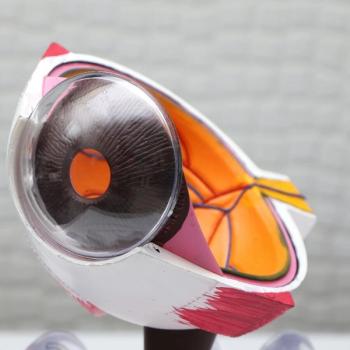
Study findings suggest that some cases of secondary glaucoma occur up to 16 years after the original cataract surgery.

Young adults with a high cumulative alcohol burden had up to 25% higher risk of incident AF.

The mean LDL-C level among US young adults was 104.9 mg/dL In 2015-2020.

Macular atrophy and hyperreflective material were common after 7 years of follow-up in IVAN trial.

Lower prescriptions for racial, ethnic groups relative to White, non-Hispanic patients remained after accounting for patient- and system-level characteristics.

The phase 3 trial met its primary endpoint of mean rate of growth in GA area at 12 months with statistical significance and a favorable safety profile.

Mean systolic blood pressure increased by 5.09 mm Hg immediately after implementation of automated monitoring.

The 3-D technology was able to produce custom frames with a successful fit for patients with craniofacial anomalies at risk of vision loss.

Serum total cholesterol, HDL-C, and LDL-C were associated positively with IOP, while triglyceride levels may be associated negatively.
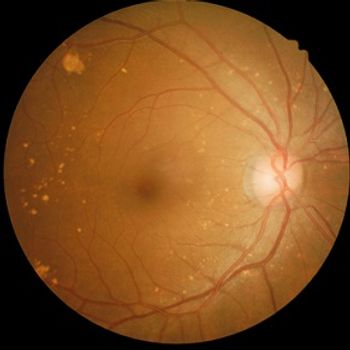
The strongest risk factor for RVO was identified as nonideal blood pressure, followed by nonideal body mass index.

A lower SPPB score was associated with greater risk of composite and individual CVD outcomes.

Temperatures changes between summer and the rest of the year correlated with the magnitude of decrease in renal function during summer.

Increased risk of AF by fish oil supplement was found to be prominent in low risk participants with healthy lifestyles.

Full-dose anticoagulation, but not clopidogrel, reduced thrombotic complications in critically-ill patients with COVID-19.

Digital screening more than doubled the detection rate of treatment-relevant AF in both phases of eBRAVE-AF trial.

Targeting a mean arterial blood pressure of 77 mm Hg or 63 mm Hg was not associated with significantly different percentages of patients dying or having severe disability or coma.

SGLT2 inhibitors reduce the risk of hospitalization for heart failure, extend survival, and improve overall health status, irrespective of ejection fraction, in patients with heart failure.

The treatment strategy led to lower risk of major adverse cardiovascular events than usual care in older patients with recent myocardial infarction.

The risk of coronary heart disease and stroke decreased by 22% for every 1 point rise in the sleep score at baseline.
Pegcetacoplan treatment effect accelerated between months 18-24 at reducing GA lesion growth in phase 3 DERBY and OAKS.

Hybrid visits were primarily for glaucoma (45.1%) and retinal issues (53.1%).