

Cataract surgery–related risk of CME among patients with RP may be 4 times greater than those without RP.
Connor Iapoce is the assistant managing editor for HCPLive, after joining the MJH Life Sciences team in April 2021. He graduated from The College of New Jersey with a degree in Journalism and Professional Writing. He enjoys listening to records, going to the movies, and playing with his cat, Squish. You can reach him at [email protected].
Cataract surgery–related risk of CME among patients with RP may be 4 times greater than those without RP.

The findings hypothesize that MNV may protect against the progression of atrophy.

The study data show prechoroidal cleft was found in 15% of Caucasian nAMD patients treated with anti-VEGF injections and was related to greater retinal and PED height.

The monitoring strategy used a self-operated artificial-intelligence–enabled home monitoring system in conjunction with standard care for early detection of nAMD.

The findings indicate a discrepancy between racial and ethnic demographic data in RCTs of DME and RVO and the 2010 US Census population.

Genetic factors previously known to predispose people to hyperopia were not risk factors for clinically significant depression in the study.

National coverage of MTMs for diet-related diseases may be associated with 1.6 million averted hospitalizations and net cost savings of $13.6 billion annually.

Study data show 64.3% of patients self-administering etripamil converted to sinus rhythm within 30 minutes compared to 31.2% on placebo.

AI-enabled retinal imaging can accurately predict CVD and death, without the need for blood tests or BP measurement, according to the findings.

Fifteen out of 17 studies in a systematic review indicated that the HRD number decreased after DME treatment.
A post-AAO 2022 discussion on avacincaptad pegol in GA and what this groundbreaking treatment represents in filling a currently unmet need.

The beneficial effect of intensive BP control on cardiovascular and all-cause mortality was attenuated during 4.5 years of post-trial after SPRINT.

The glycemic gap was a stronger predictor of in-hospital mortality among adults with diabetes or hyperglycemia hospitalized for COVID-19.

Paxlovid is effective in patients with existing heart disease, but has significant DDIs with commonly used cardiovascular medications.

Mobile health technology to detect AF led to a high rate of false positives in patients with certain cardiac conditions.
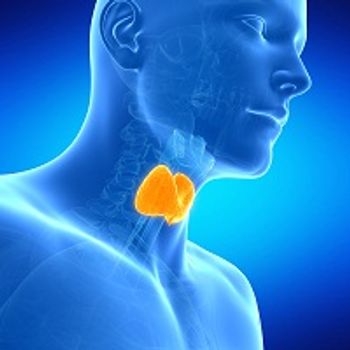
Daily administration of AZP-3601 enabled 93% of patients to discontinue standard of care therapy and maintain target mean serum calcium.

A Mediterranean-type diet was associated with slower GA enlargement in a recent post-hoc analysis.

Multivariable models suggest the leading markers of incident DR and progression to PDR were duration of diabetes and use of insulin.

Sotatercept added to background therapy demonstrated significant improvement in exercise capacity compared to placebo.

New data indicate a statistically not significant increase in the rate of treatment for PH, but investigators stress its potential clinical importance.

More than 80 000 pterygium excisions in the IRIS Registry suggest young, male, and publicly insured patients had an elevated risk of reoperation within 5 years.

Both drug classes would improve type 2 diabetes outcomes as first-line agents, but costs would be need to be reduced by at least 70% to be considered cost-effective.

Greater psychological resilience was associated with lower BMI, fewer hospitalizations, and greater mental QOL in the T2D population.

The observed reductions in CV mortality in patients treated with dapagliflozin were primarily due to lower rates of HF and sudden death.

The SpyGlass IOL platform showcased a 45% drop in mean intraocular pressure at 3 months in first-in-human glaucoma trial.

Safety data of the bioerodible sustained delivery intravitreal anti-VEGF treatment indicate no ocular or systemic serious adverse events with mild adverse events.

A discussion into safety data from the Phase 3 DERBY and OAKS trials on pegcetacoplan with Dr. Boyer at AAO 2022.

Two-year results from YOSEMITE and RHINE suggest that the positive results of faricimab for DME in year one carried into second year. Dr. Caroline Baumal joins for an in-depth discussion on the findings.

Faricimab treatment for both DME and nAMD was able to reliably get to 16 week dosing in 60% of eyes from YOSEMITE and RHINE and TENAYA and LUCERNE.

The 48-week results suggest robust CST reduction and visual gains with faricimab up to every 16 week dosing, comparable with aflibercept ever 8-weeks.