
This listicle highlights 5 major approvals and 5 trial updates in cardiovascular care from 2024.
Connor Iapoce is the assistant managing editor for HCPLive, after joining the MJH Life Sciences team in April 2021. He graduated from The College of New Jersey with a degree in Journalism and Professional Writing. He enjoys listening to records, going to the movies, and playing with his cat, Squish. You can reach him at [email protected].
This listicle highlights 5 major approvals and 5 trial updates in cardiovascular care from 2024.

Concizumab marks the first subcutaneous injection treatment for hemophilia A or B with inhibitors, demonstrating an 86% reduction in bleeds in pivotal trial data.

Glycemic control continues to be a major risk factor for diabetic retinopathy, while overweight, obesity, and hypertension are growing in prevalence.

Yehuda Handelsman, MD reflects on the WCIRDC 2024’s comprehensive approach to advancing cardiometabolic care through multidisciplinary collaboration.
Tirzepatide's approval marks the first and only prescription medicine available for adults with moderate-to-severe obstructive sleep apnea and obesity.

CagriSema, a fixed dose of cagrilintide 2.4 mg and semaglutide 2.4 mg, achieved statistically significant weight loss after 68 weeks versus placebo.
Olezarsen ushers in a new era of care as the first therapy to receive FDA approval for adults with familial chylomicronemia syndrome as an adjunct to diet.
Yehuda Handelsman, MD highlights insulin resistance’s role in cardiometabolic disease and introduces DCRM 2.0 as a global, multi-specialty care framework.
Submission of the Biologics License Application seeks approval of lerodalcibep to lower LDL-C in patients with or at risk for ASCVD and primary hyperlipidemia.

Nathan D. Wong, MPH, PhD discusses the evolution of Lp(a) in risk assessment, given its role as a genetic risk factor for cardiovascular complications.

Laurence Sperling, MD described the evolving role of cardiologists in obesity care, particularly with the increasing adoption of therapies such as GLP-1 agonists.
Laurence Sperling, MD shares insights into a multi-disciplinary approach to the management of obesity from the perspective of a cardiologist.

Schafer Boeder, MD describes the potential role and safety of adjunctive therapy, including SGLT2 inhibitors and GLP-1 agonists, for patients with T1D.

Observational data point to aldosterone dysregulation as an underrecognized risk factor for hypertension and confirm T2D as a known risk factor.

Alice Cheng, MD, discusses the impact of diabetes on cognitive function and the emerging role of diabetic drug classes in dementia care.

Orly Vardeny, PharmD, MS explores the efficacy of nonsteroidal MRAs in heart failure with mildly reduced or preserved ejection fraction in the FINE-ARTS trial.

Matthew J. Budoff, MD discusses the effects of obesity and cardiometabolic complications in the contemporary management of type 1 diabetes.
Crinecerfont is indicated to be used with glucocorticoids to control androgen levels in adults and pediatric patients with classic congenital adrenal hyperplasia.

Jennifer B. Green, MD highlights the successful implementation of evidence-based therapies for high-risk patients with type 2 diabetes.

Ralph A. DeFronzo, MD discusses the Noxious Nine and the impact of hypercortisolism on difficult-to-control type 2 diabetes.

Matthew Weir, MD discusses how a multidisciplinary approach is reshaping CKD management, with a focus on mitigating cardiovascular events.

Erin Michos, MD examines unique HFpEF mechanisms for women and implications for sex-specific treatment.
Patients with hypercortisolism and difficult-to-control type 2 diabetes who received mifepristone exhibited a significant HbA1c improvement in the Phase 4 trial.

Elevated blood insulin levels and insulin resistance each contributed to an elevated risk of colorectal cancer, a new study finds.
The FDA-approved Scanly, a home-based OCT device, revolutionizes nAMD care by empowering patients with self-monitoring and enhancing personalized treatment.

Topline results from APPULSE-PNH show the positive efficacy and safety of twice-daily oral iptacopan in adults with PNH switched from anti-C5 therapies.

Dexamethasone treatment was linked to worse clinical outcomes in patients with sickle cell disease hospitalized for COVID-19.
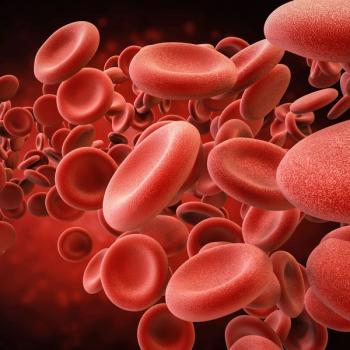
Anemia in heart failure with preserved ejection fraction was linked to right ventricular dysfunction in an analysis of more than 1000 patients in China.
The FDA affirmed the planned NDA content and format for Anaphylm expected in Q1 2025, without requiring additional adult clinical trials before submission.
As announced by NovelMed on December 2, 2024, the FDA has granted IND clearance for Ruxoprubart to commence an efficacy trial for the treatment of IgAN.