

Data show a patient aged 65 years would have an extrapolated mean event-free survival of 6.2 years for placebo and 8.3 years for dapagliflozin, at a gain of 2.1 years.
Connor Iapoce is the assistant managing editor for HCPLive, after joining the MJH Life Sciences team in April 2021. He graduated from The College of New Jersey with a degree in Journalism and Professional Writing. He enjoys listening to records, going to the movies, and playing with his cat, Squish. You can reach him at [email protected].
Data show a patient aged 65 years would have an extrapolated mean event-free survival of 6.2 years for placebo and 8.3 years for dapagliflozin, at a gain of 2.1 years.

Data show dapagliflozin was projected to add 0.63 quality-adjusted life-years at an incremental lifetime cost of $42, 800.

A new study finds a 2-step chronic pain screening process helped identify patients in primary care with previously undocumented chronic pain.

Data show no significant difference in time to first heart failure rehospitalization or death compared to usual care in patients with HFrEF.

In part 2 of an interview with HCPLive, Ty Gluckman, MD discusses both the advantages and disadvantages of technology replacing traditional care.

Marc Bonaca, MD discusses the personalization of treatment in PAD patients, lack of proper research into the condition, and optimizing delivery of care.
Ty Gluckman, MD speaks on the use of medical technology, including wearables and and telemedicine, and the growing importance of mobile health.

Harold Bays, MD discussed the effectiveness of GLP-1 RA in treatment, as well as the development of oral semaglutide.

Peter Toth, MD discusses the combination treatment aspects of lipid management agents, as well as the effect of the COVID-19 pandemic on cardiovascular care.
Peter Toth, MD, discusses the movement towards new agents in treatment of lipid management.

New guidelines on aortic valve implantation in risk groups with aortic stenosis shifted from risk strata to a focus on patient age and life expectancy.

Data show a significant association between wearable tracker use and increased physical activity during a 15-week period.

Data show while women with GDM wanted to be responsible for their own health, an annual reminder and combined appointments would help to screen for T2D.

Data show no significant difference in survival rates in the canukinumab group (88.8%) compared to placebo (85.7%).

Data show postoperative initiation of factor XI inhibition was effective method for reducing the risk of VTE following total knee arthroplasty.

Data show total amount of patients pre-guideline was 558,175 compared to 532,962 patients after the release of the guideline.

Data show 3 life-threatening adverse events required intervention, but were unrelated to buprenorphine induction.
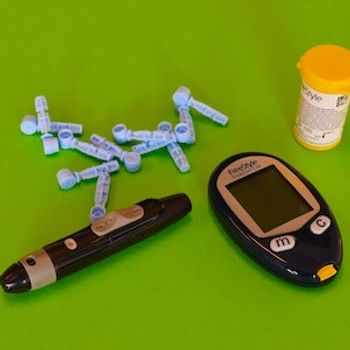
Data show risk factors included education level and increased glucose level did not have signficant impact on BMI and body fat of children.

Enrollees with OUD receiving medication treatment increased from 47.8% in 2014 to 57.1% in 2018

A new statement from the AHA and American Stroke Association stressed the need to address gaps in care that may lead to high risk of stroke recurrence.

Data show both microvascular and macrovascular outcomes were significantly improved following bariatric intervention in patients with obesity.

Data show SGLT2is reduced HHF in patients with both stablished HFrEF and CKD and are likely to also be effective in patients with HFpEF.

Data from COMPASS show adding low-dose low-dose rivaroxaban to aspirin resulted in benefits regardless of number of concomitant drugs or comorbidities.

Dr. Manesh Patel shares perspective on the "renaissance of anti-thrombotic therapy" for patients at risk of cardiovascular events.

Physicians who performed well on ABIM examination less likely to prescribe opioids for back pain compared to physicians who did not perform well.

Schuyler Jones, MD discusses risk stratification in CAD/PAD and treatments aimed at atherothrombosis.

Growing evidence shows promise of stroke prevention with anti-thrombotic therapy in patients with AF.

The EMPEROR-Preserved trial demonstrated safety and efficacy of empagliflozin for patients with heart failure across spectrum of ejection fraction.

FDA cites pharmacokinetic comparability considerations remained outstanding, while no clinical deficiencies on efficacy and safety were reported.

Dennis Bruemmer, MD discusses new agents and perspectives on care in treating patients with type 2 diabetes at high risk of CV, renal complications.