

The first iteration of Crisis Point addresses the obesity crisis in the United States and beyond, with expert interviews and discussion.
Connor Iapoce is the assistant managing editor for HCPLive, after joining the MJH Life Sciences team in April 2021. He graduated from The College of New Jersey with a degree in Journalism and Professional Writing. He enjoys listening to records, going to the movies, and playing with his cat, Squish. You can reach him at [email protected].
The first iteration of Crisis Point addresses the obesity crisis in the United States and beyond, with expert interviews and discussion.

Data show the overall risk difference between the first and second doses of BNT162b2 was 1.76 per 100,000 persons.

In the primary endpoint, patients with severe HF had a 20% risk reduction compared to no significant treatment benefit in patients without severe HF.

Hospitalization rates from the baseline to Cycle 3 decreased 19% from 0.52/person/year to 0.43/person/year

Proposed new guidelines recommended against low-dose aspirin use for primary prevention of CVD in adults age 60 years or older, citing adverse effects.

Dr. Ponder continued his discussion on technology use in pediatric T1D care, focusing on a multidisciplinary care angle and different concepts in treatment.
Dr. Ponder discusses the importance of both clinician and patient learning about new diabetic technologies, focusing on their utility and limitations in the care process.

Dr. Buchholz discussed the idea of screening and intervening in patients with food insecurity, both in the clinical setting and in the community.

A significantly increased risk of hospitalization from pneumonia was observed due to haemophilus influenzae.
Dr. Buchholz discusses who is most at-risk of food insecurity and comorbid factors that stem from lack of access to healthy food.

Fever is present in both KD and MIS-C, but there is lower prevalence of the 5 KD defining clinical features in MIS-C.

Dr. Erickson discussed screening for children prone to sudden cardiac arrest and sudden cardiac death based on an updated AAP policy statement.

Dr. Michalsky observed challenges in pediatric bariatric surgery, specifically growing consensus on its use, the use of BMI, and access to treatment.
Dr. Michalsky discusses the utility of bariatric surgical options in patients with a high body mass index.
Episode 4 of Crisis Point asks the question you've been waiting for, "What is blueprint to resolving the obesity crisis?"

Data show 5 of 20 patients with history of MBS in the study experienced the primary composite outcome of IMV and/or death by day 7.

Differences in CV risk factors persisted between Black participants and White participants and may be due to social determinants of health.

Factors associated with decreased receipt of ophthalmic telehealth care included older age, male sex, and patients with an educational level of high school or less.

Diabetes progression included greater likelihood of insulin treatment initiation, hyperglycemia, glycemic complications, and glucose-lowering prescriptions.

Investigators noted the relationship of reading performance with visual acuity supports the validity of reading performance as end point in clinical trials.
Episode 3 of Crisis Point examines the regional differences in obesity, from issues with nutrition and food insecurity to the use of the phrase "food desert".

Data show SGLT2 inhibitor therapy, in comparison to GLP-1 RA therapy, was associated with slightly lower risk for myocardial infarction (MI) or stroke in patients with CVD.

Data show the 20-year cumulative incidence of AVR was 3.4% in mild AS, 20.2% in moderate AS, and 54.6% in severe AS.

The mean number of injections per year was 6.2 ± 1.4 injections following 1 year of treatment in 2007 - 2010 and 8.3 ± 2.0 injections in 2016 - 2017.

In patients with T2D without prior CVD, chronic kidney disease was the single risk factor associated with highest risk of MACE.

Analysis data show 3 times more risk of intensive care unit care in patients with venous thromboembolism compared to non-VTE patients (RR: 2.78).
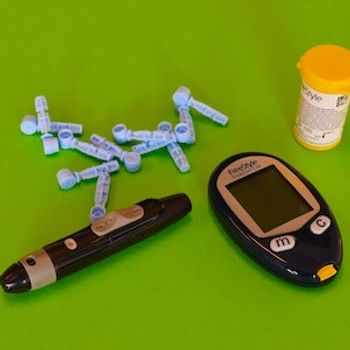
Sotagliflozin reduced HbA1c by 0.42% and heart failure by 32% in comparison to placebo.

Hazard ratios for CHD included 1.57 for cumulative LDL-C level, 1.69 for TWA LDL-C level, and 0.88 for LDL-C slope.
Episode 2 of HCPLive Crisis Point tackles the clinical aspects and potential burdens clinicians face in the pursuit of obesity care.

Baseline VA show slight improvement in aflibercept versus ranibizumab treated eyes, (42.5 letters versus 36.9 letters).