

Prefrontal anodal transcranial direct current stimulation is more effective in treating ADHD compared to stimulation of the right inferior frontal gyrus.
Kenny Walter is an editor with HCPLive. Prior to joining MJH Life Sciences in 2019, he worked as a digital reporter covering nanotechnology, life sciences, material science and more with R&D Magazine. He graduated with a degree in journalism from Temple University in 2008 and began his career as a local reporter for a chain of weekly newspapers based on the Jersey shore. When not working, he enjoys going to the beach and enjoying the shore in the summer and watching North Carolina Tar Heel basketball in the winter.
Prefrontal anodal transcranial direct current stimulation is more effective in treating ADHD compared to stimulation of the right inferior frontal gyrus.

The most common complaint among patients was abdominal pain followed by diarrhea.

The relative contribution of genetic influences to psychotic experiences was lower with increasing environmental exposure for paranoia, cognitive disorganization, grandiosity, and anhedonia.

Patients with dementias also had higher levels of NA-OXS, as did psychotic and bipolar disorders.

In the study, 2.10% of patients with Crohn’s disease and 1.90% of patients with ulcerative colitis were diagnosed with colorectal cancer.

Mean inattention scores were about 5 points lower in the tDCS group compared to the sham treatment group.

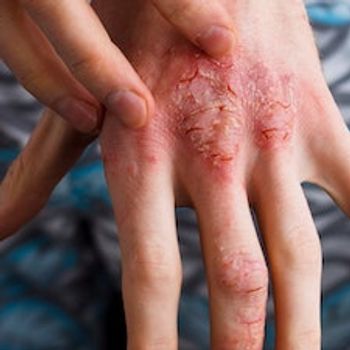
Investigators from found that 12.12% of patients with a previous skin disease diagnosis developed an adverse skin reaction following a COVID-19 vaccine injection.
Dr. Levine talks with Dr. Lisa Harding about how clinicians can best improve patient care in psychiatry.

A larger circadian photoreceptor responsivity was significantly linked to a later dim-light melatonin onset in light drinkers.

Dr. David Hudesman expects drug developers to continue to target biologics for the treatment of IBD.

Repeated metabolite monitoring with subsequent dose optimization resulted in 67.2% of patients achieving therapeutic levels after 1 year and 87.8% of patients achieving steroid-free remission, while 90% had no therapy escalation or surgery.

Patients treated with LAIAs had a lower risk of hospitalization for any cause, hospitalizations for psychiatric disorders, hospitalizations for schizophrenia, and incident suicide attempts compared to patients treated with oral antipsychotics.

Symptom flare-ups in patients on a gluten-free diet were significantly lower than in patients on a high-gluten diet.

The prevalence of suicidal was 10.9% in studies that included child-reported outcomes for child only and 10.4% for child and parent combined.

The association with depressive symptoms was greater when race, ancestry, or national origins among Hispanic or Latino participants was the main reason for discrimination.

The 10-year cumulative incidences for HCC and mortality were significantly higher in the HBV cohort with heavy alcoholism than it was for either HBV alone or alcoholism alone.
There are several early phase trials underway for new hepatitis B virus treatments.
The goal for many is to eradicate HCV by the year 2030.

The patients prescribed stimulants were more likely to not have coexisting conditions than those treated with A2A.

Patients with autism had a fivefold increase in adjusted relative risk of self-harm.
New sensitizations to 2 or more allergens between baseline and 12 months were significantly lower in the sublingual group, compared to the control group.

There was a direct association between consuming honey, ham, seafood, organ meats, salt, fruits on trees, fruit juice, olive, and nuts and the probability of developing IBD and ulcerative colitis.

The investigators found the overall age-standardized prevalence of depression based on the CIDI-SF scale was 5.7%, significantly higher than the self-reported rate of 0.5%.

The only adverse event identified was mild nausea for a duration of 10-21 days.

A survey of 10,325 individuals shows 30.2% of healthcare workers likely meet the diagnostic criteria for clinical depression.

Dr. Sanyal talks about the importance in having ongoing real-world data for NAFLD and NASH.

Patients who use cannabis for physical health and mental health had poorer health and mental health compared to those in the non-medicinal cannabis use only group.

During follow-up, 2.6% of the patients were diagnosed with depression, while 32.1% were treated with antidepressants.

There was a positive correlation between parental burnout, emotional schemas, and insomnia or hypersomnia.

The relationship between hours of electronic device use and psychological distress was not mediated by insomnia.