

PASI 100 was achieved by 28% of patients in week 4, 89% in week 12, and 68% in week 36.
Kenny Walter is an editor with HCPLive. Prior to joining MJH Life Sciences in 2019, he worked as a digital reporter covering nanotechnology, life sciences, material science and more with R&D Magazine. He graduated with a degree in journalism from Temple University in 2008 and began his career as a local reporter for a chain of weekly newspapers based on the Jersey shore. When not working, he enjoys going to the beach and enjoying the shore in the summer and watching North Carolina Tar Heel basketball in the winter.
PASI 100 was achieved by 28% of patients in week 4, 89% in week 12, and 68% in week 36.

At 14 week, 33% of patients in the 210 mg induction etrolizumab group were in clinical remission, compared to 29% of the placebo induction group.

Approximately 5% of nurses in Mozambique were infected with hepatitis B virus during a 3-month period in 2020.

Several factors that impaired healing included former smoking and seton insertion.

The Recap of Atopic Eczema (RECAP) and Atopic Dermatitis Control Tool (ADCT) were recommended to measure eczema control.

Women who were socially isolated were more likely to have insomnia than women who were socially integrated.

Overall, secukinumab was more effective in biologic-naïve patients and in patients with a lower body mass index (BMI).

The Qazi Corner will be a quarterly newsletter led by Taha Qazi, MD, of the Cleveland Clinic and featuring new data, conference highlights, and perspectives of leading gastroenterologists.

The estimated annual percentage change was signficiantly associated with a baseline age-standardized incidence rate of less than 5500 per 100,000 individuals.

The slight benefit could be attributed to a lower than expected adherence to screening requests.

An increase of 1 microgram/m3 in PM2.5 or 1% in toxic releases equates to an increase in the IBS incidence rate of about 0.02 cases per 100 person-years.

There is no evidence in the value of screening for depression in individuals aged 11 years and younger.

In total, 64.9% of patients who achieved clinical response with ustekinumab during induction were in symptomatic remission after 44 weeks.
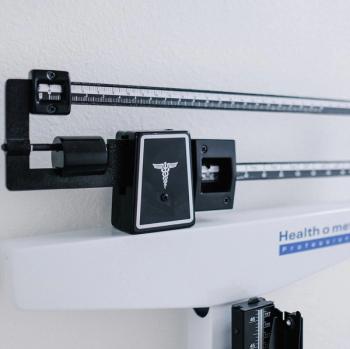
The risk of primary composite cardiovascular outcomes was reduced by 47%, while the risk of secondary cardiovascular disease outcomes was reduced by 50% in patients with bariatric surgery compared to nonsurgical patients.

In Philadelphia, 28% of the patient population was unscreened, with the factors associated with lower risks of being unscreened generally associated with a higher HCV positivity rate.

The approval, awarded to Alnylam Pharmaceuticals, is based on the results of the ILLUMINATE-C phase 3 trial.

The results also show a bigger increase among adults between 2012-2017, which could be due to increased sensitivity of diagnosis.


Recent qualitative studies found social isolation in patients with IBD is 1 of the main obstacles to leading a normal life.

A duration-response analysis of 1-mg dosage produced a 5% decrease in suicidal events per month of additional treatment.

The new recommendations call for posterior partial fundoplication over total posterior or anterior 90° fundoplication in adult patients with GERD and anterior >90° fundoplication as an alternative.

Overall, 30.60% of pediatric patients who presented to the emergency department with mild head trauma were diagnosed with ADHD, compared to 8.96% of the control group.

The risk of cirrhosis increased supramultiplicatively in patients with obesity, with excessive drinking, and who were homozygous carriers.

Vedolizumab was linked to an increased risk of treatment failure compared to TNF antagonists.

ADHD and ODD dimensions were associated differently with different types of impulsivity, with unique patterns of network connectivity.
The FDA approved risankizumab for patients with Crohn's disease in June.

The investigators identified Osteoprotegerin in the serum of dupilumab treated patients, which could act as a predictor for clinical outcomes of dupilumab treatment.
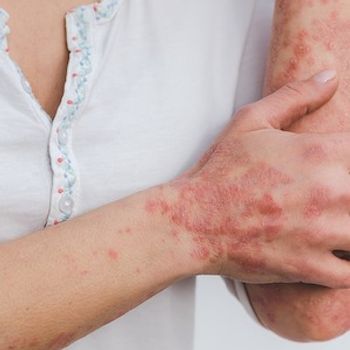
The treatment resulted in significant improvements in the Eczema Area and Severity Index (EASI) scores and patient-reported outcome measure scores.

The majority of patients treated with systemic therapies were treated with dupilumab, while 3.2% patients received a combination of systemic therapies.

The investigators found minor differences in the microbial community structure between the control group and the chronic HCV group.