

The nasal spray was shown to reduce relapse in patients who achieved remission or stability after 16 weeks of treatment plus antidepressant.
The nasal spray was shown to reduce relapse in patients who achieved remission or stability after 16 weeks of treatment plus antidepressant.

The common, concerning adverse effect requires a careful eye from clinicians and new therapy options.
The approval is based on the findings of a 106-adult patient trial which assessed mean weekly headache episodes.

Patients with the rare cancer condition requires both a collaborative physician network and proven therapies.
New phase 3 trial results show the monoclonal antibody plus pomalidomide and dexamethasone improves progression free survival and overall response rate among patients with RRMM.

Phase 3 results show the therapy plus recombinant human hyaluronidase is comparably safe and effective for patients with relapsed-refractory multiple myeloma.

New findings better evidence the link between long-term COPD exacerbations and poor patient sleep quality. How well-understood is the association between sleep and pulmonary conditions?

An assessment of the CanCOLD study showed that COPD exacerbations over 18 months were greater in patients with worse scores for sleep quality at baseline.

The rare, chronic condition requires investigators to turn to unique registries and other patient populations to access therapy benefits.
The molecular-based assays are designed to more accurately diagnose the approximate 21 million cases in the US annually.

BioMarin announced the investigative gene therapy reached pre-specified criteria for Factor VIII levels in adult patients with severe hemophilia A.
The first-in-class JAK1/JAK2 inhibitor from Incyte has become the first therapy to receive indication for these patients, which make up about half of the acute GVHD population.

The signs and symptoms of the rare, chronic condition are not consistently detected in the first line of care.

A new study from ATS showed an early symptom of Alzheimer disease is more prevalent in older patients with moderate OSA.
Sleep apnea is associated with pulmonary, cardiovascular, psychiatric, neurologic, and weight-related effects. Primary care physicians need to monitor sleep health more.

Previous analyses into MultiStem Cell Therapy have shown benefits and safety in stroke patients. What will it take for the therapy to reach a phase 3 trial for ARDS?

Within a week of treatment on the investigative biologic, patients with severe form of the condition were reporting a return of smell and taste.
Though the prostacyclin-targeting therapy selexipag is beneficial for PAH patients, investigators advise treatment to a trio of pathways.
Why are major adverse cardiovascular events not treated as the concern risk factors they are in patients with obstructive sleep apnea?
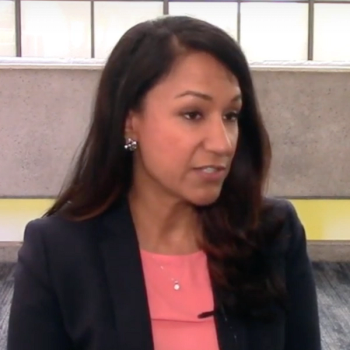
Upper airway stimulation, a sleep apnea treatment on the rise, is showing particular benefit for female patients.

Early-stage study results from the multi-center MUST-ARDS trial show the ex-vivo adult progenitor cell-expanding therapy is capable of improving 28-day mortality, care burden, and overall safety in patients with ARDS.

Mental health disorders are highly prevalent in certain patients with COPD—and their effect can limit lung function therapy benefit.

A multivariate cohort showed opioids in situation of critical care may not drive rates of continued use after 1 year.

The intracellular tyrosine kinases inhibitor has a similar benefit for patients with the rare, heterogenous associated form of ILD as it does for patients with IPF.

Does it matter whether federal and state regulations allow for a significant user population?
How new GRIPHON data showed further definitive long-term outcomes for patients with pulmonary hypertension.
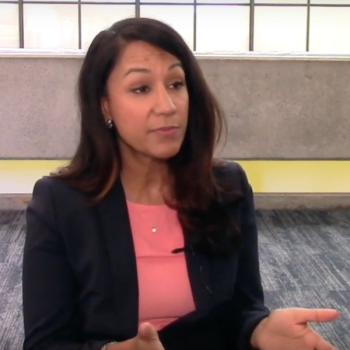
Why are diagnoses still significantly underwhelming for a chronic condition on the rise?
New Sunovion data at ATS 2019 shows expected trends of comorbidity effect on patients, and surprising results of care between men and women.

Investigators were seeking an alternative therapy for persistent asthma patients reporting insufficient benefit from mometasone, despite it being the guideline standard.

The Submitted Biologics Application for AR101, the first potential pediatric food allergy preventive therapy, will be considered on September 13.