

Studies show that more than 90% of EoE patients improve symptoms with food elimination therapy. Should more patients be in touch with allergists?
Studies show that more than 90% of EoE patients improve symptoms with food elimination therapy. Should more patients be in touch with allergists?

This is the third indication for the biologic therapy, following its approvals for adult AD and moderate to severe asthma maintenance care.
If approved by the FDA later this year, the Allergan drug would become the first oral CGRP receptor antagonist approved for acute migraine treatment.
The biologic has been previously approved for adult atopic dermatitis and uncontrolled asthma, and is being assesed for another half-dozen allergic/immunologic indications.

One of the pioneer investigators of ketamine for depression explains what its recent approval for a severe form of the condition means for patients running out of options.

The first generation of food allergy treatments is nearing the market. What could be next is more individualized therapies.

The nodular acne therapy has been a staple treatment for 3 decades, yet new AAD data showed it could still be better utilized in patients.
What other specialties should become more involved in the network of care for allergic patients?

Is the US population having allergies diagnosed correctly, and are allergies on the rise?
The Genentech therapy is currently the first and only single-dose oral medicine marketed for flu treatment, and was the first new flu medicine with a novel mechanism of action in 2 decades.
The therapy becomes the first novel mechanism of action-driven drug approved for depression in 30 years.

The 23rd FDA commissioner's tenure lasted less than 2 years, since May 2017.
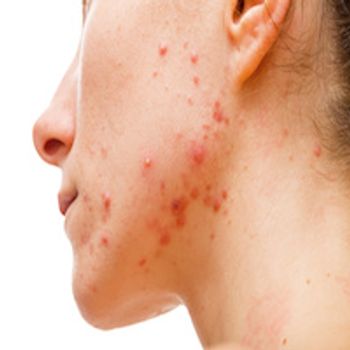
A new, long-term assessment of phase 4 data shows a twice-daily regimen of the common acne therapy can retain patient benefits weeks after treatment ends.

Results from the reSURFACE 1 phase 3 trial shows the biologic is beneficial to patient rates of anxiety, pain, and depression.

Investigators assessed patients’ scores for body surface area, static Physician Global Assessments, and Dermatology QoL Index at 1 month post-index, and at three-month intervals both pre- and post-index.

New data from AAD show the recently-approved biologic is among the most cost-saving therapies in year 2 of treatment, and beyond.

Investigators sought to evaluate the efficacy, safety, psychosocial impact, quality of life, adherence to and satisfaction with the treatment of dupilumab and add-on treatment.
The CNS stimulant was approved as an extended-released capsule intended to serve as a first-line ADHD therapy.
Pediatric peanut allergy trials have proven successful. Now where do researchers look next?

What does the typical patient have to treat aside from their allergy, and what are their treatment goals?
The 100 Units/mL/ 300 mcg/mL-dosed therapy was previously approved as an add-on therapy to diet and exercise in adults with T2D.

The new guideline centers on the overall diagnosis, management, and clinical treatment of the chronic inflammatory disease.

Have current guidelines been fitted to consider the future of immunotherapy research?
UNC investigators consider the role current food allergy trials may play in addressing gaps of knowledge on patient individualization.
The Medtronic platforms were shown in clinical trials to reduce repeat revascularization, cardiac death, and stent thrombosis in 1 year following procedure.
The loteprednol etabonate ophthalmic gel 0.38% was proven efficacious and safe in a pair of double-masked trials, and will reach the market by April 2019.

Why it may be critical to reassess dosing practices being practiced in investigative food allergy therapies.
Kim and Commins discuss what the next series of data on the investigative peanut immunotherapies may mean for the field.

The therapy was further assessed in asthmatic patients with comorbid chronic rhinosinusitis and with or without nasal polyposis.
UNC School of Medicine colleagues Edwin Kim, MD, MS, and Scott Commins, MD, PhD, explain how the discussion around food allergy care has progressed this year.