

As patients age, they become more susceptible to the cyclical factors that can drive insomnia severity.
As patients age, they become more susceptible to the cyclical factors that can drive insomnia severity.

Days after another couple of mass shooting tragedies, a team of psychiatry thought leaders discuss the public's understanding of mental health care.
What are the symptoms and patient complaints that comprise the common sleep disorder?

Analysis from the CARDIA Lung study found patients with worsened FEV1 are at greater risk for emphysema, regardless of their smoker status.

The therapy, which carries a Boxed Warning for liver injury risks, is indicated for patients who do not benefit from surgery.

A new cohort shows FLG loss-of-function variations are often different among AD pediatric patients with different ancestries.
Elizabeth Mack, MD, MS, of MUSC joins MD Mag for a discussion on parents, trauma, vaccinations, and more in pediatric care.

A new international cohort shows hospitals with a greater annual volume of PE patients often report better patient outcomes.

Here's a primer for new data and discussions MD Mag will be covering this weekend in Chicago.

Kodiak's KSI-301 was shown to have sustained benefit and safety in a phase 1a study involving patients with severe DME.
What resources shaped the most recent #DocTalk Tweet Chat on finding solutions in the physician burnout epidemic?
The prescription device can monitor and share reports on patient's sleep breathing patterns, leading to accurate symptom diagnoses.

A secondary analysis of a 10,000-patient study has linked lower levels of serum albumin to apnea risk in hospitalized infants.
Burnout non-profit founder Janae Sharp will lead a chat on what's working in addressing physician burnout—and what's still lacking.
On the first ever #DocTalk a trio of expert physicians weighed in on what drives the US drug shortage problem.

A new assessment of prevalence studies shows some countries could have an OSA prevalence rate of more than half their entire population.
A trio of emergency medicine experts headline our first entry in the weekly healthcare conversation on Twitter.
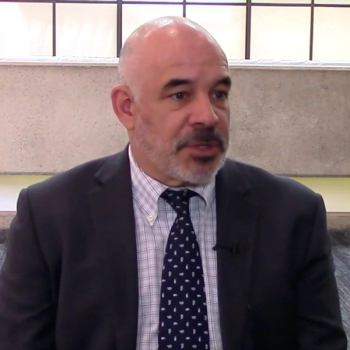
How physicians can use their academic, practice, and local legislative networks to improve awareness on their patients’ struggles.

Why a revised recertification strategy would be beneficial for practicing internists and cardiologists.
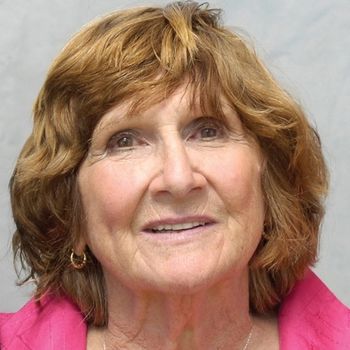
What new drug classes are catching the most traction among clinicians?

Regardless of which care provider is diagnosing and treating the patient, all must be aware of the treatment access burdens.
It may not be the glitziest addition to screening tools, but MRIs have stood out as a care-changing resource.
The role of a primary care physician in multiple sclerosis care should be minimal.

Both symptomatically and financially, patients and clinicians struggle to manage the condition in lieu of a cure.

Over time, clinicians have come to understand the most optimal use of the limited technological resources they have.

An assessment of programs designed to increase patient physical activity found additional benefits for patients' long-term health outcomes.
Starting July 17, the team at MD Mag will be hosting an hour-long conversation on the site’s host Twitter account with a guest expert from the field of healthcare.

How the institution has become involved in regional health education efforts, and national efforts to establish proper care protocol.
What is the role of a primary care physician in treating later-onset multiple sclerosis?
Why limited educational resources and a diverse population has made the region an area burdened by heart disease.