

Regardless of how changes in testing have impacted C difficile numbers, investigators say there is room for improvement.
Regardless of how changes in testing have impacted C difficile numbers, investigators say there is room for improvement.
Vancomycin 125 mg once or twice daily might help patients who are at the highest risk for recurrent infection.

A more multidisciplinary, collaborative care effort for these patients can result in more active monitoring and productive clinical care.

There were no significant differences among tardive syndrome patients and healthy controls in either resting motor function or active motor function, and both group's symptoms improved with raised intensity.

Recent antibiotic use and hospitalization status were some of the risk factors for C difficile infection.

The patients with C difficile were more often older, in the hospital longer, and had greater total costs.

A form of artificial intelligence could 1 day be a diagnostic tool for disorders like epilepsy.

This rare leukemia form may be treated with ruxolitinib, which appears to be well-tolerated by patients.

Patients with myeloproliferative neoplasms (MPN) with essential thrombocythemia (ET) or polycythemia vera (PV) were found to benefit from hydroxyurea therapy.

Patients with myeloid/lymphoid neoplasms enrolled in the phase 2 clinical trial demonstrated pemigatinib was generally well-tolerated.
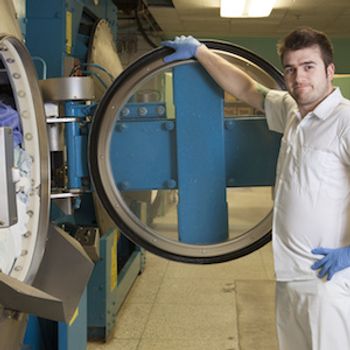
The study found that some C difficile spores can survive the commercial laundry process and may contribute to C difficile outbreaks.

Investigators examined the latest clinical guideline updates for C difficile testing.

Misleading information and unclear information can skew patients’ expectations of experimental treatments.

Children with autism spectrum disorder abnormal EEG results were more similar to children with epilepsy than to children with normal EEG results.

Most of the patients in the study were taking concomitant antidepressants and/or antipsychotics, and mood disorders remained stable during treatment with valbenazine.

Models show that for every gram of hemoglobin increased per deciliter, the risks associated with hemolytic anemia decrease.

Patients’ daily bleed diaries helped investigators understand why some bleeds are treated, and some are not, as well as their causes.

The findings supported the FDA approval of lanadelumab for hereditary angioedema treatment earlier this year.
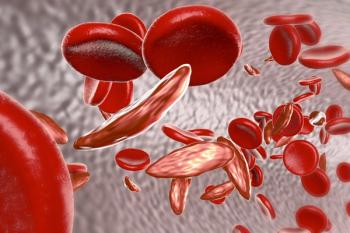
The therapy attempts to restore fetal hemoglobin production.

Mayo Clinic investigators found young patients with myeloproliferative neoplasms who are under age 40 are a steadily growing population and seem to have longer survival than their older counterparts.

Investigators indicated areas of potential improvement for the treatment of new or recurrent C difficile infection.

Research into epilepsy and HRV has been ongoing for more than 30 years, so why hasn’t it been integrated into clinical practice?

Patients with tardive syndromes treated with transcranial magnetic stimulation had greater improvement in AIMS scores compared to the sham group.

Ezogabine was not marked as an antidepressant but seemed to be an effective treatment in a small study.

Older age among children and the use of proton pump inhibitors are linked to severe C difficile infection in pediatric patients, according to new findings.

Research with more diverse patient populations is needed to confirm this new discovery.
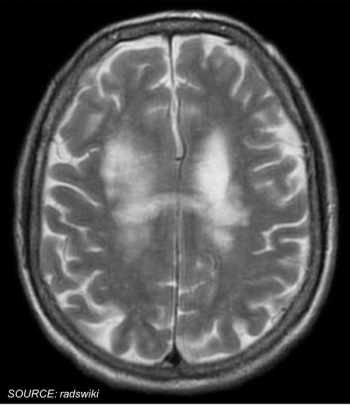
The investigators hope to gain FDA approval on the treatment so they can treat more patients.

How many days between hospital admission and surgery could play a significant role, investigators noted.
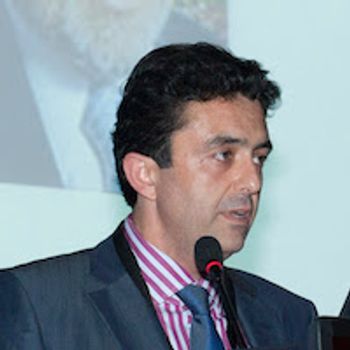
Tardive dyskinesia due to lithium treatment is still rare, but the antipsyhotic therapy substitute was linked to at least 1 particular patient case.

Seizures were well controlled for up to 6 years in some patients with epilepsy receiving perampanel for partial onset seizures.