

The new test should replace the water deprivation test as the new standard of care, investigators say.
The new test should replace the water deprivation test as the new standard of care, investigators say.

The results of a new meta-analysis revealed metronidazole was among the worst choices for treating the infection.

One-third of patients with cirrhosis who were also infected with Clostridium difficile were readmitted within 30 days, usually because of recurrent C difficile infection, according to a new nationwide study of hospitalized patients.

Investigators from the University of Adelaide, in Australia, have found that corrected and healthy airway stem cells can replace the ones that cause cystic fibrosis and combat the genetic disorder.

The FDA approved the 2 VMAT-2 drugs for the treatment of tardive dyskinesia in 2017.

Investigators from Cincinnati Children’s find that statins can effectively treat pulmonary alveolar proteinosis, a rare autoimmune disease.

These mistakes can be as simple as a worker touching their face before removing contaminated gloves.

The new test compares favorably with other well-established, reference molecular methods and can be performed as an on-demand test by all laboratory shifts with final test results available within 20 minutes.

The symptoms of tardive dyskinesia and drug-induced parkinsonism can be remarkably similar, but an accurate diagnosis is critical when treatment for one condition may worsen the other.

Investigators find that once-daily oral administration of BCX7353 at a dose of 125 mg or more resulted in a significantly lower rate of attacks of hereditary angioedema compared with placebo.
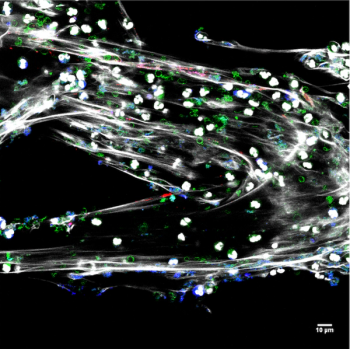
Investigators from Milan, Italy, have identified an important molecule involved in the onset of systemic scleroderma.

Researchers from the University Hospital Zurich in Switzerland find that food seems to be a relevant trigger factor for abdominal angioedema attacks in patients with HAE.
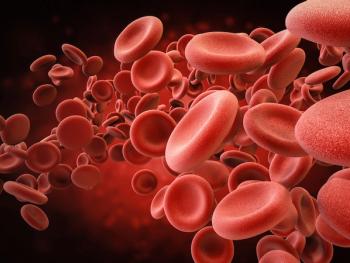
PAL-003 phase 2 extension study of long-term pegvaliase treatment in patients with phenylketonuria demonstrates substantial efficacy in maintaining reduced blood Phe concentration.

New research highlights the potential of fetal gene therapy to prevent and cure neonatal lethal neurodegenerative diseases in humans in utero.
Researchers found that enhanced disinfection with UV light in targeted rooms led to a decrease in hospital-wide incidence of C. difficile and vancomycin-resistant enterococci.

New findings suggest that a specific hemoglobin production protein could be a target for therapy in sickle cell disease or beta-thalassemia.

Perhaps surprisingly, patients admitted during periods of higher occupancy had 15% lower odds of contracting Clostridium difficile infection.

Researchers compared the cost-effectiveness of vancomycin, fidaxomicin, and bezlotoxumab with vancomycin as treatments for treating the first recurrence of Clostridium difficile infection.

More treatments are needed for ALS, beyond the available riluzole and edaravone.

Three-quarters of patients who discontinue antipsychotic treatment experience relapse within 12-18 months. However, there are no current clinical guidelines describing treatment continuation or discontinuation beyond 1-2 years.

Researchers measured the VMAT2 inhibitors for clinical effectiveness, cost-effectiveness, and budget impact of these medications.

Researchers found that patients with a documented penicillin allergy were at increased risk of developing MRSA (60%) and C. difficile (20%), in part due to alternative antibiotic use. However, when tested by an allergist, 95% were not actually allergic to penicillin.

Researchers find that JAK inhibitors used to treat myelofibrosis may actually lead to the development of aggressive lymphomas.

New findings suggest that riluzole prolongs survival in the final clinical stage of amyotrophic lateral sclerosis (ALS).

Many antimicrobials prescribed after Clostridium difficile infection are prescribed inappropriately.

New evidence suggests that Rasmussen’s encephalitis is an autoimmune disease.

The timing of administrating the drug didn’t seem to matter in terms of efficacy.

AIMS scores can vary based on the clinician and therefore action plans may differ.

The risks of vitamin E treatment seemed to outweigh the benefits in this particular case.

One-fifth of patients with TD recently surveyed reported they had no clinical support.