

Patients may have been told they would ‘grow out of’ PKU, and consequently go off-diet, with consequences such as cognitive deficit.
Patients may have been told they would ‘grow out of’ PKU, and consequently go off-diet, with consequences such as cognitive deficit.

A study of deep brain stimulation in patients with tardive dyskinesia and dystonia reports promising results.

For patients with inflammatory bowel disease (IBD) and C difficile, immunosuppressive therapy escalation for IBD, after treatment for the infection, was not associated with adverse outcomes.

Treatment with crizanlizumab reduced pain in patients with sickle cell disease who were experiencing vaso-occlusive crisis.
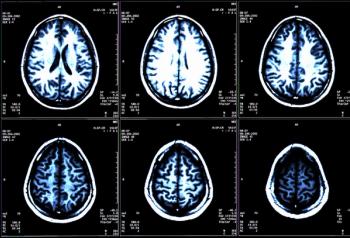
The use of marijuana for patients with multiple sclerosis can have a limited effect on symptoms such as spasticity, pain, and bladder dysfunction.
The chip was developed using cells from patients with and without ALS.

Other risk factors included the age of conception, with women younger than 18 or older than 37 being at greatest risk.
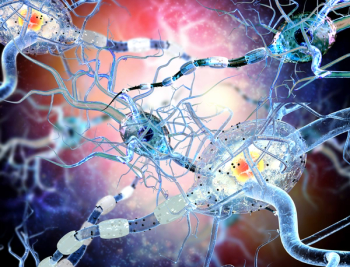
The brain’s lymphatic vessels may offer a new way to treat multiple sclerosis.

Treating the blood clotting disorder thrombotic thrombocytopenic purpura might be possible through the use of a therapeutic enzyme.

Men with Fabry disease develop white matter lesions much quicker than their female counterparts.

Interferon‐α2 and ruxolitinib combination therapy shows promise in treating myeloproliferative neoplasms, according to recent preliminary findings.

From August 2014 to September 2018, a total of 386 confirmed cases of acute flaccid myelitis across the United States has been confirmed by the CDC.

These non-critical items are often used on multiple patients, and a lack of knowledge about proper cleaning and disinfection could contribute to the spread of C difficile.

Investigators used EHR data to identify epilepsy patients at risk for obstructive sleep apnea and refer them for polysomnography.

Antibiotic use is believed to be a C difficile infection risk factor for inflammatory bowel disease patients.

Patients receiving valbenazine for tardive dyskinesia reported high levels of satisfaction, even after up to 2 years of treatment.
Long-term treatment with valbenazine improved tardive dyskinesia symptoms over 48 weeks.

Antipsychotic dose reductions can increase mental illness and all-cause hospitalizations, but the effects on tardive dyskinesia were unclear.

Being hospitalized a second time for recurrent cases of C difficile created worse outcomes for patients and increased hospital costs.

Outcomes can worsen for pregnant women with epilepsy when antiepileptic drug concentrations fall below 65% of preconception amounts.

New study serves as a reminder of how little is known about the clinical and biological manifestations of this form of Huntington's disease.

Results from the interim analysis of the ENVISION phase 3 trial shows that givosiran treatment was associated with a statistically significant reduction in urinarly ALA levels in patients with acute intermittent porphyria.

Patients who acquired C difficile infection while in the hospital were more than twice as likely to be discharged somewhere other than home, such as to a nursing home or long-term care facility.

Electronic medical records alerts about patients at risk for C difficile infection seemed to increase the incidence, but investigators pointed toward improved detection as the culprit.

Placing patients with community-acquired C difficile infection in single-occupancy hospital rooms may not be necessary to prevent the spread of C difficile, suggests a recent study.
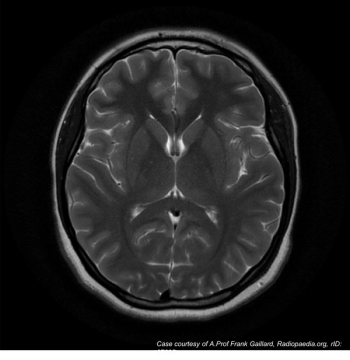
Study findings may facilitate new studies on the neural markers of tardive dyskinesia.

Data presented at the2018 World Congress on Parkinson's Disease and Related Disorders indicate that valbenazine is a promising treatment for tardive dyskinesia, while opicapone may be a new effective treatment for Parkinson disease.

A whitepaper presents practical, expert opinion-based recommendations for preventing and testing for C difficile infection in the NICU.

In order to successfully treat Rett syndrome, studies need to focus on a holistic approach encompassing each of the associated emotional, behavioral, and autonomic dysregulation symptoms.

Early trials have shown promising results for hemophilia therapies and now could be the most promising time for a lasting treatment and possible cure.