

The study’s findings bring major lessons for dermatologists to light, the most apparent of which being that many reasons for discordance between clinicians and patients may be modified.
Tim Smith joined the MJH Life Sciences team in 2022 and is currently an associate editor for HCPLive. He is also the executive producer of two podcasts: Skin of Color Savvy and The Medical Sisterhood. Previously, he was the producer of the Lungcast podcast. He graduated from UC Berkeley and worked in multimedia journalism as a staff writer prior to joining MJH. You can contact him at [email protected].
The study’s findings bring major lessons for dermatologists to light, the most apparent of which being that many reasons for discordance between clinicians and patients may be modified.

These new findings may lead to a more accessible and rigorous approach to diagnosis, with a possibility of reduction of over-diagnosis.

This segment of her interview with HCPLive featured a discussion with Ferris on the FRONTIER 1 phase 2b trial results and their implications for psoriasis patients.
New phase 2b data from the FRONTIER 1 study showed promise for what could become the first and only oral IL-23 antagonist peptide for psoriasis.

While the unmet needs of patients of color is a growing concern in the dermatology world, more has to be done to address the obvious disparities in care.

This new data indicated the strong safety profile and efficacy of CAL/BDP-cream using PAD technology for psoriasis patients, and could lead to better adherence and outcomes in real-world settings.

New data indicates associations between conditions for pregnant mothers and offspring, though a connection to offspring food allergy was not evident in this research.

This systematic review and meta-analysis demonstrated the potential effectiveness of JAK inhibitors for alopecia, though further trials are needed for long-term use.

New data indicated the development of allergy was not affected by mothers’ consumption of eggs in the very early neonatal period, expanding the body of research exploring food sensitization.
This new research highlighted the value of engaging Mohs surgery patients in shared decision-making to find the best pain control plan for their needs.

This new data demonstrated that hearing loss led to worse outcomes for older individuals, and fatigue assessments may be needed in the future to further capture fatigue’s multidimensionality.
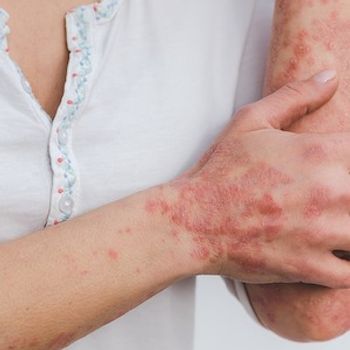
In these preliminary results from the ongoing POSITIVE study, tildrakizumab was shown to have led to significant improvement for psoriasis patients.

Both biologic-naïve and biologic-experience patients saw benefits in the BRIGHT study examining therapeutic response to brodalumab over the course of 1 year.
New data on oral immunotherapy to food allergens shows promise for the treatment, though more information with standard interventions and regimens is needed to gain certainty on the efficacy and safety.
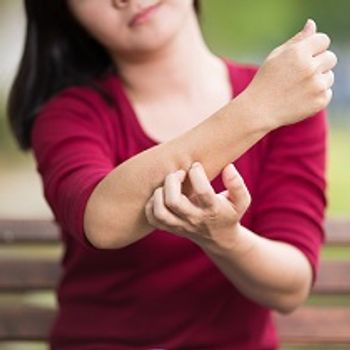
New late-breaking phase 3 data showed success with nemolizumab, an investigational drug designed for targeting IL-31 signaling and aimed at the underlying causes of the condition.
New clinical trial data shows benefits of spesolimab for GPP flares, providing compelling evidence for IL-36 signaling’s effect on the condition’s pathogenesis.

New data indicates that hospital culture must be considered when facilities make significant changes, especially when they concern institutional values.

New phase 2 data indicates safety and efficacy of dersimelagon, suggesting potential development as an oral treatment for erythropoietic protoporphyria and X-linked protoporphyria.
This new data into alopecia areata patients’ associated conditions may require future research into potential causal relationships with such comorbidities.

New research on patients with pemphigus highlighted the heavy mental burden on those with these conditions and the importance of screening for anxiety, depression, and quality of life.

New research into menopausal hormone therapy shows that even short term use can have downstream consequences for neurological health.

New research into the information needs of adults over 65 and their patient portal interactions points to the value of consumer-oriented health information technologies.

New data drawn from the EUSTAR database made clear several key insights into this subset of systemic sclerosis patients, with survival and skin manifestations being highlighted.

In this Q&A interview with physician assistant Renata Block, Block spoke on some of her thoughts about the recent SDPA conference and its presentations.
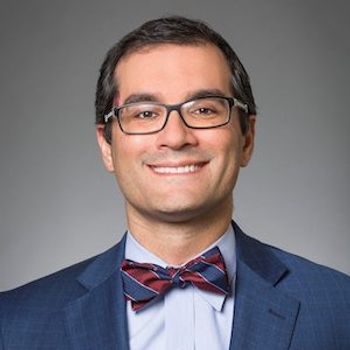
This interview featured a discussion with Dr. Mostaghimi, during which he described some of the latest treatments for alopecia, new policies and efforts for patients, and general conference takeaways.

In this interview, physician assistant Hope Cook described some of the major talking points from her conference talk titled ‘Healing PA Burnout.’
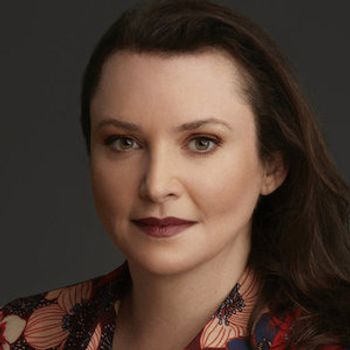
In this discussion with HCPLive, Dr. Markowitz spoke about some of the biggest takeaways from her conference presentation on skin cancer treatments.

In this interview, Dr. Noor spoke about the contents of his conference presentation regarding the tailoring of treatment plans to patients with skin of color.
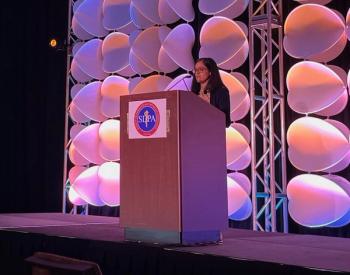
In her presentation ‘Treatment of Eczema in Pediatric Patients Under 12 Years,’ Dr. Garza-Mayers spoke on considerations for atopic dermatitis management.
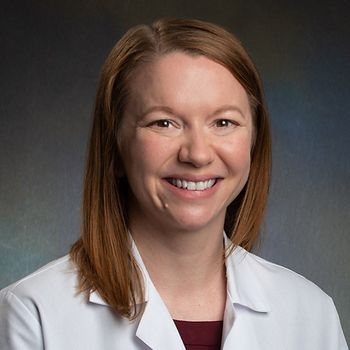
Describing the biggest takeaways from her talk ‘Diagnosis and Management of Blistering Disorders,’ Dr. Noe went in depth about treatment of blistering in patients.