
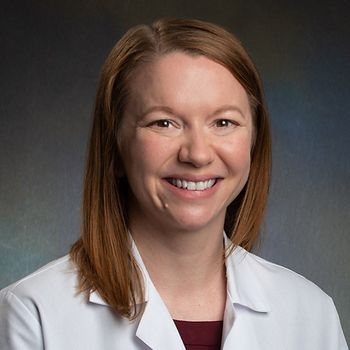
This interview with Dr. Noe at the SDPA conference featured a discussion about her background and her presentation titled ‘Diagnosis and Management of Blistering Disorders.'
Tim Smith joined the MJH Life Sciences team in 2022 and is currently an associate editor for HCPLive. He is also the executive producer of two podcasts: Skin of Color Savvy and The Medical Sisterhood. Previously, he was the producer of the Lungcast podcast. He graduated from UC Berkeley and worked in multimedia journalism as a staff writer prior to joining MJH. You can contact him at [email protected].
This interview with Dr. Noe at the SDPA conference featured a discussion about her background and her presentation titled ‘Diagnosis and Management of Blistering Disorders.'

In another interview segment, Dr. Amin described some of the other biggest points from his conference talk on choosing the best route for psoriasis in patients.
In this interview segment, Dr. Amin described some of the major takeaways from his conference talk titled ‘Biological Bootcamp: How to Select the Best Biologics for Your Psoriasis Patient.’
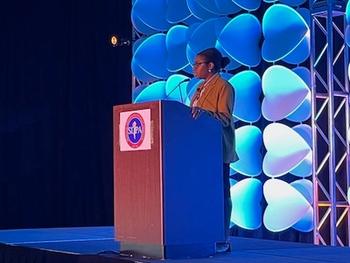
In a conference presentation, Dr. Imadojemu discussed the topic of afro-textured hair and various hair and scalp disorders.

In research presented at the 2023 SDPA summer conference, new pharmacovigilance data over a 4-year span aligned with the established safety profile on brodalumab.
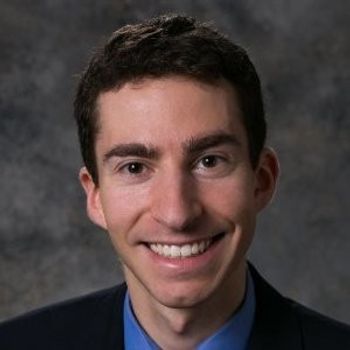
In this interview segment, Dr. Barbieri explained the major takeaways from his conference talk on acne and rosacea with a focus on the more severe levels of these conditions.
In this conference interview, Dr. Barbieri described some of the major takeaways from his talk on foundational tools for patients with acne and rosacea.
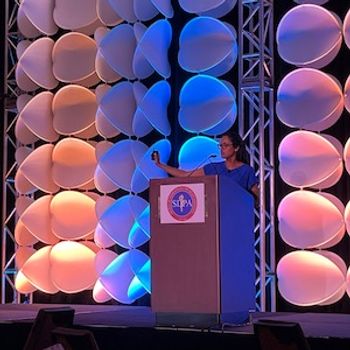
During this conference talk, Dr. Nicole Gunasekera spoke about options for acne scar treatments such as chemical peels and microneedling, as well as special considerations for richly-pigmented skin.
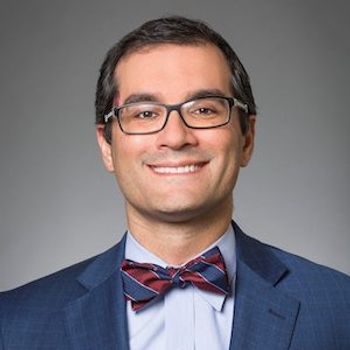
In his conference presentation, Dr. Arash Mostaghimi reviewed the ways to ensure access to the right information from a biopsy as well as how to interpret potentially confusing biopsy results.

These new findings suggest the need for expansion of JAK1/JAK2 targeting approaches for treatment of eosinophilic cellulitis and other types of eosinophilic disease.

This new data emphasizes the vital importance of timely detection and effective treatment for squamous cell carcinomas in this particular population.

New data led to positive results for the simple-to-use PEN-FAST tool, allowing its use among allergists and even primary care physicians in cases in which access to allergists is limited.

This new tool, using an automated analysis of different parts of the body, could help clinicians to address previously unmet needs for treatment in conditions such as psoriasis.

These new guidelines were developed to benefit younger patients with inflammatory skin diseases, and may be helpful given the inexpensive nature and general availability of the drug.

This data indicates that public health officials may need to implement measures to both help prevent and detect domestic violence in order to reduce the associated effects.

Future studies of socioeconomic factors and environmental elements contributing may help to further explain the causes of food allergies and inform targeted interventions and management.

This research was conducted to examine the end-of-life trajectories of older adults and investigate distribution over gender, age, and causes of mortality.

This new research may help clinicians in their guidance of patients with T21, though the data may require future studies to help examine immune parameters of the clinical outcomes.

This cross-sectional study showed an association, although lower absolute prevalence of Crohn’s disease for pediatric HS patients is reassuring for clinicians and patients alike.
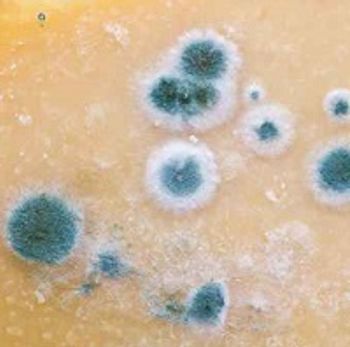
Climate and vegetation changes in China may have led to increases in sensitivity to weed pollens and molds over the past 5 years, though the number one aeroallergen remains to be house dust mites.

In this Q&A interview, Dr. Glick delved into the topics covered in his conference presentation on treating adults with plaque psoriasis and psoriatic arthritis.
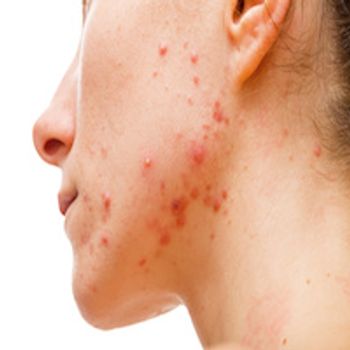
This data indicates that to prevent aggravation of acne and the eventual scar formation, it may be necessary to treat acne from an early stage.

In this Q&A interview, Del Rosso discussed his presentation on eczema therapies, the updates he made to his conference presentations this year, as well as his outlook on future research.
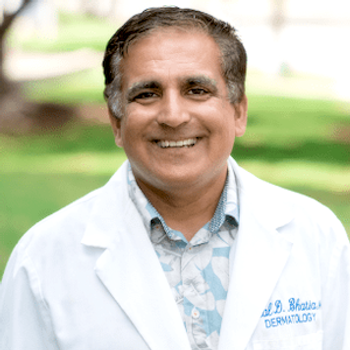
This interview with Dr. Bhatia featured a discussion about his views on newer therapies for dermatologic conditions as well as his outlook on the current research landscape.

In this segment of her interview, Hebert went further in depth about the main points covered in her conference talk regarding new developments in pediatric dermatology.
This interview featured a discussion with Dr. Hebert in which she addressed the biggest takeaways of her conference presentation titled ‘What’s New in Pediatric Dermatology.’

This interview segment featured Dr. Alexis describing his views on the ways in which the dermatology field may be able to better address disparities in care for those with skin of color.
In this interview, Dr. Alexis spoke about the ways in which the dermatology field should address the needs of patients with skin of color.
In this segment, Dr. Del Rosso discussed a conference presentation he gave titled ‘What You Really Need to Know About Rosacea.’
In this interview, Dr. Bhatia described the main takeaways from his conference presentation titled ‘JAKs and TYKs - What you Need to Know.’