

New data indicates that there are significant bidirectional associations between migraines and psoriasis, with investigators recommending patients with either condition be informed about the connection.
Tim Smith joined the MJH Life Sciences team in 2022 and is currently an associate editor for HCPLive. He is also the executive producer of two podcasts: Skin of Color Savvy and The Medical Sisterhood. Previously, he was the producer of the Lungcast podcast. He graduated from UC Berkeley and worked in multimedia journalism as a staff writer prior to joining MJH. You can contact him at [email protected].
New data indicates that there are significant bidirectional associations between migraines and psoriasis, with investigators recommending patients with either condition be informed about the connection.

It was announced by Arcutis Biotherapeutics that the US Food and Drug Administration had accepted for review their NDA for roflumilast foam 0.3%.

New study data re-evaluating current guidelines for T1a melanoma excisions indicate that 5-mm margins may be adequate in order to maintain lower risk levels for melanoma recurrence.

In this interview segment, Fleischer further described some of the key points about the peanut immunotherapy patch, DBV712, and the product’s phase 3 VITESSE trial.
In his interview, Fleischer discussed the beginning of a new phase 3 trial for a peanut immunotherapy patch known as DBV712.

New research into allergic disease examined changes over time as well as the characterization of remission versus continued disease.

In another interview segment, a discussion was held with medical student Brenda Abreu Molnar about her experiences with epidermolysis bullosa patients and the SPD’s 2022 Medical Student Mentorship Award.
In this interview, medical student Brenda Abreu Molnar discussed the SPD’s 2022 Medical Student Mentorship Award and her experiences leading up to it.

New data indicates that there is a strong benefit-risk profile for upadacitinib for younger atopic dermatitis patients, with prior data predominantly relating to adult treatment.

Research was conducted on the paradoxical effect of TNF inhibitor–induced psoriasiform eruption in children and adolescents treated with inhibitors for conditions other than psoriasis.

These findings indicate that managing obesity may be helpful in lessening the severity of atopic dermatitis for patients with both conditions.

New data suggests that patients with psoriasis may see positive outcomes after switching from secukinumab 150 mg to risankizumab 75 mg if secukinumab responses are inadequate.

In both the UK and Ireland, a new study found that there were increases in use of biosimilars to adalimumab and other tumor necrosis factor inhibitors for moderate-to-severe psoriasis.

New results of a retrospective cohort study showed an important trend with regard to COVID-19 cases and skilled nursing facilities practicing surveillance testing.

New data expands upon the growing perception that allergenic food introduction early in a child’s life may lessen the possibility of allergy developments.

New data from a study in China suggests that practicing tai chi may benefit cognitive function in adults dealing with diabetes as well as cognitive impairment issues.

A novel allergen and immunotherapy adherence and persistence checklist was developed to allow for more insight into adherence and to open this information to prescribing clinicians.

The FDA’s move to withdraw hydroxyprogesterone caproate injection (Makena) was a joint decision by both the FDA’s Commissioner and its Chief Scientist.

New research on a patient with recalcitrant eosinophilic annular erythema who had been successfully treated with benralizumab suggests a therapeutic possibility for EAE patients.

New data shows that there are several major reasons for the perceptions of patients with hidradenitis suppurativa viewing their own access to healthcare as problematic.

A new study in China showed that a combination of mask and serum containing both salicylic acid and lipohydroxy acid showed improvement in acne.
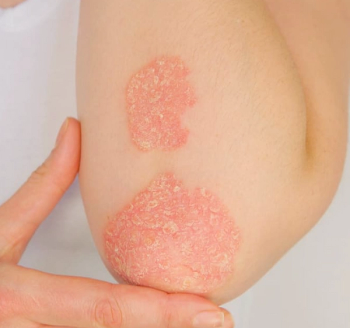
New data from a study in Egypt suggests that several key factors contribute to some of the negative impacts of psoriasis on mothers of children with the skin condition.

This new data investigated the impacts of social, cultural, and community engagement by adults 50 and older on health care utilization.

A set of highlights from some of the impactful breakthroughs covered in dermatology this past month, including phase 3 trial data bimekizumab, tapinarof, and other treatments.

New data suggest that older dementia patients who also have dementia are recommended to take apixaban, an oral anticoagulant.

New research showed that vitamin D supplements were ineffective in diminishing severity of psoriasis, although questions still remain about the findings.

Patients with dystrophic epidermolysis bullosa face near-constant pain and discomfort. While there are several measures clinicians have to help them, a curative treatment remains elusive.

In another segment of her interview, Armstrong explained the implications of her team’s findings for the newly-developed TYK2 inhibitor for plaque psoriasis, as well as its safety profile data.
New data discussed by Armstrong in this interview shows promising results for the once-per-day TYK2 inhibitor treatment known as TAK-279 for plaque psoriasis.

During his latest interview, Lal further explored the topic of recessive dystrophic epidermolysis bullosa and his experiences helping patients with the rare condition.