

This research letter highlighted the results of an allergy work-up and of vaccinations for COVID-19 in patients with a suspicion of mRNA vaccine hypersensitivity.
Tim Smith joined the MJH Life Sciences team in 2022 and is currently an associate editor for HCPLive. He is also the executive producer of two podcasts: Skin of Color Savvy and The Medical Sisterhood. Previously, he was the producer of the Lungcast podcast. He graduated from UC Berkeley and worked in multimedia journalism as a staff writer prior to joining MJH. You can contact him at [email protected].
This research letter highlighted the results of an allergy work-up and of vaccinations for COVID-19 in patients with a suspicion of mRNA vaccine hypersensitivity.

A recent analysis showed that a combination treatment made of phosphate, adapalene, and benzoyl peroxide known as IDP-126 was well-tolerated and effective in pediatric participants with acne.

New data on peanut allergy and Pediatric Quality of Life Inventory scores sheds light on the burden of allergy on adolescents.
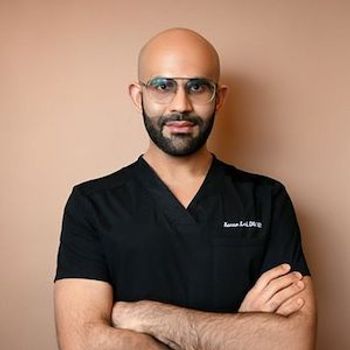
In his recent interview, Lal described the condition of dystrophic epidermolysis bullosa in detail, going into the different forms it can take as well as his experiences treating the condition.

A research letter highlighted recent findings that iREACH educational intervention training may be helpful in preventing peanut allergies.

New research on Medicare beneficiary data suggests that older adults who face food insecurity concerns may be at greater risk of more rapid declines in cognitive health.

New data on topical lovastatin cream 2% demonstrated similar efficacy results to the combination of lovastatin and cholesterol in treating the skin disorder DSAP.

New data highlighted racial and ethnic differences between patients with Merkel cell carcinoma, indicating that rates for survival were roughly similar but other distinctions remained.
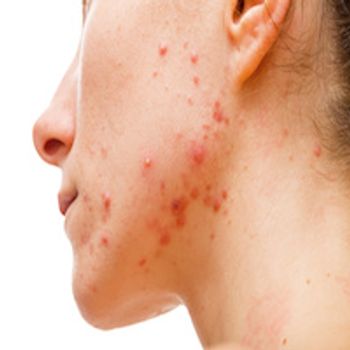
New data from a systematic literature review highlighted the connection with tumor necrosis factor-α inhibitors and acne, indicating the need for further study.

Siperstein highlighted some more major takeaways from her conference presentation, including facts about how to determine which patients are good candidates for microneedling.
In this interview, Siperstein explained some of the biggest takeaways from her conference presentation on advances in microneedling techniques, including radiofrequency specifically.

Speaking about one of his conference presentations, Chovatiya highlights the biggest takeaways regarding JAK inhibitors for alopecia areata, vitiligo, eczema, psoriasis, and more.

In another interview segment, Cohen described several other major takeaways from his conference presentation on psoriasis, comorbidities, and therapies.
In a conference interview, Cohen delved into the major takeaways covered in his presentation on the latest information related to psoriasis and its therapy.
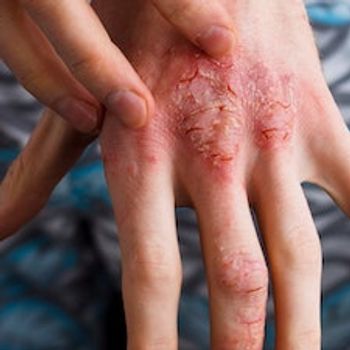
In recently-presented data, ivarmacitinib was found to have decreased severity of moderate-to-severe eczema compared to placebo.
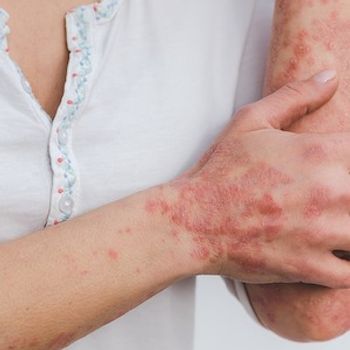
New late-breaking data showed that oral roflumilast treatment was both safe and efficacious against psoriasis, making it a potentially less expensive and convenient treatment alternative.
New late-breaking data supported prior results indicating that all primary and secondary endpoints were reached for the IL-4Rα antibody known as CBP-201 for atopic dermatitis patients.

New late-breaking data showed positive results for bimekizumab treatment of hidradenitis suppurativa, with higher response rates and a strong safety profile.

In research drawn from his conference presentation, Lim discussed the unique photoprotection needs of skin of color as well as some of the challenges faced by patients in this population.

Kwatra spoke about his team’s research into nemolizumab for prurigo nodularis in the OLYMPIA 2 trial, including the data and its implications for the future.

New data indicates that an oral TYK2 inhibitor known as NDI-034858 showed strong results for psoriasis patients in a recent phase 2b trial.

New data has indicated that patients with psoriasis who were not responding to ixekizumab or secukinumab responded well to risankizumab, an interleukin-23 inhibitor.
Late-breaking data on roflumilast cream for eczema patients in two phase 3 trials titled INTEGUMENT-1 and INTEGUMENT-2 showed strong results for the drug.
In a new interview, Eichenfield discussed the background of his presentation on late-breaking data from the INTEGUMENT-1 and INTEGUMENT-2 trials on roflumilast for atopic dermatitis.
Late-breaking phase 3 data on nemolizumab monotherapy indicates substantial improvement in key primary and secondary endpoints for prurigo nodularis patients.

Late-breaking data showed strong results for ruxolitinib cream as a treatment for vitiligo in the long-term extension of the TRuE-V1 and TRuE-V2 studies.

New late-breaking data showed positive results from the phase 2 trial on a novel septa-specific monoclonal antibody for HS patients.

Dupilumab showed strong results for uncontrolled moderate-to-severe hand and foot atopic dermatitis, meeting its primary and secondary endpoints in the trial.
In this interview segment, Kwatra describes his upcoming conference presentation on prurigo nodularis and some of the biggest takeaways from his presentation.
An interview segment with Lim in which he describes some key takeaways from his conference presentation on sunscreen, photoprotection, and phototherapy.