
An interview segment with Alexa Kimball, MD, MPH, in which she describes further updates on 52 week trial data in the SUNRISE and SUNSHINE trials for HS.
Tim Smith joined the MJH Life Sciences team in 2022 and is currently an associate editor for HCPLive. He is also the executive producer of two podcasts: Skin of Color Savvy and The Medical Sisterhood. Previously, he was the producer of the Lungcast podcast. He graduated from UC Berkeley and worked in multimedia journalism as a staff writer prior to joining MJH. You can contact him at [email protected].
An interview segment with Alexa Kimball, MD, MPH, in which she describes further updates on 52 week trial data in the SUNRISE and SUNSHINE trials for HS.
A recent interview with Alexa Kimball, MD, MPH, regarding recent data from the SUNRISE and SUNSHINE studies on secukinumab for HS patients.

In recent phase 2 trial data, a monoclonal antibody called vixarelimab showed strong results for prurigo nodularis treatment.

Research was conducted into the development of a tool for assessing morphea disease severity in pediatric patients.
New research into patient-focused deprescribing strategies for those dealing with the effects of polypharmacy in hospital and post-acute care facilities.

New research was conducted regarding air pollution and other elements affecting asthma cases in urbanized settings.
New research into the use of ustekinumab compared to other treatments for psoriasis sheds light on risk for outpatient infections.

New research into the nursing home CMS rating system suggests that a revision may improve the public’s information access.

New research was found on alcohol consumption as a modifiable risk factor in dementia, in a study out of South Korea.

An interview with Victoria Barrio, MD, and Fabiana Castro Porto Silva Lopes, MD, about the Society for Pediatric Dermatology and its efforts to address diversity in the dermatology field.

A recent study highlighted new information on racial disparities in health care for Black and Hispanic pediatric patients with atopic dermatitis.

New research into egg, peanut allergies and sensitization raised questions about allergy incidence rates and early exposure.

A list of the top stories covered this week in the dermatology field, with data on breakthroughs, new research, and advanced treatment options.
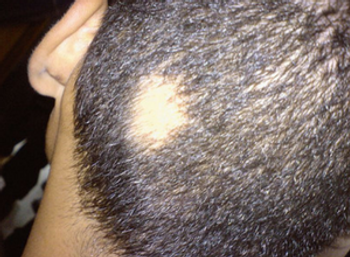
In recent research into alopecia areata treatments, selective JAK1 inhibition was tested as a means for restoring hair growth.

New research demonstrated that 5-fluorouracil and microneedling in conjunction showed stronger results for the 19 participants than tacrolimus monotherapy as a treatment for vitiligo.

This week, the FDA announced that 27 lots of levothyroxine sodium oral solution, used for hypothyroidism, were being recalled due to potentially being subpotent.

In a population-based cohort study in China, researchers found that a healthy lifestyle contributed to slower declines in memory for older adults.
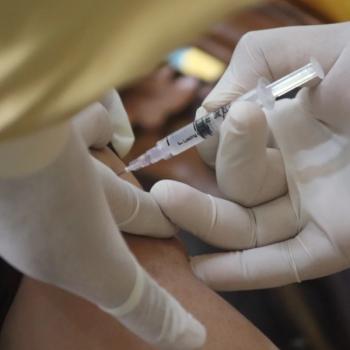
A recent research letter identified a correlation between mRNA vaccines for COVID-19 and cases of chronic spontaneous urticaria, although the connection requires further study.

In a recent analysis of 6 trials examining the use of dupilumab, the drug was found to be useful alongside concomitant TCS for patients with erythrodermic atopic dermatitis.

New research into risk factors for pediatric liver transplant patients indicated that atopy and allergy may follow a transplant and are more common among females and younger patients.
The FDA announced that Banana Boat Hair & Scalp Sunscreen was being recalled voluntarily by its company due to risk of benzene exposure to consumers.
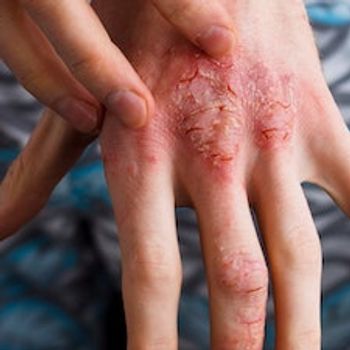
New research into atopic dermatitis treatment indicated that topical JAK inhibitors were safe and effective, although more research is needed regarding adverse effects.

In new research, an association between food allergies and atopic dermatitis was highlighted, suggesting the need for further research.
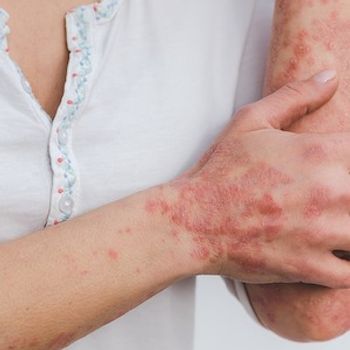
New research, comparable with that of the NAVIGATE trial, was conducted and showed strong results for the use of guselkumab for psoriasis patients.
In this recent study, mental health conditions associated with alopecia areata were assessed by the study’s investigators.
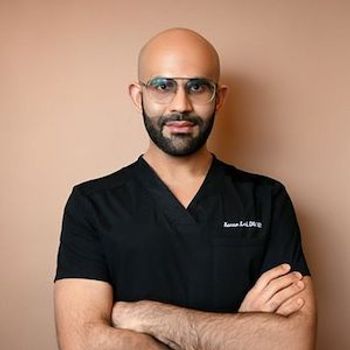
The latest HCPLive interview segment with Karan Lal, DO, discussing his views on what can go wrong during cosmetic procedures.
A new interview segment with Karan Lal, DO, in which he explores the benefits and drawbacks of dermatology offices versus medical spas.

The house dust mite allergen extract was approved by the FDA for treating adolescents with immunotherapy.

Recent findings indicated that patients with new-onset psoriasis may see positive results from switching to secukinumab treatment.

New research connected dupilumab levels to OSD in atopic dermatitis patients, indicating a contribution to the development of the condition.